12-gauge or 14-gauge high-tensile steel wire is the preferred choice for bear-deterrent fences primarily because of its superior tensile strength and resistance to physical deformation. Unlike standard soft wire, this material is engineered to maintain high tension over long periods without permanently stretching, ensuring the fence remains physically tight and electrically conductive.
Core Takeaway The effectiveness of a bear fence relies entirely on maintaining a consistent barrier without gaps. High-tensile steel is essential because it resists the stretching and sagging that would otherwise allow a bear to crawl under or push through the perimeter.
The Physics of Reliability
Resistance to Stretching
The primary advantage of high-tensile steel is its elasticity within limits. When subjected to physical pressure or temperature changes, standard wire tends to stretch and stay elongated.
Preventing Permanent Deformation
High-tensile wire, specifically in the 12 to 14-gauge range, resists this permanent deformation. It can withstand significant stress and return to its original state, ensuring the structural integrity of the fence remains intact.
Maintaining Pre-Set Tension
For an electric fence to function, the wires must remain taut. This specific gauge of high-tensile wire holds its pre-set tension significantly longer than softer alternatives. This reduces the frequency of maintenance required to re-tighten the lines.
How Structural Integrity Deters Bears
Eliminating the "Sag" Factor
The most common point of failure in a wildlife fence is wire sag. If a wire becomes loose, it creates a vertical gap.
Stopping the "Crawl Under" Maneuver
Bears are inquisitive and will test a fence line for weaknesses. High-tensile wire prevents the bottom wires from sagging, effectively stopping bears from crawling underneath the barrier.
Resisting Physical Push-Through
Bears are powerful animals that may attempt to push through a fence before they respect the electric shock. Because this wire maintains high tension, it provides immediate physical resistance, ensuring the animal receives the deterrent shock before it can breach the perimeter.
Understanding the Trade-offs
Installation Complexity
While superior in performance, high-tensile wire is stiffer and more difficult to manipulate than soft wire. It often requires special tools for cutting and splicing, such as crimping sleeves, rather than simple hand-twisting.
Tension Requirements
Because this wire is designed to be strung under high tension, it places a significant load on your corner posts and braces. If your structural posts are not anchored correctly, the strength of the wire can pull them out of the ground.
Making the Right Choice for Your Goal
When selecting materials for your bear deterrent system, consider your installation capabilities and long-term goals.
- If your primary focus is long-term security: Prioritize 12.5-gauge high-tensile wire to minimize maintenance and eliminate dangerous wire sag.
- If your primary focus is ease of installation: Be aware that choosing softer, easier-to-handle wire will likely result in stretching and reduced security, requiring frequent re-tightening to keep bears out.
Use high-tensile wire to ensure that your fence remains a psychological and physical barrier, rather than a loose obstacle a bear can bypass.
Summary Table:
| Feature | High-Tensile Steel (12-14 Gauge) | Standard Soft Wire |
|---|---|---|
| Tensile Strength | High (Resists stretching/sagging) | Low (Prone to permanent deformation) |
| Tension Retention | Maintains pre-set tension long-term | Requires frequent re-tightening |
| Physical Barrier | Provides immediate resistance | Easily pushed through when sagging |
| Maintenance | Low frequency | High frequency |
| Installation | Requires specialized tools | Easy to manipulate by hand |
Secure Your Apiary with HONESTBEE Quality
Protecting your livelihood from wildlife requires professional-grade equipment that doesn't fail under pressure. At HONESTBEE, we specialize in supporting commercial apiaries and distributors with a full spectrum of beekeeping tools, machinery, and essential consumables.
Whether you need robust fencing materials to stop bear incursions or advanced honey-filling machines to scale your production, our portfolio is designed for industrial durability.
Maximize your apiary’s security and efficiency today. Contact our wholesale experts to discuss how our comprehensive equipment range can serve your business needs.
References
- Kimberly K. Post, Cameron Jack. Building Bear Fences for Your Apiary. DOI: 10.32473/edis-in1318-2021
This article is also based on technical information from HonestBee Knowledge Base .
Related Products
- Stainless Steel Bee Hive Frame Wire for Beekeeping
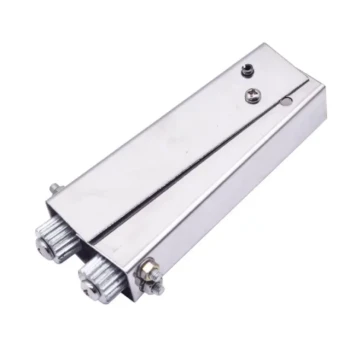
- HONESTBEE Heavy Duty All Metal Frame Wire Crimper Tool
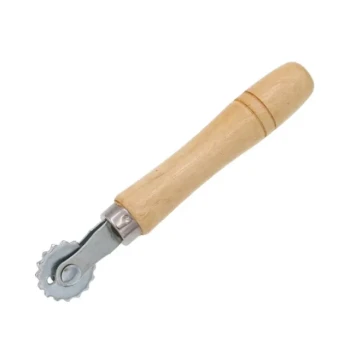
- Honestbee Wooden Handle Steel Spur Wheel Wire Embedder
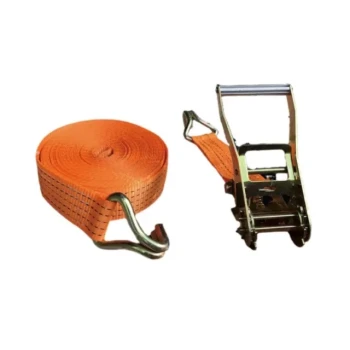
- Heavy Duty Ratchet Hive Strap
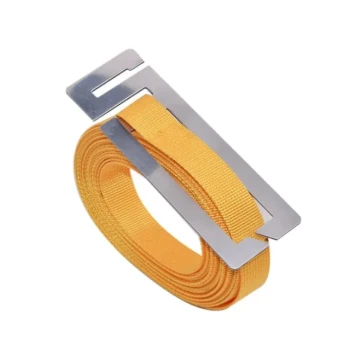
- Heavy-Duty Nylon Beehive Hive Strap with Stainless Steel Cinch Buckle
People Also Ask
- What are the arguments for and against wiring beehive frames? Balance Durability and Management Flexibility
- What are the drawbacks of wiring beehive frames? Key Limitations and Structural Trade-offs Revealed
- How is the wire secured at the top of the frame? A Guide to Locking in Tension for Strong Honeycomb
- What factors determine the amount of wiring needed in beehive frames? Tailor Your Strategy for Your Climate
- What tools are needed to wire a beehive frame? Essential Equipment for Durable Frame Construction