Electric honey extractors are essential tools for beekeepers, offering efficient and gentle honey extraction. Our range includes models like the Commercial Electric 12 Frame Honey Extractor with a 550W motor and 12-frame capacity, the Electric 8 Frame Honey Spinner Extractor designed for durability, and the Electric 48 Frame Radial Honey Spinner Extractor ideal for commercial operations. We also offer smaller models like the Electric 4 Frame Tangential Honey Extractor and the 3 Frame Honey Extractor, perfect for smaller-scale beekeeping. Each model is crafted from stainless steel, ensuring longevity and ease of use.
Toggle Categories
Get Instant Support
Choose your preferred way to connect with our team
-
Get Free Quote Fill out form for detailed pricing
-
Send Email Detailed inquiry support
-
WhatsApp Quick mobile chat
Response Time
Within 8 hours on working days, 24 hours on holidays
electric honey extractor


Electric 4 Frame Tangential Honey Extractor
Item Number: HE-4E

Electric 8 Frame Honey Spinner Extractor Equipment for Beekeeping
Item Number: HE-8E

Commercial Electric 12 Frame Honey Extractor Spinner Motorized Honey Extractor
Item Number: HE-12E

24 Frame Honey Extractor Commercial Radial Honey Frame Extraction Machine
Item Number: HE-24E

Commercial 48-Frame Stainless Steel Honey Extractor
Item Number: HE-48E
Discover the Efficiency of Electric Honey Extractors
Electric honey extractors are revolutionizing the beekeeping industry by offering a more efficient, convenient, and high-yield method of honey extraction. These machines are designed to handle various scales of operations, from small-scale beekeepers to large commercial enterprises. Our range of electric honey extractors includes models with capacities ranging from 3 to 48 frames, ensuring that there is a perfect fit for every beekeeper's needs.
Key Features and Benefits
-
Efficiency and Convenience: Electric honey extractors significantly reduce the physical labor involved in honey extraction. The motorized spinning mechanism ensures a quicker and more efficient extraction process, allowing beekeepers to process larger volumes of honeycombs with ease.
-
High-Quality Construction: Our extractors are made from high-grade stainless steel, ensuring durability and resistance to corrosion. This makes them suitable for long-term use in various environmental conditions.
-
Versatility: Whether you are a small-scale beekeeper or managing a large commercial operation, our range of electric honey extractors caters to all needs. From the compact 3-frame model to the robust 48-frame extractor, we have a solution for every beekeeper.
-
Gentle on Honeycombs: The centrifugal force used in our electric honey extractors ensures that the honey is extracted without damaging the honeycombs. This allows beekeepers to reuse the combs, reducing waste and increasing overall efficiency.
How It Works
Electric honey extractors operate on the principle of centrifugal force. The frames containing the honeycombs are placed inside the extractor, and the motor spins them at high speeds. This action forces the honey out of the cells and into a collection reservoir, leaving the combs intact and ready for reuse.
Customizable Solutions
We understand that every beekeeper has unique needs. That’s why we offer customizable options for our electric honey extractors. Whether you need a specific frame capacity, a particular motor power, or additional features, we can tailor our products to meet your requirements.
Why Choose Us?
-
Professional Expertise: With years of experience in the beekeeping industry, we are committed to providing high-quality products that meet the needs of our customers.
-
Exceptional Customer Service: Our team is dedicated to ensuring that you have a seamless experience from selection to after-sales support.
-
Customizable Options: We offer a range of customizable features to ensure that our products meet your specific needs.
Get in Touch
Ready to enhance your honey extraction process? Contact us today to learn more about our electric honey extractors and how we can help you achieve your beekeeping goals. Our team of experts is here to answer any questions and assist you in selecting the perfect extractor for your needs.
FAQ
What Is An Electric Honey Extractor?
An electric honey extractor is a device used to extract honey from honeycombs using centrifugal force. It is powered by an electric motor, making the process more efficient and less labor-intensive compared to manual methods.
What Are The Main Applications Of An Electric Honey Extractor?
Electric honey extractors are used primarily in beekeeping to efficiently extract honey from honeycombs. They are particularly beneficial for commercial beekeepers or those with a large number of beehives, as they can handle larger volumes of honeycombs and are suitable for small, medium, and large-scale operations.
What Are The Key Features To Consider When Choosing An Electric Honey Extractor?
When choosing an electric honey extractor, consider the number of frames it can handle, the build quality (such as thicker stainless steel), the design (e.g., reel vs. metal basket), and whether it is a variable speed direct drive model. Additionally, the extractor's footprint, warranty, and customer service reputation are important factors.
How Does An Electric Honey Extractor Work?
An electric honey extractor works by using centrifugal force to spin honey out of the cells without destroying the comb. Frames are placed in the extractor, and the machine is powered by an electric motor to spin the frames and remove the honey, which is then collected in a reservoir.
What Are The Advantages Of Using An Electric Honey Extractor?
The advantages of using an electric honey extractor include increased efficiency, convenience, higher honey yield, and minimal risk of damaging the honeycomb. It is particularly beneficial for commercial beekeepers or those with a large number of beehives, as it reduces physical labor and speeds up the extraction process.
REQUEST A QUOTE
Our professional team will reply to you within one business day. Please feel free to contact us!
Related Articles
Scaling Honey Production: Industrial Pressing vs Traditional Extraction for Commercial Apiaries
Compare industrial honey presses vs traditional extraction for commercial apiaries. Boost efficiency, reduce labor costs, and maintain quality at scale.
Read more
How to Optimize Honey Extraction Without Compromising Quality
Learn field-tested honey extraction methods to maximize yield while preserving quality, from uncapping tools to filtration and bottling.
Read more
How to Extract Honey Safely Without Damaging Equipment or Hives
Professional honey extraction techniques to maximize yield while protecting combs and hive health. Learn damage-free harvesting and sustainable hive management.
Read more
How to Harvest Honey Ethically: Bee-Friendly Techniques for Healthy Colonies
Learn ethical honey harvesting techniques to protect bee colonies while maximizing yield. Discover comb readiness tests, bee-friendly removal methods, and post-harvest care.
Read more
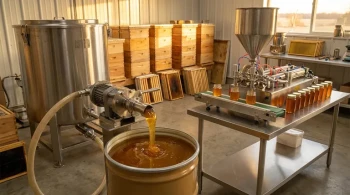
Transfer vs. Bottle: The Critical Honey Pump Mistake Costing Your Apiary
Stop damaging your honey and wasting time. Learn the difference between transfer pumps and bottling machines to boost efficiency and protect your product quality.
Read more
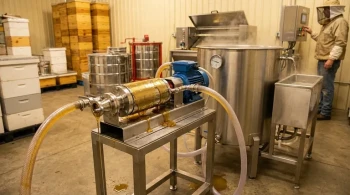
Why Your Honey Pump Is Clogging—And How to Fix It for Good
Struggling with clogged honey pumps and slow processing? Discover the root cause and how the right stainless steel screw pump can transform your efficiency.
Read more
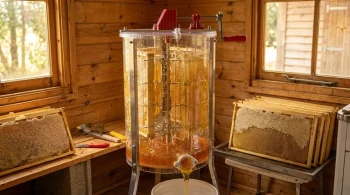
The Gentle Acceleration: Why Honey Extractor Speed Isn't a Number, But a Process
Honey extractor speed isn't a fixed RPM. It's a gradual process, starting slow to manage centrifugal force and prevent catastrophic comb damage.
Read more
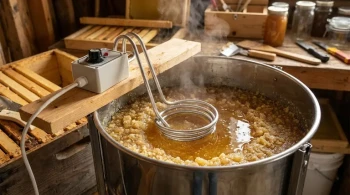
The Silent Profit Killer: Why Improper Honey Heating Is Costing Your Apiary, and How to Fix It
Learn how common honey heating methods for commercial apiaries can destroy product value. Discover the right way to preserve quality and maximize profit.
Read more
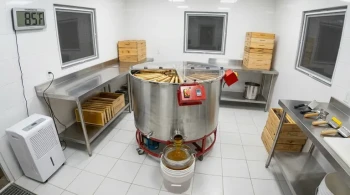
The Beekeeper's Cleanroom: Why Your Extraction Space Dictates Success
A successful honey harvest depends on a controlled environment. Learn how managing security, humidity, and temperature prevents failure.
Read more
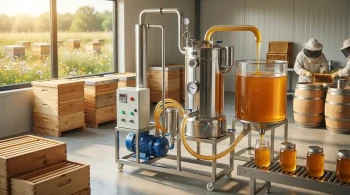
Beyond Flow Rate: Is Your Honey Pump Silently Damaging Your Product?
Discover why conventional honey pumps can cause crystallization and damage quality. Learn how a stainless steel screw pump protects your product and profit.
Read more
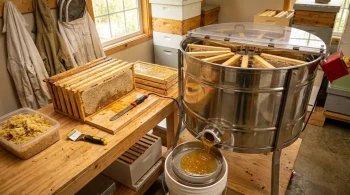
How to Optimize Centrifugal Honey Extraction for Different Hive Types
Optimize centrifugal honey extraction for top bar & Langstroth hives with expert tips on equipment, techniques, and quality preservation.
Read more
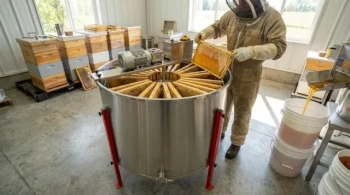
How to Choose the Right Honey Extractor Size: Balancing Capacity, Cost, and Efficiency
Learn how to choose the right honey extractor size based on hive count, honey viscosity, and workflow needs for hobbyists or commercial beekeepers.
Read more

How Honey Extractors Revolutionize Sustainable Beekeeping
Discover how honey extractors enhance sustainable beekeeping by preserving combs, boosting efficiency, and improving hive health.
Read more
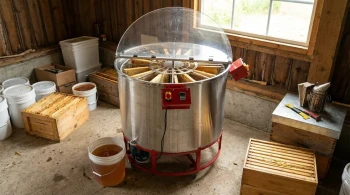
How to Prevent Honey Extractor Failures: Balancing Loads and Choosing Durable Frames
Learn how to prevent honey extractor failures with balanced loads and durable frames. Tips for radial, tangential, and manual extractors.
Read more
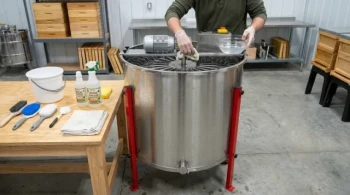
How Proper Honey Extractor Maintenance Prevents Costly Damage: A Beekeeper’s Guide
Learn how proper honey extractor maintenance prevents costly damage with expert cleaning tips and storage advice for beekeepers.
Read more
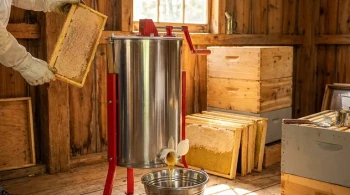
The Manual Flip: Understanding the Hidden Costs of Your First Honey Extractor
Tangential honey extractors are simple, but the manual flip costs time. Understanding this trade-off is key to scaling your beekeeping operation.
Read more
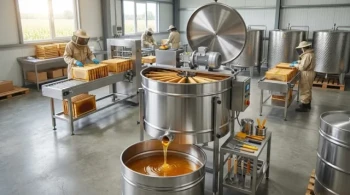
How Automatic Honey Extractors Cut Costs and Boost Scalability for Commercial Beekeepers
Automatic honey extractors reduce labor costs by 30% and boost scalability for commercial beekeepers. Discover how automation enhances efficiency and honey quality.
Read more
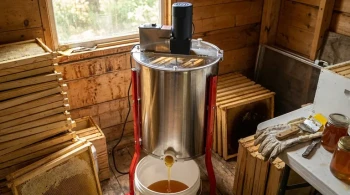
The Extractor's Dilemma: Why Honey Extraction is More Than Just a Spin
Explore how honey extraction methods, from centrifugal force to pressing, impact hive health, honey quality, and a beekeeper's long-term productivity.
Read more
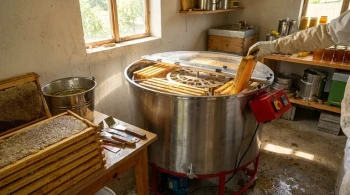
Beyond Speed: The Compounding Returns of an Electric Honey Extractor
An electric honey extractor saves more than time; it reduces physical labor and unlocks operational scale, making it a critical investment.
Read more
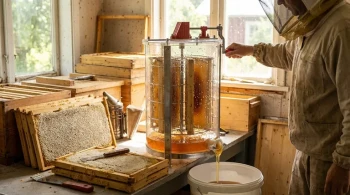
The Physics of Patience: Mastering Honey Extractor Speed to Save Your Combs
Mastering honey extraction isn't about raw speed. It's a three-step process balancing force and comb integrity to prevent costly blowouts.
Read more