A 4.2mm mesh aperture strikes the critical balance between defensive security and operational efficiency. This specific diameter is technically optimized to physically block large predators, such as hornets, from entering the hive while remaining porous enough for worker bees to pass through without significant obstruction. This ensures the colony remains secure from external biological threats without compromising the essential flow of foraging traffic.
The 4.2mm aperture solves the "protection paradox" by excluding predators while permitting smooth bee traffic, resulting in superior brood health, higher adult populations, and greater pollen stores compared to other entrance guard methods.
The Mechanics of Selective Exclusion
Blocking Large Predators
The primary function of the 4.2mm aperture is physical denial.
This specific dimension is scientifically calibrated to be smaller than the thorax of large, aggressive predators like hornets. By creating an impassable barrier, the mesh prevents these predators from entering the cage to attack the colony, effectively neutralizing the threat of mass slaughter.
Facilitating Forager Movement
While the mesh must block predators, it cannot act as a wall to the colony's own workforce.
The 4.2mm size is large enough to allow worker bees to navigate the barrier with relative ease. This minimizes entrance congestion and ensures that the colony's daily operations—specifically foraging and waste removal—continue relatively smoothly.
Measurable Impacts on Colony Health
Sustaining Brood Development
Data indicates a direct correlation between this specific mesh size and reproductive success.
Colonies protected by 4.2mm mesh maintain significantly better brood areas compared to those using other apertures. A secure, low-stress environment allows the queen to lay uninterrupted and nurse bees to care for larvae without the disruption of predator defense.
Preserving Adult Populations
The stability provided by the mesh leads to higher adult bee populations.
By preventing predator ingress, the colony suffers fewer casualties. This allows the hive to direct its energy toward growth and productivity rather than constant defensive mobilization and population recovery.
Optimizing Pollen Stores
Pollen availability is the fuel for hive growth, and the 4.2mm aperture is crucial for maintaining it.
Because the mesh minimizes traffic friction, foragers can return with pollen loads intact. Tighter meshes might strip pollen from bees' legs or slow entry rates, but the 4.2mm standard ensures pollen stores remain high, sustaining colony productivity.
Understanding the Trade-offs
Biological vs. Physical Security
It is important to distinguish between biological protection and physical asset protection.
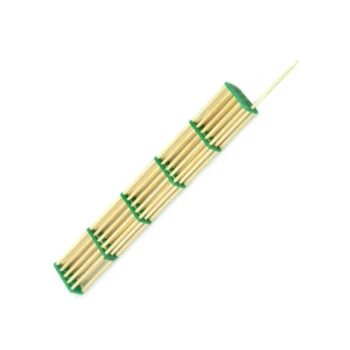
While the 4.2mm aperture is ideal for stopping hornets, broader protective cages also serve to prevent theft and vandalism. You must ensure that the cage structure itself provides the necessary physical reinforcement against human interference, while the mesh aperture specifically handles the biological interface.
The Risk of Deviation
Precision is paramount when selecting mesh size.
Deviating from the 4.2mm standard carries risks. A smaller aperture may restrict bee traffic and strip pollen, while a larger aperture renders the protection useless against the specific predators it is meant to exclude. The 4.2mm size is not a suggestion; it is a calculated optimum.
Making the Right Choice for Your Goal
To maximize the stability and productivity of your apiary, apply the following principles:
- If your primary focus is predator defense: Implement the 4.2mm aperture to create an effective physical barrier that excludes large hornets without isolating the colony.
- If your primary focus is colony productivity: Use this specific mesh size to ensure pollen intake and brood rearing are not stifled by overly restrictive entrance guards.
Choosing the correct mesh size is not merely a safety measure; it is a fundamental investment in the biological continuity and growth of your colonies.
Summary Table:
| Feature | 4.2mm Mesh Impact | Benefit to Colony |
|---|---|---|
| Predator Exclusion | Blocks hornet-sized thoraxes | Prevents mass slaughter and hive loss |
| Forager Traffic | Allows easy passage for workers | Maintains high foraging and waste removal rates |
| Brood Health | Reduces defensive stress | Increases brood area and reproductive success |
| Nutritional Flow | Prevents pollen stripping | Ensures high pollen stores for larvae development |
| Population Stability | Minimizes worker casualties | Leads to higher adult bee counts and productivity |
Elevate Your Apiary's Defense with HONESTBEE
Protecting your colonies requires more than just a barrier; it requires precision-engineered solutions. At HONESTBEE, we specialize in supporting commercial apiaries and distributors with high-quality, professional-grade beekeeping tools and machinery.
From mesh protection cages and hive-making machines to advanced honey-filling equipment, our comprehensive wholesale portfolio is designed to maximize your operational efficiency and colony security.
Partner with the industry experts to scale your beekeeping business.
Contact HONESTBEE Today to Discuss Wholesale Solutions
References
- Mohamed S. Younis. New technique for protecting honey bee colonies from oriental wasp (Vespa orientalisL.) attacks at Dokki region, Giza, Egypt.. DOI: 10.21608/assjm.2016.104128
This article is also based on technical information from HonestBee Knowledge Base .
Related Products
- Professional Square Folding Wire Mesh Beekeeping Veil
- High-Definition Beekeeper Hat with Round Veil Mesh for Beekeeping
- Classic Wooden and Mesh California Queen Cage
- Premium Ventilated Goatskin Beekeeping Gloves with Full 3-Layer Mesh Sleeve
- Wood and Mesh Push-In Queen Cage
People Also Ask
- Why is beekeeping veil mesh stiffness important? Ensure Maximum Safety with Rigid Protective Barriers
- What are the differences between round, square, and fencing veils? Choose the Right Protection for Your Apiary
- What are the different styles of beekeeping veils? A Guide to Safety & Visibility
- What types of head protection are available for beekeepers? Choose the Right Veil for Safety & Confidence
- What are the primary differences between a round beekeeping veil and a fencing veil? Choose the Right Protection