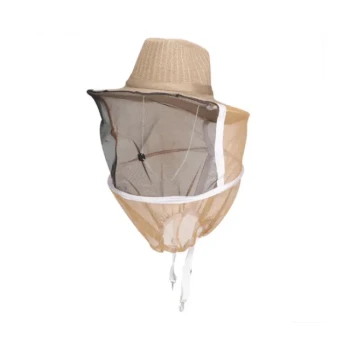
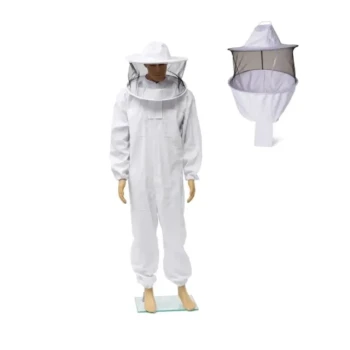
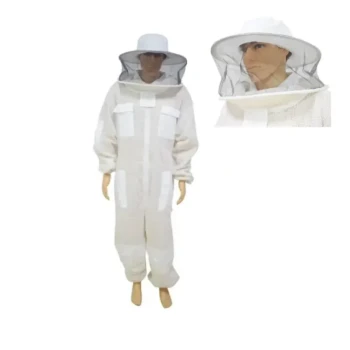
The jacket with a hat veil is the single most critical piece of protective equipment because honey bees are biologically programmed to target the face of mammalian intruders. This behavior is triggered by carbon dioxide (CO2) receptors on the bees' antennae, which allow them to detect your exhalations and perceive you as a predator.
Protective gear serves as a barrier against venom, but the veil specifically counters the bee's evolutionary instinct to attack the source of breath. By neutralizing this specific trigger, the veil prevents dangerous stings to sensitive areas like the eyes, nose, and mouth.
The Biological Mechanism of Aggression
The CO2 Trigger
Bees possess highly sensitive CO2 receptors located on their antennae. They utilize these receptors to pinpoint the location of a threat based on the concentration of carbon dioxide in the air.
Because humans exhale CO2, your breath acts as a homing beacon for guard bees. Without a veil, your face becomes the primary target for their defensive behavior.
The "Bear" Defense Mechanism
This aggressive response to CO2 is an evolutionary adaptation developed to defend colonies against predators, specifically bears.
Bears breathe heavily when attacking a hive to steal honey. Consequently, bees have evolved to aggressively sting the areas where CO2 is most concentrated—the nose and eyes—to drive the predator away.
Debunking the "Sensing Fear" Myth
It is a common belief that bees can "sense fear," but this is technically inaccurate. They are actually reacting to fear-related behaviors.
When a person is nervous or afraid, they tend to breathe more heavily or rapidly. This releases larger amounts of CO2, which the bees detect and respond to with increased aggression.
Managing Safety and Venom Risks
Protection Against Apitoxin
Honey bees deliver apitoxin (bee venom) when they sting. The physical reaction to this venom varies wildly from person to person, ranging from mild irritation to dangerous swelling.
Because the face and neck are highly vascular and sensitive, stings in these areas are not only painful but can cause swelling that may obstruct vision or breathing.
Disruption Causes Reaction
The very act of opening a hive disrupts the colony's environment. This makes the bees naturally more prone to stinging than they would be while foraging.
The jacket and veil provide a necessary shield for the torso, arms, and head, protecting you during these moments of inevitable agitation.
Establishing Tolerance
For new beekeepers, wearing full protective gear is essential while determining personal tolerance to bee venom.
You cannot know how your immune system will react to multiple stings until it happens. The gear allows you to learn proficient handling techniques without the risk of a severe medical emergency during the learning curve.
Understanding the Trade-offs
Comfort vs. Protection
The primary trade-off with heavy protective gear, such as a full jacket and veil, is heat and physical restriction. Beekeeping often happens in warm weather, and layers of protective fabric can become uncomfortable.
Dexterity Limitations
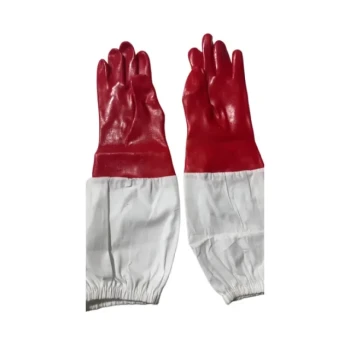
While the jacket and veil protect the core and head, full suits often include gloves which can limit tactile feedback.
Some experienced beekeepers may choose to work without gear to improve dexterity and comfort. However, they accept a higher risk of stings, relying on their ability to read bee behavior rather than physical barriers.
Making the Right Choice for Your Goal
Whether you choose a full suit or just a jacket and veil depends on your experience level and comfort with risk.
- If your primary focus is safety and learning: Prioritize a high-quality jacket with a secure veil to eliminate the risk of facial stings while you master hive mechanics.
- If your primary focus is comfort during quick inspections: You may eventually transition to lighter gear, but never compromise on the veil due to the bees' instinctive attraction to CO2.
Ultimately, the veil is not just clothing; it is the only effective countermeasure against a honey bee's 30-million-year-old instinct to attack your breath.
Summary Table:
| Feature | Protection Benefit | Biological Reason |
|---|---|---|
| Hat Veil | Protects eyes, nose, and mouth | Bees target CO2 exhalation zones (breath) |
| Padded Jacket | Shields torso and arms from venom | Neutralizes the bee's defensive 'bear' response |
| Neck Seal | Prevents bees from entering clothing | Blocks access to highly vascular and sensitive skin |
| Heavy Fabric | Barrier against apitoxin (venom) | Minimizes sting penetration during hive disruptions |
Secure Your Apiary with Professional-Grade Gear
At HONESTBEE, we understand that safety is the foundation of successful beekeeping. Whether you are managing a commercial apiary or supplying the next generation of beekeepers as a distributor, we provide the high-quality equipment you need to stay protected.
From ventilated jackets and specialized hat veils to advanced honey-processing machinery and hive-making tools, our comprehensive wholesale portfolio is designed to enhance efficiency and safety. Let us support your business with industry-leading beekeeping consumables and equipment.
Ready to scale your operations? Contact us today to explore our wholesale catalog!
Related Products
- Economy Polyester Beekeeping Jacket with Veil and Hat
- White Cotton Beekeeping Jacket and Veil for Bee Keepers
- Beekeeping Jacket with Hood and Veil for Beekeepers
- Vented Beekeeping Jacket with Hood and Veil for Beekeepers
- Premium Cowboy Beekeeper Hat with Visibility Veil Outdoor Professional Beekeeping Protective Gear
People Also Ask
- When is a beekeeping jacket considered a more suitable choice than a full suit? Optimize Your Apiary Mobility
- What are the advantages of a beekeeping jacket? Superior Mobility & Comfort for Routine Hive Inspections
- What are the features of an economical beekeeping jacket? Essential Protection for Budget-Conscious Beekeepers
- What factors should a new beekeeper consider when choosing between a jacket and a full suit? Security vs. Comfort
- What are the pros of using a beekeeping jacket? Unlock Superior Comfort and Mobility for Your Apiary