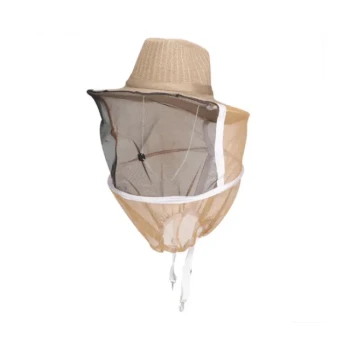
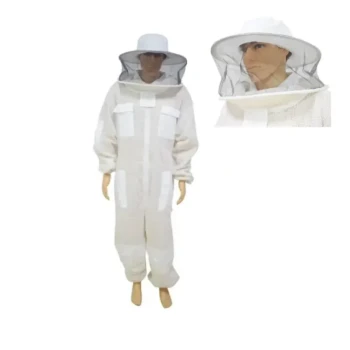
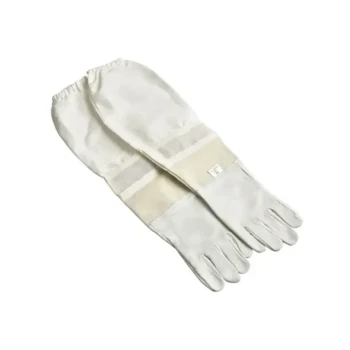
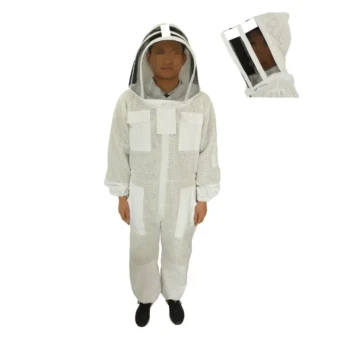
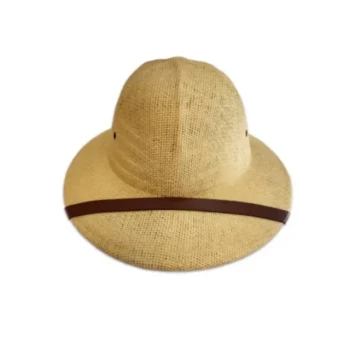
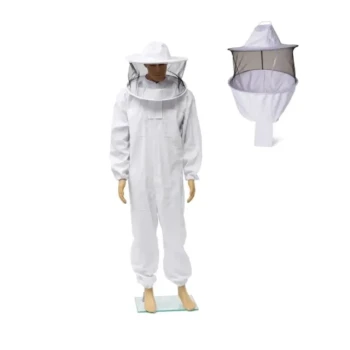
Despite the absence of a functional stinger, working with aggressive stingless bee species requires specific protective measures to ensure operator safety and efficiency. A professional protective face veil acts as a critical physical barrier, preventing these bees from biting sensitive skin or becoming hopelessly entangled in your hair.
While stingless bees cannot sting, their defensive swarm behavior—characterized by biting and targeting the head—can make hive management impossible without gear. A face veil is essential not just for physical protection, but to maintain the operational focus needed to handle colonies safely.
The Specific Defensive Behaviors of Stingless Bees
Many beekeepers underestimate stingless bees because of their name. However, aggressive species possess robust defensive mechanisms that target the face and head specifically.
Biting Sensitive Areas
Although they lack a venomous sting, these bees possess strong mandibles. They use them to bite sensitive skin around the face, eyes, and neck, causing significant irritation and distraction.
Hair Entanglement
A unique and highly disruptive behavior of these species is their tendency to burrow into hair. Once entangled, they buzz aggressively and bite the scalp, which can induce panic in unprepared personnel.
Swarming the Face
During colony disturbances, such as hive splitting, these bees often swarm directly at the operator's face. The veil provides a necessary buffer zone, keeping the insects at a safe distance from eyes and airways.
Operational Impact on Beekeeping Tasks
The necessity of a veil extends beyond mere comfort; it is a prerequisite for executing technical tasks with precision.
Reducing Operational Difficulty
When a technician is under attack by a biting swarm, their ability to perform delicate tasks degrades rapidly. The veil neutralizes this distraction, reducing the operational difficulty associated with aggressive behaviors.
Ensuring Continuity During Transfers
Procedures like colony transfers or hive splitting require steady hands and focus. Without a veil, the natural reflex to swat at bees or protect one's face can lead to dropped frames or damaged brood.
Enhancing Psychological Comfort
Knowing you are physically separated from the swarm improves psychological comfort. This mental state is crucial for maintaining high precision, ensuring that the risk of colony damage caused by human error is minimized.
Understanding the Trade-offs
While the veil is necessary, it introduces specific challenges that a technician must manage to remain effective.
Visibility Restrictions
Any mesh barrier will slightly reduce visual clarity. When searching for a queen or inspecting minute brood details, the veil can obscure fine operational cues.
Heat Retention
Veils reduce airflow around the head and neck. In hot climates where stingless bees often thrive, this can lead to faster operator fatigue, requiring more frequent breaks.
Making the Right Choice for Your Goal
Selecting the right level of protection depends on the specific intensity of the task you are performing.
- If your primary focus is Colony Splitting or Transfers: You must prioritize a veil with a full seal to prevent hair entanglement, as these tasks trigger the highest defensive response.
- If your primary focus is Data Collection or Observation: Prioritize a veil with high-visibility mesh to ensure accuracy and precision, allowing you to record data without the distraction of biting insects.
Ultimately, the veil allows you to respect the bees' defensive instincts while maintaining the control necessary for successful hive management.
Summary Table:
| Feature | Protection Benefit | Operational Impact |
|---|---|---|
| Physical Barrier | Prevents bites to eyes, neck, and face | Reduces distraction and irritation |
| Full Seal Design | Stops bees from burrowing into hair | Eliminates panic and scalp irritation |
| Buffer Zone | Keeps swarm away from airways/vision | Enhances psychological comfort and focus |
| High-Visibility Mesh | Maintains clear line of sight | Ensures precision during colony splitting |
Secure Your Apiary Success with HONESTBEE
Don't let aggressive defensive behaviors compromise your commercial productivity. At HONESTBEE, we specialize in supporting commercial apiaries and distributors with premium-grade beekeeping tools and machinery. Whether you need specialized protective gear to handle aggressive species or industrial-scale honey-filling machines, our comprehensive wholesale portfolio is designed for your growth.
Our Value to You:
- Comprehensive Range: From hive-making machinery to essential consumables and cultural merchandise.
- Commercial Scalability: Reliable supply chains tailored for large-scale operations and distributors.
- Industry Expertise: Quality equipment that ensures safety, precision, and efficiency in every hive.
Ready to upgrade your professional beekeeping inventory? Contact HONESTBEE today to discuss your wholesale needs!
References
- Elda Míriam Aldasoro Maya, Jorge Mérida‐Rivas. Stingless bee keeping: Biocultural conservation and agroecological education. DOI: 10.3389/fsufs.2022.1081400
This article is also based on technical information from HonestBee Knowledge Base .
Related Products
- Premium Cowboy Beekeeper Hat with Visibility Veil Outdoor Professional Beekeeping Protective Gear
- White Cotton Beekeeping Jacket and Veil for Bee Keepers
- Beekeeper Cowboy Hat and Veil for Beekeeping
- Premium Three Layer Ventilated Bee Suit with Round Veil
- Premium Cotton Beekeeper Suit with Reinforced Fencing Veil
People Also Ask
- What design features contribute to the stability and fit of the beekeeper hat? Key Features for Maximum Hive Safety
- How is the beekeeper hat designed for comfort and practicality? Explore Key Features for Enhanced Apiary Safety
- What is the general protective gear recommendation for new beekeepers? Your Essential Beginner's Safety Guide
- How does beekeeping protective gear facilitate the queen bee selection process? Enhancing Precision in Queen Breeding
- What should beekeepers consider when choosing protective gear? A Guide for Maximum Safety & Comfort