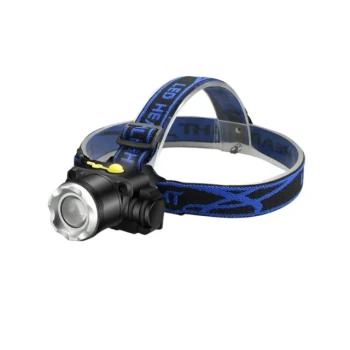
High-intensity portable lighting is a technical prerequisite for successful larval grafting because it provides the visibility necessary to identify larvae under 24 hours of age. These larvae are often microscopic, transparent, and located at the bottom of deep, dark honeycomb cells. Without high-lumen illumination, a beekeeper cannot achieve the precise positioning required to lift the larvae without damaging the cell walls or the delicate specimens themselves.
High-intensity lighting transforms the grafting process from a game of chance into a repeatable, high-success operation by ensuring visual clarity and larval viability. For professional operations, it is an essential component of a precision beekeeping toolkit that directly impacts queen-rearing yields.
The Critical Role of Visibility in Precision Grafting
Identifying the Optimal Larvae
The success of queen rearing depends entirely on selecting larvae that are less than 24 hours old. At this stage, larvae are nearly invisible to the naked eye in low-light conditions. High-intensity portable lighting allows the technician to distinguish these tiny, transparent organisms from older, less suitable larvae deep within the brood cells.
Ensuring Non-Destructive Transfer
Grafting requires the technician to slide a needle under the larva and its bed of royal jelly. Clear visibility ensures the tool is positioned accurately to avoid physical trauma to the larva's soft body. Without sufficient lighting, the risk of "stabbing" the larva or damaging the wax cell walls increases significantly, leading to lower acceptance rates by the colony.
Navigating Deep Cell Geometry
Honeycomb cells are narrow and deep, creating natural shadows that obscure the bottom. Portable headlamps or integrated LED needles provide directional light that penetrates these depths. This allows for a clear view of the royal jelly layer, which is essential for a successful "wet" graft.
Optimizing Survival Through Environmental Control
The Importance of Cold Light Sources
While high intensity is required, heat is a major threat to larval survival. Cold light LED technology is preferred because it provides maximum brightness without emitting infrared heat. This prevents larval dehydration and maintains the vitality of the specimen during the delicate transfer window.
Reducing Exposure Time
Precision lighting allows for faster hand movements and quicker identification. By shortening the time each frame is out of the hive, beekeepers reduce the risk of exposing larvae to non-optimal temperatures and humidity. Efficient workflows enabled by superior lighting directly correlate to higher queen quality and better hive productivity.
Versatility Across the Beekeeping Lifecycle
Advanced Varroa Mite Inspection
High-intensity lighting is not limited to grafting; it is a requirement for standardized Varroa measurement. Technicians use penetrating light to observe the presence of tiny mites on cell walls after uncapping brood. This visual enhancement is critical for determining infection levels and timing treatments accurately.
Nighttime Operations and Harvesting
For professional distributors, lighting represents a multi-use tool in the apiculture portfolio. High-performance portable equipment is essential for nighttime hive management and honey harvesting in low-light environments. Offering a full-spectrum product portfolio that includes these tools allows resellers to meet the diverse needs of commercial beekeepers.
Understanding the Trade-offs
Intensity vs. Battery Life
While higher lumens provide better clarity, they often lead to faster battery depletion. Distributors should prioritize efficient LED chipsets and high-capacity lithium-ion batteries to ensure the light lasts through a full day of grafting. Reliable power management is a key selling point for professional-grade gear.
Portability vs. Stability
Handheld flashlights offer high power but occupy a hand that is needed for the grafting tool or frame. Head-mounted displays or lights integrated into the grafting needle provide the best balance of directional illumination and manual freedom. Resellers must understand that "hands-free" is the industry standard for precision tasks.
Choosing the Right Lighting for Your Inventory
Selecting the appropriate lighting solutions for your customers depends on their operational scale and technical proficiency. As a dedicated B2B partner, we focus on providing high-performance tools that ensure rapid order fulfillment and technical reliability.
- If your primary focus is High-Volume Queen Rearing: Stock LED-integrated grafting needles and high-lumen headlamps with cold light technology to maximize larval survival.
- If your primary focus is Hive Health and Diagnostics: Prioritize high-penetration portable flashlights designed for deep-cell Varroa mite inspections and brood health checks.
- If your primary focus is General Commercial Beekeeping: Offer a comprehensive portfolio of rugged, weather-resistant portable lighting that can handle nighttime harvesting and emergency hive repairs.
Equipping your clients with high-intensity portable lighting ensures they have the visual precision necessary to sustain healthy, productive honeybee colonies.
Summary Table:
| Feature | Importance in Larval Grafting | Impact on Productivity |
|---|---|---|
| Visual Clarity | Identifies larvae <24 hours old in deep cells | Higher queen acceptance rates |
| Cold LED Tech | Provides high lumens without emitting heat | Prevents larval dehydration/death |
| Hands-Free Design | Frees both hands for needle and frame work | Faster workflow and reduced exposure |
| Multi-Use Utility | Useful for Varroa checks & night harvesting | Maximizes equipment ROI for apiaries |
| Power Reliability | Ensures consistent lighting during long shifts | Uninterrupted precision operations |
Scale Your Inventory with HONESTBEE’s Precision Solutions
Empower your professional beekeeping portfolio with HONESTBEE’s high-performance tools. As a premier partner for commercial apiaries and B2B distributors, we provide a comprehensive wholesale offering—from cold-light LED grafting needles and specialized headlamps to industrial honey-filling machinery.
By partnering with us, you gain access to our one-stop sourcing capabilities, rapid fulfillment, and deep industry expertise that ensure high profit margins and supply reliability for your business. Ready to provide your customers with the best in apiculture technology?
Contact us today to explore our full-spectrum product portfolio and wholesale pricing!
References
- سیدابراهیم فرخاری. مروری بر روشهای پرورش ملکه زنبور عسل. DOI: 10.62810/jns.v7i1.10
This article is also based on technical information from HonestBee Knowledge Base .
Related Products
- Plastic Beekeeping Honey Bee Larvae Grafting Tools for Queen Rearing and Chinese Grafting
- Retractable Chinese Queen Rearing Grafting Tools Equipment
- Stainless Steel Queen Grafting Tool for Beekeeping and Bee Queen Grafting
- Plastic Chinese Queen Grafting Tool for Bee Queen Rearing
- Black 2 Pack Beekeeper Queen Grafting Tool for Bee Queen Larva Transferring Needle
People Also Ask
- How do larvae grafting tools and royal jelly production kits contribute to a diversified bee product strategy?
- What happens if a larva is grafted too late? Avoid Scrub Queens and Failed Rearing
- What is the primary function of a Professional Bee Larvae Grafting Tool in queen rearing? Enhance Breeding Efficiency
- What is the grafting method of queen rearing? Master Controlled Queen Production for Your Apiary
- What is the primary function and technical requirement of a larvae grafting tool? Master Precision Queen Rearing