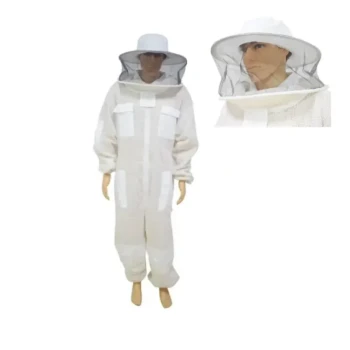
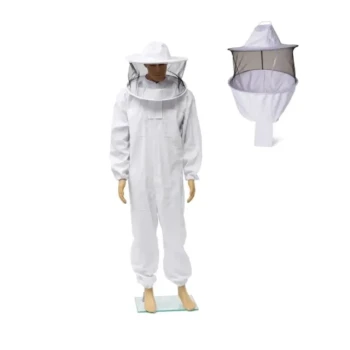
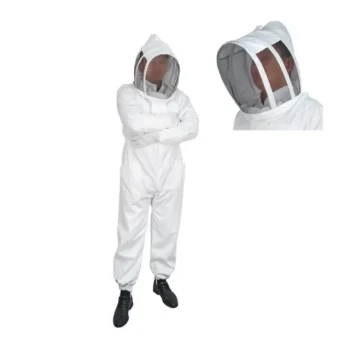
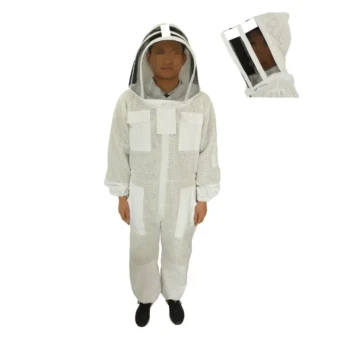
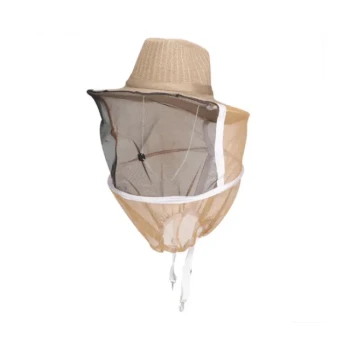
Protective clothing serves as the primary barrier against defensive colony behavior. While honey bees are generally docile, they will instinctively defend their hive if they feel threatened, unfamiliar, or agitated by seasonal changes. Wearing a bee suit or jacket is the most effective method to ensure physical safety and prevent stings during hive maintenance.
The true value of a bee suit extends beyond physical shielding; it provides the psychological security required to work calmly. By eliminating the fear of stings, a beekeeper can move with the steady confidence that keeps the colony passive.
The Physiology of Protection
Managing Venom Exposure
The most immediate function of a bee suit is to prevent the injection of apitoxin (bee venom). Physical reactions to venom vary significantly, ranging from mild local irritation to dangerous systemic responses depending on individual susceptibility.
Determining Tolerance
This is particularly critical for new beekeepers. Beginners often do not yet know their personal tolerance levels to bee venom. Full protective gear allows them to safely gauge their biological response over time without the risk of a massive envenomation event.
The Psychology of the Hive
The Cycle of Calm
There is a direct link between the beekeeper's confidence and the hive's aggression levels. Bees can detect tension and jerky movements, which often result from a fear of being stung.
Reducing Anxiety
A suit acts as a buffer against anxiety. When a beekeeper feels secure, their movements become slower and more deliberate. This calmness soothes the bees, creating a feedback loop that makes the entire interaction safer and less stressful.
Focus on Maintenance
Effective beekeeping requires attention to detail. Without protective gear, a beekeeper may be distracted by flying insects or the anticipation of pain. The suit allows the operator to concentrate fully on inspecting the hive and maintaining its health.
Hygiene and Contamination
Protecting the Apiary
Beyond personal safety, clean protective clothing plays a role in hive hygiene. Dedicated suits help prevent the introduction of external dirt, contaminants, or pathogens into the hive environment.
Safeguarding Honey Quality
Using clean gear ensures that foreign debris does not compromise the quality of the honey during harvest or inspection.
Understanding the Trade-offs
Heat Management
A common drawback of full protection is heat retention, particularly in warmer climates. Thick canvas suits can become uncomfortable during long inspections. Beekeepers in hot regions often must trade some durability for ventilated fabrics to avoid heat exhaustion.
The Experience Curve
While full suits are standard for safety, they are not universally mandatory for every interaction. Experienced beekeepers who understand the temperament of their specific hives may sometimes work in regular clothing to increase dexterity.
Unpredictability
However, relying on experience alone has risks. Even calm hives can become agitated due to weather or predators. Consequently, even experts should keep protective gear immediately available for days when the colony is unusually defensive.
Making the Right Choice for Your Goal
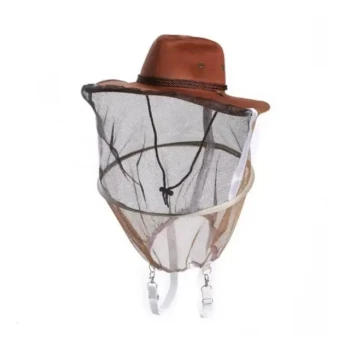
Whether you choose a full suit, a jacket, or a simple veil depends on your experience level and the specific task at hand.
- If your primary focus is learning the craft: Prioritize a full suit to eliminate fear, allowing you to focus entirely on technique and handling.
- If your primary focus is comfort in high heat: Invest in a suit made from ventilated fabric to maintain protection while reducing physical stress.
- If your primary focus is quick, low-impact inspections: A jacket and veil may provide sufficient upper-body protection without the bulk of a full suit.
The right protective gear transforms beekeeping from a stressful hazard into a manageable, focused, and enjoyable discipline.
Summary Table:
| Feature | Primary Benefit | Importance Level |
|---|---|---|
| Physical Shielding | Prevents venom exposure and stings | Essential |
| Psychological Buffer | Reduces anxiety for calmer movements | High |
| Hive Hygiene | Minimizes external contamination | Medium |
| Focus & Accuracy | Allows total concentration on hive health | High |
| Ventilated Fabrics | Manages heat during long inspections | Optional |
Elevate Your Apiary Safety with HONESTBEE
At HONESTBEE, we understand that professional beekeeping requires the perfect balance of protection and comfort. Whether you are a commercial apiary or a distributor, we provide a comprehensive range of premium beekeeping suits, jackets, and essential hardware—from hive-making machinery to honey-themed merchandise.
Our equipment is designed to enhance your operational efficiency while ensuring the safety of your team. Contact us today to discuss our wholesale offerings and let us help you grow your beekeeping business with tools built for durability and performance.
Related Products
- Economy Polyester Beekeeping Jacket with Veil and Hat
- White Cotton Beekeeping Jacket and Veil for Bee Keepers
- Vented Beekeeping Jacket with Hood and Veil for Beekeepers
- Beekeeping Jacket with Hood and Veil for Beekeepers
- Premium Three Layer Ventilated Bee Suit with Round Veil
People Also Ask
- When is a beekeeping jacket considered a more suitable choice than a full suit? Optimize Your Apiary Mobility
- What are the advantages of a beekeeping jacket? Superior Mobility & Comfort for Routine Hive Inspections
- What are the features of an economical beekeeping jacket? Essential Protection for Budget-Conscious Beekeepers
- What factors should a new beekeeper consider when choosing between a jacket and a full suit? Security vs. Comfort
- What are the pros of using a beekeeping jacket? Unlock Superior Comfort and Mobility for Your Apiary