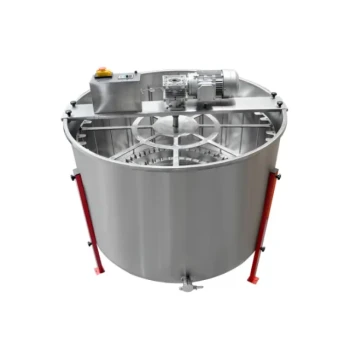
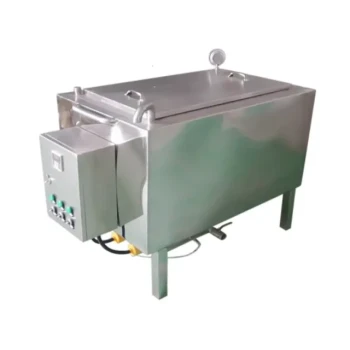
Electric processing equipment is essential because the naturally firm, waxy texture of fermented bee bread makes manual processing ineffective and inconsistent. Electric grinding machinery is required to mill this tough material into a fine powder for optimal bioavailability, while industrial mixers are necessary to blend that powder uniformly with honey to prevent clumping and ensure even nutrient distribution.
Manual processing fails to overcome the physical resistance of fermented pollen, leading to inconsistent product quality. Electric equipment is the only reliable method to transform waxy bee bread into a bioavailable powder and integrate it seamlessly into commercial mixtures without compromising nutritional integrity.
Overcoming Physical Constraints
The Challenge of Texture
Bee bread is not naturally loose or brittle; it possesses a firm, waxy consistency.
This texture creates significant resistance, making it difficult to break down effectively using hand tools or standard kitchen equipment.
Achieving Bioavailability
To make the product commercially viable, the raw material must be transformed into a fine powder.
Electric grinding machinery applies the necessary force to mill the waxy substance down to a particle size that the human body can easily absorb.
Without this fine milling, the bioavailability of the nutrients remains low, reducing the efficacy of the final product.
Ensuring Product Uniformity
Preventing Clumping
When introducing powdered bee bread into viscous bases like honey, clumping is a major technical challenge.
Manual mixing often leaves dry pockets of powder encapsulated by the liquid, resulting in a gritty, unappealing texture.
Consistent Nutrient Distribution
Industrial mixers provide the torque and consistent motion needed to create a homogeneous blend.
This ensures that every jar or serving contains the exact same concentration of nutrients, which is critical for labeling accuracy and consumer trust.
Understanding the Trade-offs: Efficiency vs. Quality
Preserving Bioactive Compounds
Efficiency in processing is not just about speed; it is about protecting the product.
Slow or inefficient processing methods can expose the raw material to environmental factors that degrade sensitive components.
The Economic Impact
Using specialized machinery minimizes the time between harvesting and packaging.
This speed is critical to ensure that antioxidants and other bioactive components are not destroyed, thereby maintaining the product's economic value and nutritional claims.
Making the Right Choice for Your Production Line
To ensure your commercial operation yields a high-value product, consider your specific processing goals:
- If your primary focus is nutritional efficacy: Prioritize high-torque electric grinders to ensure the bee bread is milled to the finest possible powder for maximum bioavailability.
- If your primary focus is consumer experience: Invest in industrial mixing equipment to guarantee a smooth, clump-free texture in honey-based mixtures.
- If your primary focus is market value: Ensure your entire equipment chain is efficient enough to minimize processing time, preserving the delicate antioxidants that drive the product's premium price.
Automation in this sector is not a luxury; it is the standard for maintaining the integrity of the hive's nutrients.
Summary Table:
| Processing Feature | Manual Method | Electric/Industrial Equipment |
|---|---|---|
| Texture Control | Inconsistent, clumpy | Fine, uniform powder |
| Bioavailability | Low (large particles) | High (optimized particle size) |
| Mixing Quality | Frequent dry pockets | Homogeneous, smooth blend |
| Efficiency | Slow, labor-intensive | Fast, preserves antioxidants |
| Commercial Value | Lower due to quality gaps | Premium, lab-accurate consistency |
Elevate Your Bee Product Quality with HONESTBEE
At HONESTBEE, we understand that commercial success in the apiculture industry depends on precision and efficiency. As a leading supplier for commercial apiaries and distributors, we provide a comprehensive range of professional beekeeping machinery, including high-torque grinding and mixing equipment specifically designed to handle the tough texture of bee bread.
From specialized hive-making tools to honey-filling machines and essential consumables, our portfolio is built to maximize your production value. Ready to optimize your processing line for superior bioavailability and smooth textures?
Contact HONESTBEE Today to Discuss Your Wholesale Equipment Needs
References
- Raivo Kalle, Renata Söukand. Beekeepers as guardians of apitherapeutic knowledge in Estonia, SW Ukraine, and NE Italy. DOI: 10.1186/s13002-025-00764-6
This article is also based on technical information from HonestBee Knowledge Base .
Related Products
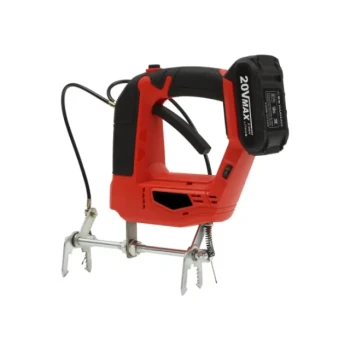
- High Performance Cordless Electric Bee Shaker for Beekeeping
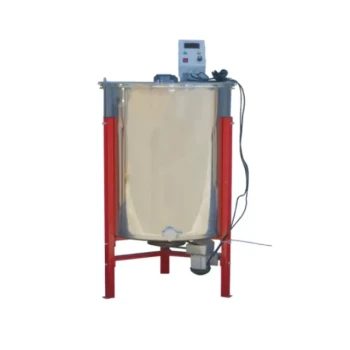
- Economy Honey Homogenizer Mixer and Melting Machine for Beekeeping
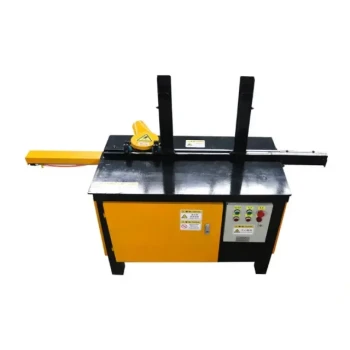
- HONESTBEE Top Bar & Bottom Bar Forming Machine | Bee Frame Machine
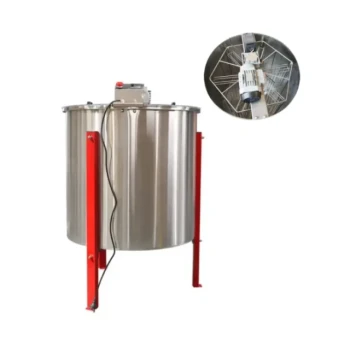
- Electric 8 Frame Honey Spinner Extractor Equipment for Beekeeping
- Frame Punching Hole Puncher Machine for Bee Frame Producing Line
People Also Ask
- Why is the use of a bee shaker and alcohol wash necessary? Master Accurate Varroa Mite Monitoring
- What role do efficient auxiliary tools play in managing labor resources? Maximize Apiary Output & Labor Efficiency
- What should be done with the bee sample after conducting a varroa mite count with a shaker? Post-Test Care Guide
- What is an electric bee smoker? A Guide to Automated Hive Management
- What is the function of a high-performance bee smoker in commercial apiary management? Maximize Safety & Efficiency