Propolis serves as a powerful olfactory lure and biological indicator of safety. Beekeepers utilize it in new hives because its distinct scent and antimicrobial properties signal to scout bees that a location is hygienic, secure, and ready for habitation, thereby significantly increasing the likelihood of a colony settling there.
The application of propolis effectively "validates" a new nesting site for honeybees. By mimicking the chemical signature of an established, healthy home, it creates a sense of security that overrides the bees' natural hesitation toward empty or artificial structures.
The Biological Mechanics of Attraction
The Scent of Security
Honeybees rely heavily on olfactory cues to evaluate potential nesting sites. The characteristic scent of propolis is immediately recognizable to bees as a component of a developed colony.
When applied to a new hive, this scent masks the odors of raw wood or plastic, which can be alien to a swarm. It signals that the environment is familiar and suitable for nesting.
The Antimicrobial Shield
Propolis is naturally antimicrobial. In nature, bees use it to sterilize their living quarters and seal cracks to prevent infection.
By pre-coating a hive with this material, you are signalling to the bees that the site is already hygienic. This reduces the perceived energy cost required to make the space safe for raising brood.
Impact on Colony Behavior
Accelerating Colonization
For wild swarms, speed is critical when choosing a home. The presence of propolis acts as a catalyst in the decision-making process.
Because the site already possesses the chemical markers of a safe dwelling, the colonization process is accelerated. The swarm spends less time debating the site's suitability and more time moving in.
Increasing Acceptance Rates
New equipment often suffers from a high rejection rate. A pristine box does not feel like a home to a bee; it feels like an empty void.
Propolis acts as an induction material that bridges this gap. It dramatically increases the colony's acceptance of the new environment by making the artificial structure feel "lived-in" and secure.
Understanding the Limitations
Influence vs. Guarantee
While propolis is a potent attractant, it acts as a signal, not a trap. It encourages settlement but does not physically force bees to stay.
If the hive is located in a poor forage area or lacks proper dimensions, propolis alone cannot compensate for these structural or environmental deficits.
The Necessity of Freshness
The effectiveness of propolis relies on its active biological properties and volatile compounds (scent).
If the induction material is too old or has lost its scent, it will fail to trigger the necessary association with safety. The signal must be strong enough for scout bees to detect and validate.
Making the Right Choice for Your Goal
To effectively use propolis for hive induction, consider your specific objective:
- If your primary focus is catching wild swarms: Apply fresh propolis to the entrance and interior walls of trap hives to mimic the scent of a previous successful colony.
- If your primary focus is establishing package bees: Coat the interior of new frames or boxes to reduce stress and signal that the hygienic requirements of the nest are already partially met.
Leveraging the biological familiarity of propolis turns a sterile box into an inviting home, working with the bee's instincts rather than against them.
Summary Table:
| Feature of Propolis | Impact on Colony Settlement | Benefit to Beekeepers |
|---|---|---|
| Olfactory Lure | Signals a familiar, established home | Higher attraction rates for wild swarms |
| Antimicrobial Properties | Indicates a hygienic and sterile environment | Reduces bee stress and prep-work energy |
| Site Validation | Overrides the smell of raw wood/plastic | Minimizes hive rejection and desertion |
| Biological Marker | Accelerates the scout bee decision process | Faster hive colonization and establishment |
Maximize Your Apiary Success with HONESTBEE
At HONESTBEE, we understand that successful beekeeping starts with the right environment. Whether you are a commercial apiary scaling production or a distributor supplying the industry, our comprehensive wholesale range provides everything you need to build a thriving business.
From specialized hive-making and honey-filling machinery to high-quality beekeeping tools and essential consumables, we equip you with the hardware and insights needed to improve colony acceptance and operational efficiency. Let us help you turn sterile equipment into productive hives with our professional-grade solutions.
Ready to elevate your beekeeping operations? Contact us today to explore our wholesale catalog and expert equipment solutions!
References
- Borden Mushonga, B.V.E. Segwagwe. Characterization of the Beekeeping Value Chain: Challenges, Perceptions, Limitations, and Opportunities for Beekeepers in Kayonza District, Rwanda. DOI: 10.1155/2019/5982931
This article is also based on technical information from HonestBee Knowledge Base .
Related Products
- Heavy-Duty Ergonomic Grip Galvanized Pollen Shovel
- Solar Beeswax Melter Easy Solar Wax Melter for Beeswax
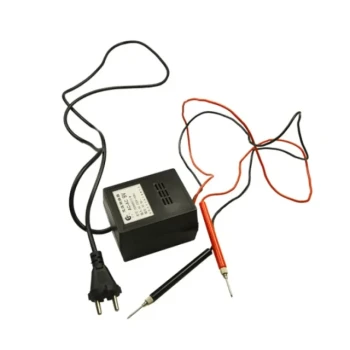
- HONESTBEE AC Powered Wire Embedder with Alligator Clips
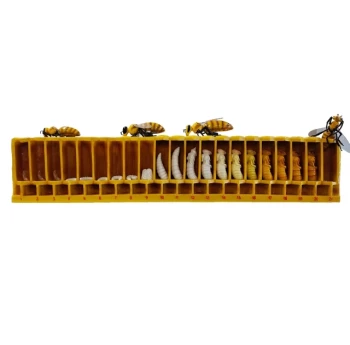
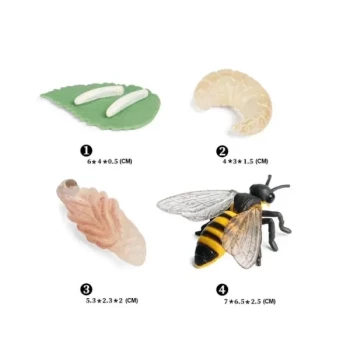
- Honey Bee Lifecycle Model: A Detailed Honeycomb Display of Bee Development
- Professional Dual Action Queen Excluder Scraper for Beekeeping
People Also Ask
- For what reasons do beekeepers collect bee pollen? Boost Hive Health and Unlock New Revenue Streams
- Why should commercial apiaries focus on the collection of diversified bee products? Maximize Your Hive’s Profit Potential
- How do bee pollen collection tools affect the quality of bee pollen used in functional dairy ice cream production?
- How does a specialized pollen collector facilitate the harvesting of diverse bee products? Automate High-Value Yields
- What is the impact of pollen collectors and associated equipment on the cost structure of pollen production? Maximize ROI