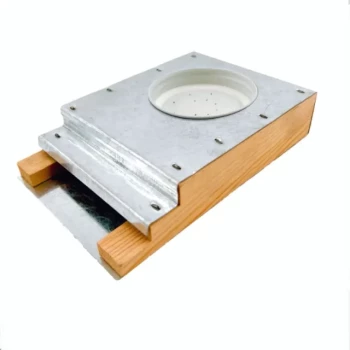
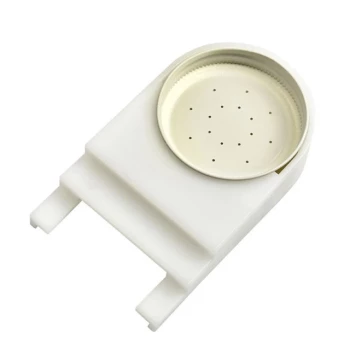
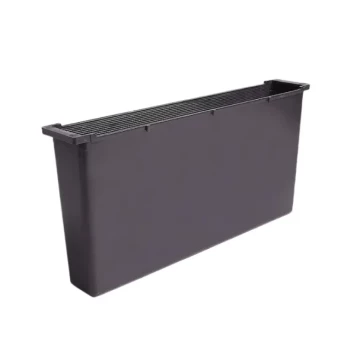
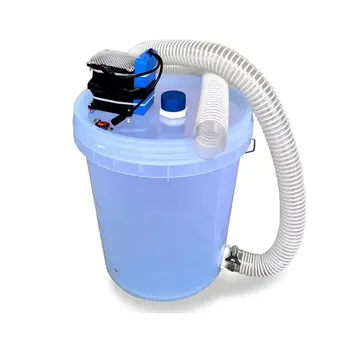
The configuration of high-capacity water feeders is the primary defense mechanism for commercial apiaries operating in high-temperature environments. These feeders provide the critical volume of water honeybees need to actively lower hive temperatures through evaporative cooling, preventing colony collapse when ambient heat rises between 35 and 38 degrees Celsius.
High-capacity feeders do more than quench thirst; they function as an external cooling system for the hive. By eliminating the need for long-distance water foraging, these devices conserve colony energy and ensure survival during critical heat waves.
The Biological Necessity of Water Cooling
Active Temperature Control
Honeybees are not passive victims of the heat; they actively manage their environment.
When temperatures spike, bees utilize water specifically for evaporative cooling. This biological air conditioning is essential for maintaining the hive's internal climate within a survivable range.
The Role of Ventilation
Water alone is insufficient without airflow.
Bees deposit water droplets within the hive and then fan their wings to create ventilation. This airflow facilitates evaporation, which absorbs heat and lowers the internal temperature, ensuring the colony remains viable even when outside conditions are extreme.
Operational Efficiency and Energy Preservation
Reducing Foraging Distance
In a commercial setting, energy is a finite resource.
Without proximate, high-capacity feeders, bees are forced to forage for water over long distances. This exerts a significant physical toll on the workforce, diverting bees away from other vital tasks such as nectar collection or brood care.
Minimizing Energy Expenditure
Flight requires substantial energy consumption.
By configuring high-capacity feeders close to the hives, apiary managers significantly reduce the caloric energy bees must burn to retrieve water. This energy conservation is directly correlated with better overall colony health and resilience during stressful weather events.
Common Pitfalls to Avoid
Underestimating Peak Demand
A common mistake in apiary management is calculating water needs based on average, rather than peak, temperatures.
When temperatures hit the critical 35-38 degrees Celsius range, water consumption skyrockets instantly. Standard, low-capacity feeders often run dry precisely when the colony needs cooling the most, leading to rapid overheating.
Inconsistent Water Access
Reliability is as important as volume.
If a feeder is high-capacity but difficult to access or prone to blockage, the cooling mechanism fails. The equipment must ensure a continuous, uninterrupted supply to support the active evaporation process required throughout the hottest parts of the day.
Making the Right Choice for Your Goal
To optimize your apiary's heat management strategy, align your equipment configuration with your specific operational priorities:
- If your primary focus is Colony Survival: Prioritize feeders with maximum volume capacity to ensure water never runs out during multi-day heat waves between 35 and 38 degrees Celsius.
- If your primary focus is Operational Efficiency: Select feeders that are easy to refill and located in immediate proximity to the hive to minimize the energy cost of water foraging.
Strategic water management is the most effective low-tech solution for high-stakes climate protection in apiculture.
Summary Table:
| Feature | Impact on Colony | Management Benefit |
|---|---|---|
| High-Capacity Volume | Prevents water shortage during peak heat (35-38°C) | Reduces refill frequency and labor costs |
| Proximate Placement | Minimizes foraging distance and energy expenditure | Increases focus on nectar and brood care |
| Evaporative Cooling | Enables active internal temperature regulation | Prevents heat-related colony collapse |
| Consistent Supply | Supports continuous ventilation by worker bees | Ensures survival during multi-day heat waves |
Secure Your Apiary Against Extreme Heat with HONESTBEE
Commercial apiary success depends on reliable equipment that can withstand the harshest climates. HONESTBEE specializes in supporting commercial apiaries and distributors with a robust selection of professional-grade beekeeping tools and machinery.
From high-capacity water feeders designed for heat protection to advanced honey-filling machines and hive-making equipment, we provide the full spectrum of hardware and consumables your business needs to thrive.
Ready to optimize your operation? Contact us today to explore our wholesale offerings and discover how our industry-leading solutions can enhance your productivity and protect your colonies.
References
- Валерій Дмитрович Броварський, О.С. Величко. Високi температури навколишнього середовища i етологiя бджiл. DOI: 10.18372/2306-6407.1.16145
This article is also based on technical information from HonestBee Knowledge Base .
Related Products
- 3.5L Plastic Beehive Frame Feeder Deep Frame Water Feeder for In Hive Use
- HONESTBEE Entrance Bee Feeder Efficient Hive Front Liquid Feeding Solution for Beekeeping
- HONESTBEE Professional Hive Top Bee Feeder Feeding Solution
- Rapid Bee Feeder White Plastic 2L Round Top Feeder for 8 or 10-Frame Bee Hives
- Professional Hive Top Bee Feeder for Beekeeping
People Also Ask
- What are the technical advantages of using frame feeders for beehives? Maximize Efficiency and Colony Survival
- Can plastic frames be used in any type of beehive? Maximize Your Apiary Efficiency with Durable Solutions
- What are the technical functions and design requirements of plastic feeders? High-Performance Sourcing for Distributors
- What are the advantages of feeding bees inside the hive? Top Benefits for Colony Security and Health
- Are plastic bee hive frames good? A Guide to Modern Durability vs. Natural Appeal