Post-harvest feeding is a non-negotiable step for colony survival. Immediately following the extraction of honey, you have effectively removed the colony's primary energy source for the upcoming winter. Automatic bee feeders are necessary to rapidly and precisely replenish these reserves, ensuring the bees have the resources to survive dormancy without triggering aggressive behavior.
The use of automatic feeders is not just about calorie replacement; it provides the colony with a controlled window to process, store, and cap supplemental syrup into stable food clusters before the onset of winter freezes.
The Biological Imperative: Replenishing Winter Stores
Compensating for Resource Removal
Honey harvesting creates an immediate energy deficit. The honey you extract was intended by the colony to serve as their winter fuel.
Without immediate intervention, the colony faces starvation. Automatic feeders allow you to introduce sugar syrup as a direct substitute for the harvested honey.
The Critical Timing Window
Replenishment cannot be delayed. The colony requires significant time to process the supplemental syrup.
Bees must lower the water content of the syrup and cap it in the combs. This must happen before "winter dormancy" sets in.
If the weather becomes too cold before this processing is complete, the colony cannot form the stable food clusters required for overwintering, jeopardizing their survival.
Managing Colony Behavior and Hygiene
Mitigating Robbing Instincts
A sudden scarcity of nectar—often coinciding with harvest time—can trigger "robbing behavior." This occurs when bees from strong colonies attack weaker ones to steal resources.
Automatic feeders reduce this risk significantly. By providing a secure, internal, or controlled source of food, they minimize the frenzy associated with open feeding.
Enhancing Safety and Hygiene
Modern feeding systems are designed to solve physical risks associated with liquid feed.
Scientifically designed feeders prevent bees from drowning in the syrup, a common issue with primitive feeding methods. This ensures the operation remains hygienic and minimizes unnecessary colony casualties.
Understanding the Trade-offs
Leakage and Attraction
While designed to prevent issues, feeders are mechanical devices. If a feeder malfunctions or is installed incorrectly, it can leak.
Leaking syrup is a major liability. It can attract pests (ants or wasps) and actually induce the robbing behavior you are trying to prevent.
Equipment Dependency
Reliability is paramount. Using specialized feeders requires an investment in equipment that must be cleaned and maintained.
Neglecting to clean feeders can lead to mold growth in the syrup, introducing pathogens to an already stressed colony post-harvest.
Making the Right Choice for Your Goal
To ensure your colony is prepared for the winter months, apply the following strategies based on your specific objectives:
- If your primary focus is colony survival through winter: Prioritize immediate feeding to give bees ample time to process and cap the syrup before temperatures drop.
- If your primary focus is colony security and health: Select feeders explicitly designed with anti-drowning features and leak-proof mechanisms to prevent robbing and bacterial growth.
Effective post-harvest feeding is the single most critical factor in ensuring your bees survive the winter to forage again next spring.
Summary Table:
| Factor | Benefit of Automatic Feeders | Consequence of Neglect |
|---|---|---|
| Energy Reserves | Rapidly replaces honey removed during extraction | Potential colony starvation during dormancy |
| Timing | Allows syrup processing before winter freezes | Incomplete capping leads to unstable food clusters |
| Behavior | Minimizes robbing instincts and frenzy | Aggressive attacks from stronger colonies |
| Hygiene | Prevents drowning and maintains syrup purity | Increased mortality and pathogen introduction |
Maximize Your Apiary's Winter Survival with HONESTBEE
Success in commercial beekeeping starts with the right equipment at the right time. At HONESTBEE, we understand the critical nature of the post-harvest period. We provide professional-grade beekeeping tools, machinery, and essential consumables designed specifically for commercial apiaries and distributors.
From precision automatic feeders that prevent robbing to advanced honey-filling machines and hive-making equipment, our wholesale solutions are built for reliability and scale. Let us help you safeguard your colonies and optimize your production efficiency.
Ready to upgrade your operation? Contact us today to explore our full range of wholesale equipment!
References
- Arnold Majoroš, Maja Ivana Smodiš Škerl. Prehrambeni stres pčelinjih zajednica (<i>Apis mellifera</i> L.). DOI: 10.46419/vs.53.4.11
This article is also based on technical information from HonestBee Knowledge Base .
Related Products
- HONESTBEE Entrance Bee Feeder Efficient Hive Front Liquid Feeding Solution for Beekeeping
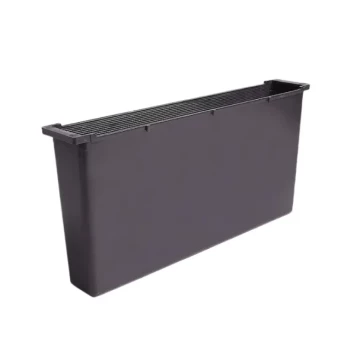
- HONESTBEE Professional Hive Top Bee Feeder Feeding Solution
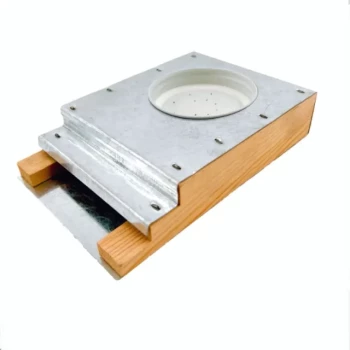
- Boardman Entrance Bee Feeder Durable Galvanized Steel and Wood Construction for Beekeeping
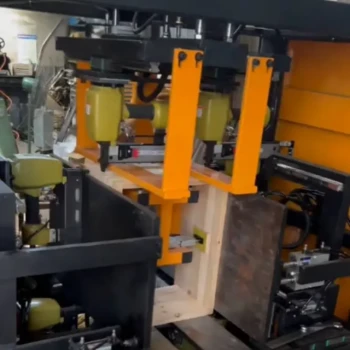
- Automatic High-Speed Bee Hive Box Stapling Machine
- HONESTBEE Entrance Bee Feeder Professional Hive Nutrition Solution for Beekeeping
People Also Ask
- What types of bee feeders are available for beginners? Start with the Simple Entrance Feeder
- What are the advantages and disadvantages of using an entrance feeder for bees? Balance Convenience and Hive Security.
- What is a bee entrance feeder and what are its drawbacks? Essential Guide to Hive Security and Feeding Efficiency
- How does a bee entrance feeder work? A Simple Guide to Convenient Hive Feeding
- How to make an entrance feeder for bees? A DIY Guide for Safe & Effective Feeding