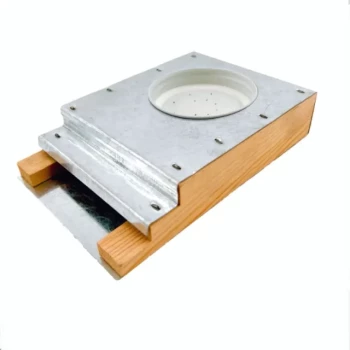
The use of feeding equipment during nectar dearth is a biological necessity for colony survival. When natural resources vanish, providing high-purity sugar syrup through specialized feeders mimics a natural nectar flow. This artificial intervention prevents the colony from starving, stops the bees from absconding (abandoning the hive), and signals the queen to continue egg-laying to maintain population levels.
Core Takeaway Honeybees regulate their population based on resource availability; without incoming food, they will cease reproduction or flee. Supplemental feeding is not just about keeping individual bees alive—it is a strategic tool to maintain the colony's demographic structure and ensure a robust workforce is ready for the next natural honey flow.
The Biological Impact of Supplemental Feeding
Preventing Colony Collapse and Absconding
The most immediate risk during a "dearth" (a period with no blooming flowers) is starvation. If the colony detects a total lack of resources, their survival instinct triggers them to abscond in search of better territory.
Using feeding equipment to provide sugar syrup acts as a stabilizing force. It convinces the colony that resources are still available, effectively anchoring them to the hive and ensuring the continued scale of your apiary operation.
Maintaining the Queen’s Egg-Laying Rates
The queen bee's reproductive rate is directly tied to the inflow of nectar. When natural foraging stops, the queen instinctively stops laying eggs to conserve resources.
By simulating a natural flow via feeders, you trick the colony's biology. This ensures the queen continues to lay eggs, preventing a population crash. Without this intervention, the colony would lack the "nurse bees" and younger generations required to sustain the hive.
Preparing for Future Yields
Successful beekeeping requires looking ahead to the next season. If a colony shrinks during a dry season, it will be too weak to gather nectar when the flowers finally bloom.
Supplemental feeding bridges this gap. It keeps the population density high, ensuring that when the next major nectar flow arrives, you have a massive workforce ready to maximize production immediately.
The Role of Specialized Equipment
Controlled Dosage and Consistency
You cannot simply dump sugar water into a hive; it requires regulation. Specialized feeding equipment allows for the delivery of feed in regular, controlled quantities.
This precision is vital for maintaining a steady simulation of nature. It prevents the "feast or famine" cycle that can stress the colony, ensuring a consistent nutritional baseline regardless of external weather conditions.
Delivering Medication and Nutrients
Feeder pots serve a dual purpose beyond simple caloric intake. They act as an effective medium for administering medications to treat bee diseases.
Furthermore, while sugar provides energy, equipment can also be used to deliver protein substitutes (like flour or pulse powder mixtures). This holistic approach ensures the bees remain healthy and disease-free during vulnerable periods.
Supporting Queen Breeding and Royal Jelly
For operations focused on breeding, feeding equipment is even more critical. It maintains the "nursing instinct" of the colony.
By simulating flow, you ensure nurse bees continue to secrete sufficient royal jelly. This is essential for the development of new queen cells, allowing breeding operations to continue even during non-ideal climatic conditions.
Understanding the Operational Trade-offs
The Requirement of Vigilance
While critical, supplemental feeding requires active management. It is not a "set and forget" solution; the equipment requires monitoring to ensure the syrup does not ferment or run out unexpectedly.
Resource Dependency
There is a logistical trade-off involved in simulating nature. The beekeeper must source high-purity sugar and maintain clean water supplies. Relying on artificial feeding shifts the burden of resource gathering from the bee to the beekeeper, increasing the operational cost and labor required during the off-season.
Making the Right Choice for Your Goals
To maximize the effectiveness of your apiary, align your feeding strategy with your specific operational targets.
- If your primary focus is Colony Survival: Prioritize consistent sugar syrup delivery immediately when natural forage disappears to prevent absconding.
- If your primary focus is Honey Production: Begin supplemental feeding well before the expected nectar flow to ensure a peak worker population is ready to forage.
- If your primary focus is Queen Rearing: Use feeders to provide a constant "simulated flow" to stimulate royal jelly secretion and maintain nursing behavior regardless of the season.
Consistency in supplemental feeding is the single most effective way to turn a season of scarcity into a foundation for future abundance.
Summary Table:
| Key Benefit | Biological Impact | Operational Value |
|---|---|---|
| Prevents Absconding | Stops bees from abandoning hives due to starvation. | Stabilizes apiary scale and colony count. |
| Maintains Population | Triggers queen egg-laying despite lack of natural nectar. | Ensures a robust workforce for the next honey flow. |
| Nutritional Delivery | Supplies essential energy and medication via syrup. | Facilitates disease control and colony health. |
| Queen Rearing | Stimulates nurse bees to produce royal jelly. | Allows for continuous breeding regardless of season. |
Maximize Your Apiary’s Productivity with HONESTBEE
Don't let nectar dearth periods compromise your commercial success. HONESTBEE provides professional-grade beekeeping tools and machinery designed for the rigors of commercial apiaries and distributors. From precision feeding equipment to advanced hive-making and honey-filling machines, our comprehensive wholesale offering ensures your colonies remain strong and your operations stay efficient.
Ready to scale your production? Contact us today to access premium beekeeping hardware, industry consumables, and specialized honey-themed merchandise tailored for global distributors.
References
- Teweldemedhn Gebretinsae Hailu, Alison Gray. High Rates of Honey Bee Colony Losses and Regional Variability in Ethiopia Based on the Standardised COLOSS 2023 Survey. DOI: 10.3390/insects15060376
This article is also based on technical information from HonestBee Knowledge Base .
Related Products
- HONESTBEE Entrance Bee Feeder Efficient Hive Front Liquid Feeding Solution for Beekeeping
- Rapid Bee Feeder White Plastic 2L Round Top Feeder for 8 or 10-Frame Bee Hives
- HONESTBEE Professional Hive Top Bee Feeder Feeding Solution
- Classic Boardman Entrance Bee Feeder Hive Front Feeding Solution
- Boardman Entrance Bee Feeder Durable Galvanized Steel and Wood Construction for Beekeeping
People Also Ask
- What types of bee feeders are available for beginners? Start with the Simple Entrance Feeder
- What are the advantages and disadvantages of using an entrance feeder for bees? Balance Convenience and Hive Security.
- What is a bee entrance feeder and what are its drawbacks? Essential Guide to Hive Security and Feeding Efficiency
- How does a bee entrance feeder work? A Simple Guide to Convenient Hive Feeding
- How to make an entrance feeder for bees? A DIY Guide for Safe & Effective Feeding