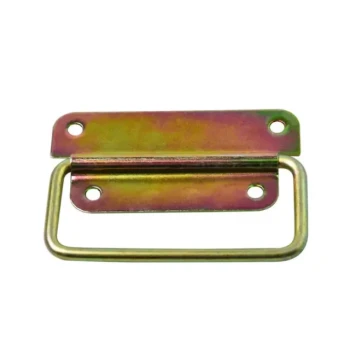
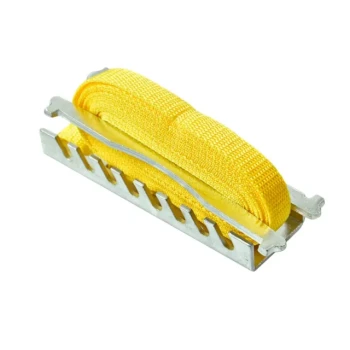
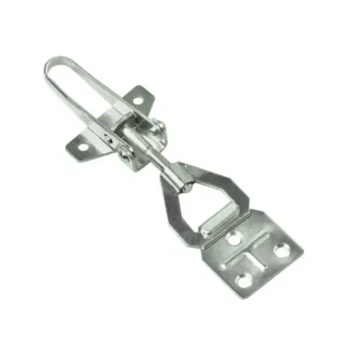
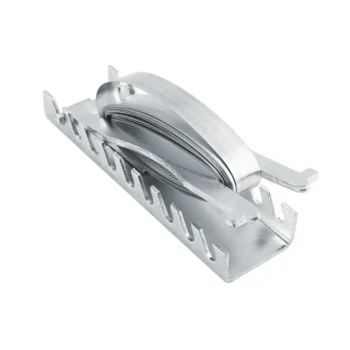
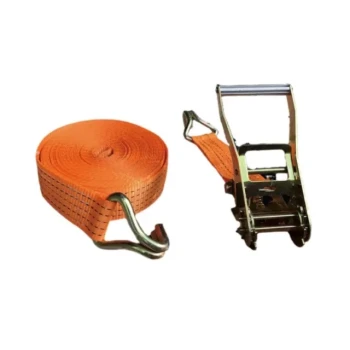
Structural integrity defines colony survival. The use of heavy-duty ropes or industrial-grade steel wires combined with X-type fasteners is essential because they transform a modular stack of loose wooden boxes into a single, rigid unit capable of withstanding significant external force. Without this mechanical reinforcement, a beehive on a stand is merely a precarious tower vulnerable to shifting, tipping, and catastrophic structural failure when subjected to impact.
The Core Insight A beehive is not naturally a single object; it is a collection of independent parts. The primary function of these fasteners is to mechanically bind the boxes and the stand into a cohesive unit, ensuring the colony remains secure against physical threats like large animals or heavy winds.
The Mechanics of Hive Stabilization
Creating a Unified Structure
Beehives consist of stacked components—brood boxes, supers, and covers—that generally rely on gravity for stability. Heavy-duty ropes and X-type fasteners provide the necessary tension to bind these independent components together.
This reinforcement ensures that the hive acts as a single, solid object rather than a loose stack of wood.
Resisting Lateral Forces
When a hive is placed on a stand, its center of gravity changes, potentially making it more susceptible to tipping. The application of X-type fasteners specifically targets resistance against "pushing and impact."
This configuration distributes tension effectively, preventing the boxes from sliding off one another when the hive is bumped or jostled.
Protecting Internal Components
Stability is not just about keeping the boxes upright; it is about preserving the delicate architecture inside. By preventing the hive from overturning, you protect the internal frames from collapsing or crushing the bees.
Defending Against External Threats
Deterring Large Animals
A major reason for heavy-duty reinforcement is protection against large animals. The primary reference highlights that this equipment is critical for resisting force from these intruders.
If an animal attempts to push the hive, the steel wires or ropes ensure the hive resists the impact, denying the predator easy access to the colony.
Securing the Elevated Position
While the stand itself provides critical benefits—such as airflow and protection from ground moisture—it creates a mechanical vulnerability by raising the load.
The ropes compensate for this elevation, ensuring that the benefits of the stand (ventilation and rot prevention) are not negated by the risk of the hive falling over.
Common Pitfalls to Avoid
Neglecting the "X" Pattern
Simply tying a rope around a hive is often insufficient. X-type fasteners are specified because they likely provide diagonal bracing or superior tension distribution compared to a simple loop.
Failing to use the correct fastening pattern can leave the hive susceptible to "racking" or twisting under pressure.
Relying Solely on Gravity
A common mistake is assuming that the weight of the hive boxes is enough to keep them on the stand.
While heavy, honey-filled boxes can still easily shift or slide off a stand if not mechanically secured, especially during storms or animal attacks.
Making the Right Choice for Your Goal
To ensure your apiary is both healthy and secure, apply these principles based on your specific environmental risks:
- If your primary focus is Physical Security (Predators/Wind): prioritize heavy-duty ropes and X-type fasteners to lock the hive bodies together, creating a unified structure that resists tipping and impact.
- If your primary focus is Colony Health (Moisture/Ventilation): utilize a stainless steel or brick stand to elevate the hive, preventing ground moisture transfer and ensuring proper airflow.
Ultimately, the stand protects the hive from the ground, but the ropes protect the hive from the world.
Summary Table:
| Feature | Purpose | Benefit |
|---|---|---|
| Heavy-Duty Ropes | Provides vertical tension | Binds independent boxes into a single, cohesive unit. |
| X-type Fasteners | Diagonal bracing | Resists lateral forces and prevents sliding or tipping. |
| Structural Reinforcement | Mechanical binding | Protects internal frames from collapsing during impact. |
| Industrial Steel Wires | High-tensile strength | Deters large animal intruders and withstands heavy winds. |
Secure Your Apiary with HONESTBEE Professional Equipment
Protecting your colony starts with the right structural support. At HONESTBEE, we specialize in empowering commercial apiaries and distributors with high-performance beekeeping tools and machinery. Whether you need heavy-duty hive hardware to resist environmental threats or advanced hive-making and honey-filling machines to scale your operations, we provide the comprehensive wholesale solutions your business requires.
Maximize your apiary's resilience and efficiency today. Contact HONESTBEE for a custom quote and wholesale catalog!
References
- Arnaud Léonard Jean Desbiez, Mariana Labão Catapani. Bee careful! Conflict between beekeepers and giant armadillos (Priodontes maximus) and potential ways to coexist. DOI: 10.2305/iucn.ch.2020.edentata-20-1.2.en
This article is also based on technical information from HonestBee Knowledge Base .
Related Products
- Durable Plastic Interlocking Hive Connector for Beekeeping
- Ergonomic Plastic Frame Spacer Tool for Rapid Hive Management Beekeeping
- Professional Galvanized Steel Frame Rest for Beehives
- Durable Galvanized Steel Frame Grip
- Stainless Steel Bee Hive Frame Wire for Beekeeping
People Also Ask
- How do plastic bee hives compare to wooden hives in handling? Reduce Strain & Boost Efficiency
- Are plastic bee hives any good? Unlock Durability & Efficiency for Your Apiary
- Under what circumstance are beehive connectors particularly beneficial? Optimize Handling for Full Beehive Attachments
- Are plastic bee hives good? Durable, Low-Maintenance Hives for Modern Apiaries
- What is the advantage of using the beehive connector when handling full attachments? Achieve Safe and Efficient Hive Transport