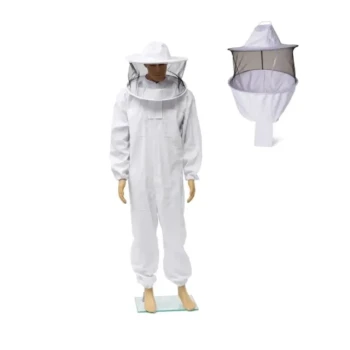
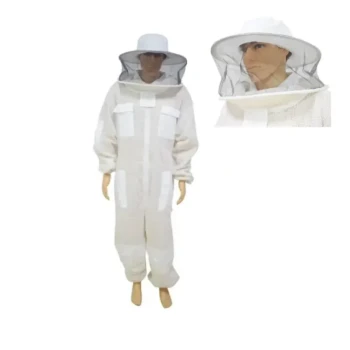
The manual removal of Vespa velutina nests poses a direct threat to human life. Because the stingers of these hornets can trigger severe allergic reactions, the use of high-grade professional bee suits is mandatory to ensure the physical isolation of the operator from the colony.
Manual nest removal is classified as a high-risk task. Professional-grade suits are not optional accessories; they are essential safety barriers engineered to prevent life-threatening injuries during these volatile operations.
The Nature of the Threat
Severe Allergic Potential
The primary driver for mandatory protection is the biological risk. Vespa velutina stingers are capable of delivering venom that causes severe human allergic reactions.
For an unprotected or poorly protected operator, a defensive swarm response during removal could result in a medical emergency.
High-Risk Operational Context
Manual removal brings the operator into immediate proximity with the colony. This is inherently a high-risk task due to the aggressive nature of the defense mechanism.
Standard clothing or lower-grade protective gear fails to provide the necessary security margin against multiple stings.
The Engineering of Defense
Puncture-Resistant Materials
High-grade suits are constructed from specialized puncture-resistant materials.
These fabrics are specifically engineered to stop the hornet's stinger from penetrating through to the skin, neutralizing the primary weapon of the insect.
Complete Physical Isolation
Material strength alone is insufficient; the integrity of the suit is equally critical.
Professional suits feature sealed designs that ensure there are no gaps or openings. This provides total physical isolation, preventing hornets from entering the suit and becoming trapped against the operator's body.
Understanding the Trade-offs
Equipment as Consumables
It is critical to view these suits as safety consumables, not permanent assets.
Because they are subjected to high-stress environments and potential damage during operations, their protective qualities must be constantly evaluated. Relying on worn or damaged gear negates the safety benefits.
The Necessity of "High-Grade"
There is no middle ground in this specific application.
While lighter, cheaper suits exist for standard beekeeping, they lack the specialized construction required for Vespa velutina. The trade-off for safety is the strict requirement for heavy-duty, professional-grade equipment, which may be more expensive and cumbersome but is non-negotiable for survival.
Making the Right Choice for Your Goal
When planning a removal operation, your equipment choice dictates your safety margin.
- If your primary focus is Operator Safety: Prioritize suits with certified puncture resistance and fully sealed closures to eliminate the risk of stings.
- If your primary focus is Risk Management: Treat bee suits as consumables, regularly inspecting and replacing them to maintain the integrity of the physical isolation barrier.
Invest in the highest grade of protection available, as the cost of failure is severe injury.
Summary Table:
| Feature | Standard Bee Suits | High-Grade Professional Suits |
|---|---|---|
| Material Purpose | General beekeeping | Certified puncture-resistance |
| Threat Level | Honeybees (Mild/Moderate) | Vespa velutina (High/Lethal) |
| Suit Integrity | Basic closures | Fully sealed, zero-gap design |
| Venom Defense | Minimal barrier | Maximum physical isolation |
| Risk Category | Low to Medium | High-risk/Emergency response |
Secure Your Apiary with Professional-Grade Protection
Removing Vespa velutina nests demands equipment that never fails. HONESTBEE provides commercial apiaries and distributors with the heavy-duty, professional-grade bee suits and specialized beekeeping tools necessary to manage high-risk operations safely.
From advanced protective gear to specialized honey-filling and hive-making machinery, we offer a comprehensive wholesale portfolio to support your business and protect your team. Don't compromise on safety—contact us today to source the industry's most reliable equipment and essential consumables.
References
- Krystal L. Ashman, Cameron Jack. Yellow-Legged Hornet (suggested common name), Vespa velutina (Lepeletier 1836) (Insecta: Hymenoptera: Vespidae). DOI: 10.32473/edis-in1282-2020
This article is also based on technical information from HonestBee Knowledge Base .
Related Products
- Professional Cotton Beekeeper Suit with Round Veil Design for Commercial Apiaries
- Professional Beekeeper Suit with Square Folding Cotton Veil
- Premium Cotton Beekeeper Suit with Reinforced Fencing Veil
- Premium Three Layer Ventilated Bee Suit with Round Veil
- Professional Beekeeping Suit for Kids and Girls Childrens Bee Keeper Suit
People Also Ask
- What material and design specifications are recommended for a high-quality beekeeper suit? Top Gear Selection Guide
- How to Pre-treat Propolis Stains on Beekeeping Suits? Master Advanced Fabric Care and Soil Removal
- Why is it important to keep a beekeeping suit clean? Essential Safety & Maintenance Tips
- Is it generally safe to wash a beekeeping suit in a washing machine? Maintain Your Safety Gear Properly
- What are the primary functional requirements for a beekeeping suit to ensure user safety? Professional Sourcing Guide