The primary preference for the Western Honey Bee (Apis mellifera) in Indian commercial beekeeping stems from its unique combination of high biological productivity and ease of management. Specifically, this species offers superior honey yields, a docile temperament, and robust colony maintenance capabilities, making it the ideal engine for transforming beekeeping from a small-scale activity into a standardized agricultural industry.
The Core Insight While native species exist, Apis mellifera is the catalyst for industrial-scale apiculture. Its predictable behavior and high output allow operators to transition from fragmented, wild honey collection to a stable, export-ready production model.
The Biological Advantage
To understand the preference for Apis mellifera, one must look at how its biological traits directly translate into commercial metrics.
High Honey Yields
The most immediate driver for commercial adoption is production volume. Apis mellifera exhibits high honey yields that significantly outperform other options.
For commercial operations where profit margins rely on volume, this high output is the fundamental baseline requirement.
Docile Temperament
Unlike many wild or aggressive native species, Apis mellifera is noted for its docile nature.
This temperament significantly lowers the risk for beekeepers, allowing for faster, safer, and more frequent interactions with the hive without disrupting the colony's productivity.
Strong Colony Maintenance
This species possesses an innate ability to maintain strong, healthy colonies.
Their capacity for self-maintenance reduces the labor burden on the beekeeper and ensures the long-term viability of the hive, which is critical for multi-season commercial operations.
Enabling Industrial-Scale Operations
The preference for this bee goes beyond biology; it is about how the bee integrates with modern agricultural infrastructure.
Facilitating Standardization
The behavior of Apis mellifera is perfectly suited for standardized bee hives.
By utilizing uniform hive specifications, beekeepers can create a controlled artificial habitat. This standardization is impossible with many wild species but is essential for scaling operations.
Efficiency in Management
Because these bees adapt well to artificial hives, operators can implement efficient workflows.
Standardization allows for easier swarm capture and streamlined routine maintenance. It transforms beekeeping from a foraging activity into a manageable, systematic process.
Monitoring and Stability
Commercial agriculture requires predictability. The combination of Apis mellifera and standardized housing allows for precise monitoring of productivity.
This ensures the stability of the production process, allowing operators to forecast yields and meet the consistent demands of the export market.
Understanding the Trade-offs
While Apis mellifera is the preferred choice, successful implementation requires a shift in methodology.
The Necessity of Controlled Habitats
You cannot manage Apis mellifera effectively using traditional, fragmented methods. The species thrives only when provided with controlled artificial habitats.
Complexity of Intensive Apiculture
Adopting this species signifies a move toward intensive apiculture.
This requires a commitment to using specific, uniform equipment and performing routine maintenance. It is a more resource-intensive approach compared to simple wild honey collection, requiring higher initial investment in infrastructure and management time.
Making the Right Choice for Your Goal
The decision to utilize Apis mellifera depends on the scale and intent of your operation.
- If your primary focus is Commercial Scale: Prioritize Apis mellifera to maximize honey yields and leverage standardized equipment for efficiency.
- If your primary focus is Export Growth: Utilize this species to ensure the consistent, high-volume production levels required by international markets.
- If your primary focus is Operational Stability: Adopting this species allows you to move away from unpredictable wild collection toward a controllable, manageable agricultural process.
Ultimately, Apis mellifera is the definitive choice for any operation aiming to professionalize honey production and achieve industrial efficiency.
Summary Table:
| Feature | Apis mellifera (Western Honey Bee) | Impact on Commercial Operations |
|---|---|---|
| Honey Yield | Exceptionally High | Maximizes profit margins and production volume |
| Temperament | Docile & Manageable | Reduces labor risk and allows frequent inspections |
| Housing | Adapts to Standardized Hives | Enables industrial scaling and easy swarm capture |
| Maintenance | Strong Colony Self-Maintenance | Lowers long-term labor costs and improves stability |
| Suitability | Intensive/Export-Scale Apiculture | Ideal for meeting global market demands & predictability |
Elevate Your Beekeeping Operation with HONESTBEE
Transitioning to high-yield commercial apiculture requires more than just the right bees—it requires professional-grade infrastructure. HONESTBEE empowers commercial apiaries and distributors with a comprehensive wholesale range of beekeeping tools, specialized machinery, and essential consumables.
From standardized hive-making equipment to precision honey-filling machines and unique honey-themed cultural merchandise, we provide everything you need to scale your production and meet international standards.
Ready to professionalize your honey production? Contact HONESTBEE today to discover how our industrial-grade equipment can transform your efficiency and output.
References
- G.S. Makkar, M. Gill. Beekeeping: The Future Growth Engine for Indian Farmers. DOI: 10.1080/0005772x.2010.11417358
This article is also based on technical information from HonestBee Knowledge Base .
Related Products
- Galvanized Beekeeping Smoker for Honey Bee and Apiculture
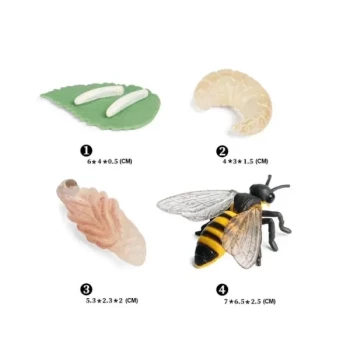
- Honey Bee Life Cycle Model 4 Stage Educational Set for Kids Learning
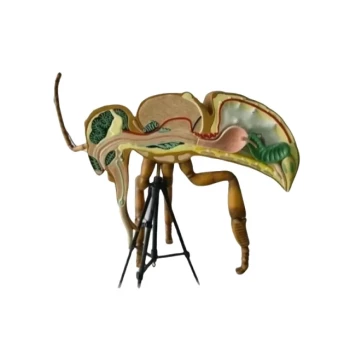
- HONESTBEE Anatomy Bee Model Detailed Anatomical Display for Education and Study
- Honey Bee Lifecycle Model: A Detailed Honeycomb Display of Bee Development
- HONESTBEE Professional Hive Top Bee Feeder Feeding Solution
People Also Ask
- What is the primary function and mechanism of beekeeping smokers? Enhance Hive Safety and Harvesting Efficiency
- What is a beekeeping smoker and what are its components? A Guide to Essential Hive Management
- What is the function of a beekeeping smoker during the harvesting and processing of Apis florea combs? | Expert Guide
- What is the function of a beekeeping smoker? Enhance hive safety and specimen collection with professional precision.
- How does smoke from a beekeeping smoker affect honeybees? Master Hive Control with Science