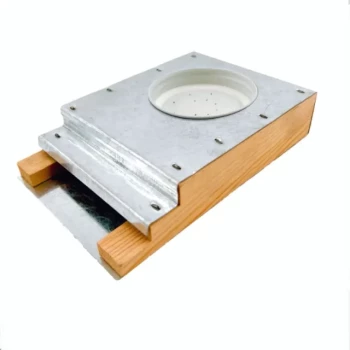
A pollen feeder is a critical management tool for ensuring colony health and growth. It allows a beekeeper to provide a necessary protein source that nourishes young bees and accelerates brood production, specifically when honey or nectar alone cannot meet the hive's nutritional needs.
By supplementing natural forage, a pollen feeder bridges the gap between a surviving colony and a thriving one, ensuring young bees have the protein required for development even during resource scarcity.
The Biological Necessity of Protein
Protein vs. Energy
It is vital to distinguish between energy and growth. Honey and nectar provide carbohydrates (energy), but they are insufficient for development on their own.
Nourishing the Next Generation
Pollen provides the protein required to rear young bees. Without this protein source, the colony cannot effectively raise new brood to replace dying workers.
Balancing the Diet
Even when natural forage is available, it may lack specific nutrients. A pollen feeder allows you to provide a balanced protein supplement, ensuring the colony receives a complete nutritional profile regardless of local flora limitations.
Strategic Advantages in Hive Management
Accelerating Brood Production
The presence of pollen stimulates the colony to rear more brood. Using a feeder is particularly effective for jumpstarting growth in the early spring or maintaining population levels during a nectar dearth.
Strengthening Weak Colonies
Colonies that enter winter or spring in a weakened state face a high risk of collapse. A pollen feeder delivers the resources necessary to strengthen these colonies, preparing them for the rigors of winter survival or the demands of spring foraging.
Operational Benefits of Dry Feeders
Reducing Preparation Time
Using a dry pollen feeder is generally more efficient than mixing and applying pollen patties. It requires significantly less preparation, allowing you to manage more hives in less time.
Minimizing Disturbance
Perhaps the greatest operational advantage is the ability to feed without intrusion. Dry feeders often allow you to replenish supplies without suiting up or opening the hive. This reduces stress on the colony and simplifies the workflow for the beekeeper.
Common Distinctions and Pitfalls
Pollen vs. Sugar Syrup
Do not confuse a pollen feeder with a standard "bee feeder." A standard bee feeder typically delivers sugar water, which provides the energy needed to build comb and fuel flight.
Differing Nutritional Goals
Sugar syrup mimics nectar, while pollen substitutes mimic natural pollen. If your goal is comb building and energy, use syrup. If your goal is brood rearing and population growth, you must use a pollen feeder.
Making the Right Choice for Your Goal
To determine how best to utilize a pollen feeder, consider your immediate objectives:
- If your primary focus is rapid population growth: Deploy pollen feeders in early spring to accelerate brood production before natural sources are abundant.
- If your primary focus is efficient management: Opt for a dry pollen feeder to minimize the time spent suiting up and disturbing the hive structure.
- If your primary focus is winter survival: Use feeders to strengthen weak colonies in the fall, ensuring they have the population density required to survive the cold.
Strategic feeding transforms a colony's reliance on nature into a managed, predictable growth curve.
Summary Table:
| Feature | Pollen Feeder (Protein) | Sugar Feeder (Energy) |
|---|---|---|
| Primary Goal | Brood rearing & population growth | Comb building & flight energy |
| Core Nutrient | Protein & amino acids | Carbohydrates (Sugar) |
| Best Used When | Early spring or nectar dearth | Establishing new hives or winter prep |
| Impact | Nourishes young bees & larvae | Fuels adult bee activity |
| Management | Often external (minimized disturbance) | Usually internal (requires hive opening) |
Elevate Your Apiary Productivity with HONESTBEE
Strategic feeding is the difference between a surviving colony and a thriving commercial operation. At HONESTBEE, we specialize in supporting commercial apiaries and distributors with a comprehensive wholesale range of professional-grade beekeeping tools.
Whether you need efficient pollen feeders to jumpstart spring growth, high-capacity honey-filling machines, or specialized hive-making machinery, we provide the durable hardware and essential consumables you need to scale your business.
Ready to optimize your honey production and colony health? Contact us today to discuss our wholesale offerings and discover how our expertise can streamline your beekeeping operations.
Related Products
- Removable Plastic Pollen Trap With Ventilated Tray for Bees Pollen Collector
- Plastic Bee Pollen Trap Strips Comb Catcher Collector
- 30 cm Plastic Entrance Hole Bee Pollen Trap and Collector
- Stainless Steel Pollen Shovel with Wooden Handle
- HONESTBEE Entrance Bee Feeder Efficient Hive Front Liquid Feeding Solution for Beekeeping
People Also Ask
- What are the design principles and advantages of pollen traps in the collection of bee pollen? Boost Your Apiary Yield
- What is the function of professional pollen traps in evaluating honey plants? Quantifying Pollination and Crop Potential
- What functions do pollen traps serve for bee bread production? Optimize Your Raw Material Collection
- What maintenance and pest prevention measures should be taken for pollen traps? Protect Your Hive and Harvest Quality
- How does the use of pollen traps in honeybee hives enhance crop fertilization? Boost Your Yield Through Induced Activity