Commercial beekeepers can use pollen traps as a temporary interception and monitoring measure during agricultural fungicide spraying. Install the trap at the hive entrance before or during the spray-risk period so returning workers shed pollen loads into the collection drawer instead of bringing them into the hive. Remove and destroy the collected pollen, then provide clean pollen patties or a suitable protein substitute to support brood rearing.
Pollen traps can reduce the amount of potentially contaminated pollen entering the colony, but they are not a complete pesticide-exposure barrier. Their value is greatest when combined with spray coordination, rapid removal of trapped material, clean supplemental nutrition, and residue monitoring.
How Pollen Traps Reduce Colony Exposure
Intercepting pollen at the hive entrance
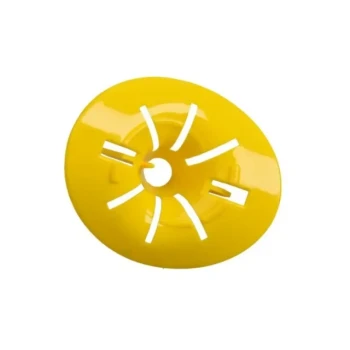
A pollen trap uses a mechanical grid or aperture system to scrape pollen pellets from the hind legs of returning worker bees. The pellets fall into a collection drawer before they can be stored in comb as bee bread.
This makes the trap a practical physical interception point between agricultural fields and the colony’s food stores.
Protecting bee bread and colony nutrition
Pollen collected from sprayed crops may carry fungicide residues back to the hive. If it enters the comb, it can alter the beneficial microbial balance of bee bread and may compromise colony immunity.
Removing incoming pollen during the spraying period helps limit the accumulation of potentially contaminated material in stored colony feed.
Recognizing what the trap cannot intercept
A pollen trap only targets pollen carried by returning foragers. It does not remove contaminated pollen that has already entered the hive, nor does it prevent exposure through nectar, water, direct contact with spray deposits, or residues brought in before the trap was installed.
For that reason, trapping should be treated as a risk-reduction tool, not as a substitute for communication with growers and responsible spray management.
A Practical Operating Procedure
Coordinate with agricultural spraying schedules
Commercial operators should obtain accurate information about nearby fungicide applications, including the expected date, crop location, and duration of the spraying activity. This allows traps to be installed before high-risk foraging begins.
Where possible, beekeepers should also coordinate hive placement and temporary foraging restrictions with growers and applicators. Reducing field exposure is more effective than relying on entrance interception alone.
Install the correct trap configuration
Pollen traps may be configured for internal or external installation, but both types must be securely fitted to the hive entrance and aligned with the colony’s normal traffic path. The grid should mechanically remove pollen loads without creating unnecessary obstruction.
For large apiaries, consistent trap design and standardized installation procedures simplify inspection, collection, cleaning, and replacement.
Inspect and empty collection drawers frequently
Trapped pollen should be removed promptly during the spraying period. Leaving material in the drawer creates a risk that it may be disturbed, re-collected, contaminated further, or returned to the colony.
Potentially contaminated pollen should be segregated, clearly identified, and destroyed rather than sold, processed, or used for colony feed.
Supply clean replacement nutrition
Because the trap removes a portion of the pollen entering the hive, colonies may experience a protein shortage, particularly when brood production is high. Provide uncontaminated pollen patties or an appropriate protein substitute to maintain brood rearing.
Replacement feed should come from a controlled, reliable source. Do not use pollen collected from the same risk area unless it has been assessed and confirmed suitable.
Manage Colony Stress While Trapping
Use bypass periods when appropriate
Entrance traps can cause congestion and may encourage bees to return with smaller pollen loads. This can reduce the colony’s effective protein intake and place additional stress on brood production.
Trap designs with a bypass mechanism are preferable for commercial use. A practical operating approach described in the references is to disengage or bypass the collection grid roughly every third day, allowing several consecutive days of unrestricted pollen collection.
Match trap use to colony conditions
Avoid treating every colony identically. Colonies with heavy brood demand, weak populations, poor weather conditions, or limited alternative forage may require shorter trapping periods and more supplemental nutrition.
Monitor brood pattern, pollen stores, adult bee traffic, and signs of congestion throughout the intervention.
Maintain normal hive ventilation and access
The trap should not significantly restrict hive entry, ventilation, or the movement of workers. Congestion at the entrance can interfere with normal colony activity and may increase stress during warm conditions.
A trap that is difficult to clean, frequently blocks, or cannot be bypassed efficiently may be unsuitable for intensive commercial deployment.
Use Trapped Pollen for Exposure Monitoring
Preserve representative samples
Although collected pollen should not be fed back to colonies, it can provide useful evidence about what bees encountered in the surrounding landscape. Label samples by apiary, hive group, date, crop area, and spray period.
This creates a time-linked record that can support discussions with growers, applicators, agronomists, and regulators.
Test for pesticide residues when decisions require evidence
Pollen samples can be analyzed to identify plant sources and quantify pesticide residues. Techniques such as LC-MS/MS may be used by qualified laboratories to measure relevant contaminants.
Testing is most valuable when it follows a defined sampling plan. Randomly collected samples may show exposure, but consistent dates and locations make results more useful for operational decisions.
Use results to improve future placement
If testing indicates repeated contamination near a particular crop or spray window, the beekeeper can adjust hive placement, modify the trapping schedule, strengthen grower coordination, or plan temporary relocation for future seasons.
The purpose of monitoring is not merely to document contamination; it is to improve the next management decision.
Understanding the Trade-offs
Traps do not eliminate all pesticide exposure
Pollen interception reduces one exposure pathway, but bees may still contact residues in the field or bring other contaminated materials into the colony. A trap therefore cannot guarantee that the colony is protected from fungicides.
Use trapping as one layer in an integrated exposure-reduction plan.
Pollen collection can reduce protein availability
The same pollen that may be contaminated is also an essential source of protein, lipids, vitamins, and minerals for the colony. Removing it without replacement can impair brood development and weaken colony performance.
Clean supplemental feed is not optional when trapping substantially limits natural pollen intake.
Entrance obstruction can affect productivity
Poorly designed or improperly managed traps can cause congestion, alter foraging behavior, and increase labor requirements. Frequent inspection and scheduled bypass periods are necessary for commercial use.
The lowest-cost trap is not necessarily the most economical choice if it increases colony stress or requires excessive handling.
Contaminated pollen must be managed responsibly
Collected pollen should not enter the commercial bee-pollen supply chain. It should be kept separate from marketable product and destroyed according to applicable local waste-handling requirements.
Commercial operators should maintain clear traceability so potentially contaminated material cannot be confused with product intended for sale or feed use.
Making the Right Choice for Your Goal
Select equipment and operating procedures based on the specific outcome you need from the intervention.
- If your primary focus is reducing fungicide-contaminated pollen entering the hive: Install a suitable entrance trap during the identified spray-risk period, remove and destroy collected pollen promptly, and provide clean supplemental protein.
- If your primary focus is maintaining brood health: Use bypass-capable traps, schedule regular unrestricted collection periods, and monitor brood development and pollen stores closely.
- If your primary focus is documenting agricultural exposure: Preserve dated, location-specific pollen samples and arrange qualified residue and plant-source analysis where appropriate.
- If your primary focus is managing multiple commercial apiaries: Standardize trap specifications, spare parts, installation procedures, inspection intervals, labeling, and rapid replenishment through a dependable supplier.
With disciplined timing, clean replacement nutrition, responsible sample handling, and reliable equipment support, pollen traps can become an effective component of commercial colony protection.
Summary Table:
| Strategy | Implementation | Benefit |
|---|---|---|
| Install pollen traps before spraying | Fit trap at hive entrance during high-risk periods | Intercepts contaminated pollen before storage |
| Frequent emptying and disposal | Remove and destroy trapped pollen regularly | Prevents re-contamination and colony exposure |
| Provide clean supplemental feed | Use uncontaminated pollen patties | Maintains brood nutrition during trapping |
| Coordinate with spray schedules | Communicate with growers for timing | Reduces field exposure and enhances trap effectiveness |
| Use bypass periods | Disengage trap every 3rd day | Allows natural pollen intake and reduces stress |
| Monitor residues via samples | Label and test trapped pollen | Informs future management decisions |
Protect your colonies with reliable pollen traps and expert guidance. Contact HONESTBEE for high-quality beekeeping equipment, rapid delivery, and dedicated support tailored to commercial apiaries and distributors. Our comprehensive range includes traps and full-spectrum supplies to enhance your operations.
Related Products
- Removable Plastic Pollen Trap With Ventilated Tray for Bees Pollen Collector
- 30 cm Plastic Entrance Hole Bee Pollen Trap and Collector
- Plastic Bee Pollen Trap Strips Comb Catcher Collector
- High-Efficiency Diamond Maze Bee Escape for Clearing Supers
- Professional Bucket Style Wasp and Moth Pheromone Trap
People Also Ask
- What are the design principles and advantages of pollen traps in the collection of bee pollen? Boost Your Apiary Yield
- What is the function of professional pollen traps in evaluating honey plants? Quantifying Pollination and Crop Potential
- What functions do pollen traps serve for bee bread production? Optimize Your Raw Material Collection
- What maintenance and pest prevention measures should be taken for pollen traps? Protect Your Hive and Harvest Quality
- How does the use of pollen traps in honeybee hives enhance crop fertilization? Boost Your Yield Through Induced Activity