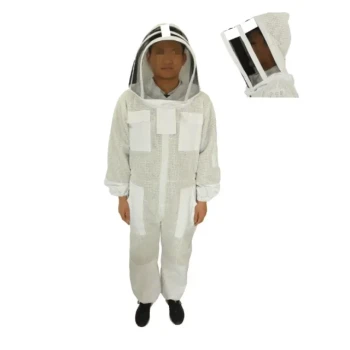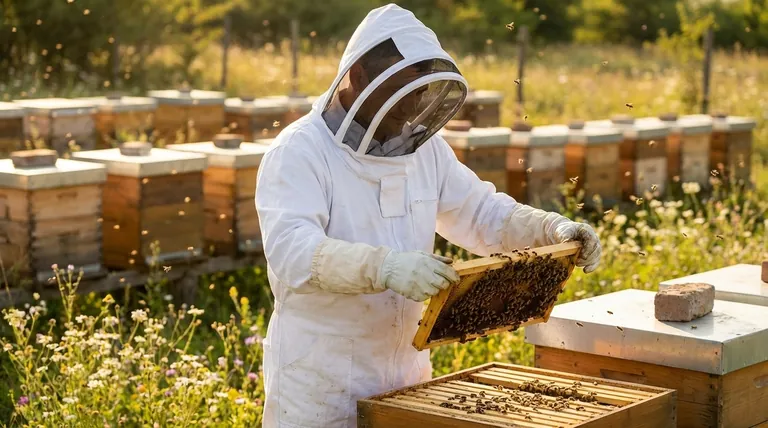
Beekeeping demands more than courage—it requires gear engineered to neutralize bee aggression while keeping you comfortable in any climate. This guide reveals how material science and bee biology converge in modern suits to reduce stings by over 90%, helping commercial beekeepers and distributors select durable, climate-optimized protection.
The Science Behind Bee Agitation and Suit Protection
Bees attack when they detect human stress signals and movement patterns. Understanding these triggers allows suit designers to create passive defense systems.
How Bees Detect Human Stress (Pheromones and Movement)
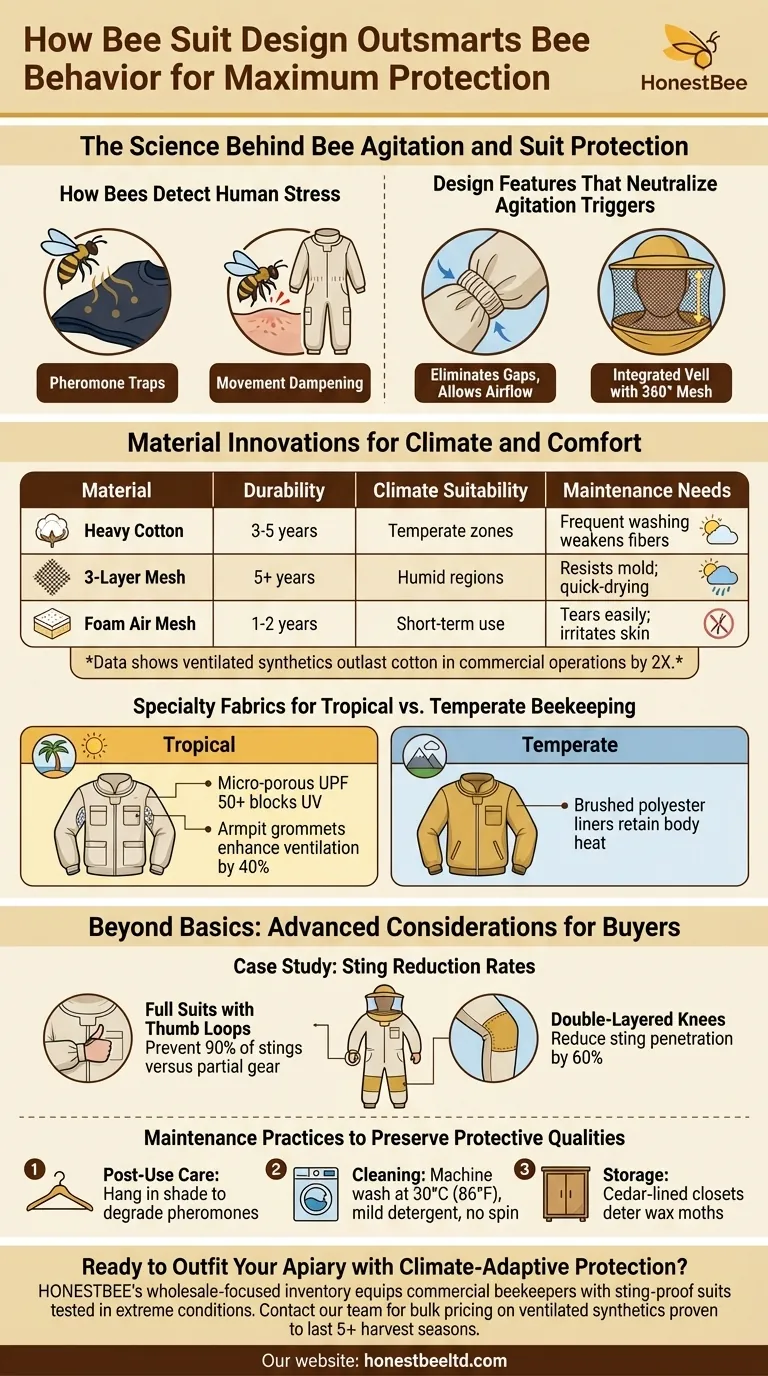
- Pheromone Traps: Dark-colored fabrics absorb alarm pheromones (isopentyl acetate) that agitated bees release to mark threats. Lighter suits show fewer pheromone stains, reducing repeated attacks.
- Movement Dampening: Loose fits prevent fabric from pressing against skin when swatting, as bees target compressed areas that mimic predator contact.
Design Features That Neutralize Agitation Triggers
- Elasticated Cuffs/Ankles: Eliminate gaps where bees could crawl inside while allowing airflow—critical during hive inspections lasting hours.
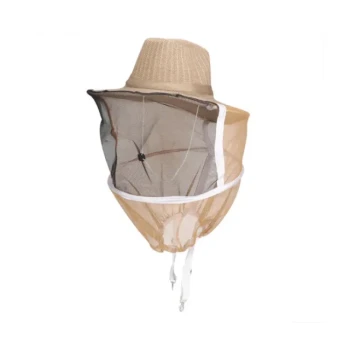
- Integrated Veils with 360° Mesh: Prevent bees from clustering near the face by maintaining 3-5 inches of space between netting and skin.
Material Innovations for Climate and Comfort
Not all suits handle tropical heat or alpine mornings equally. Fabric selection balances durability with microenvironment control.
Cotton vs. Ventilated Synthetics: Durability and Airflow Trade-offs
| Material | Durability | Climate Suitability | Maintenance Needs |
|---|---|---|---|
| Heavy Cotton | 3-5 years | Temperate zones | Frequent washing weakens fibers |
| 3-Layer Mesh | 5+ years | Humid regions | Resists mold; quick-drying |
| Foam Air Mesh | 1-2 years | Short-term use | Tears easily; irritates skin |
Data shows ventilated synthetics outlast cotton in commercial operations by 2X, despite higher upfront costs.
Specialty Fabrics for Tropical vs. Temperate Beekeeping
- Tropical: Micro-porous fabrics with UPF 50+ block UV rays while allowing heat escape. Look for armpit grommets enhancing ventilation by 40%.
- Temperate: Brushed polyester liners retain body heat during dawn inspections when bees are most defensive.
Beyond Basics: Advanced Considerations for Buyers
Commercial operators need data-driven durability and sting prevention metrics.
Case Study: Sting Reduction Rates in Different Suit Types
- Full Suits with Thumb Loops: Prevent 90% of stings versus partial gear by eliminating waist gaps where 70% of ingress occurs.
- Double-Layered Knees: Reduce sting penetration by 60% during prolonged kneeling—a vulnerability in single-layer suits.
Maintenance Practices to Preserve Protective Qualities
- Post-Use Care: Hang suits in shade to degrade residual pheromones; sunlight accelerates fabric fatigue.
- Cleaning: Machine wash at 30°C (86°F) with mild detergent. Avoid spin cycles that strain seams.
- Storage: Cedar-lined closets deter wax moths that chew through cotton suits in weeks.
Ready to Outfit Your Apiary with Climate-Adaptive Protection?
HONESTBEE’s wholesale-focused inventory equips commercial beekeepers with sting-proof suits tested in extreme apiary conditions. Contact our team for bulk pricing on ventilated synthetics proven to last 5+ harvest seasons.
Visual Guide
Related Products
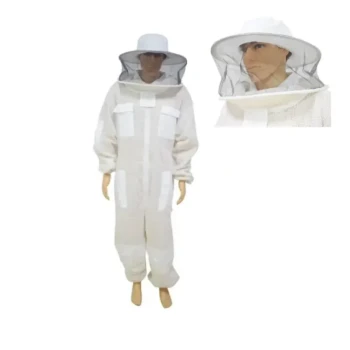
- Premium Three Layer Ventilated Bee Suit with Round Veil
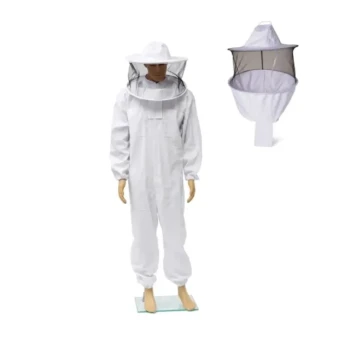
- Professional Cotton Beekeeper Suit with Round Veil Design for Commercial Apiaries
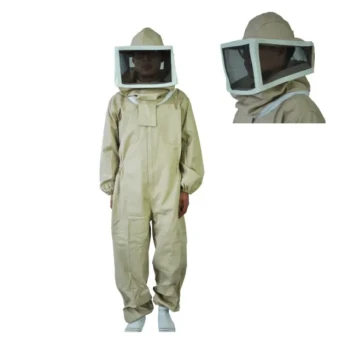
- Professional Beekeeper Suit with Square Folding Cotton Veil
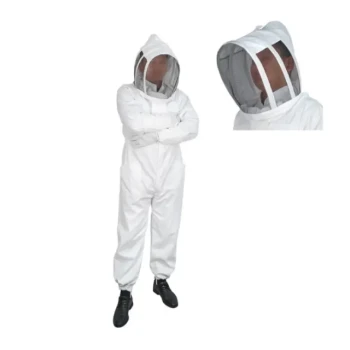
- Premium Cotton Beekeeper Suit with Reinforced Fencing Veil
- Professional Beekeeping Suit for Kids and Girls Childrens Bee Keeper Suit
Related Articles
- How to Choose Between Full and Partial Bee Suits: A Safety and Efficiency Guide
- The Physics of a Wasp Sting: Deconstructing Bee Suit Effectiveness
- The Scent of Danger: Why Bee Suit Maintenance is About Pheromones, Not Just Dirt
- How to Choose and Maintain a Bee Suit That Actually Prevents Stings
- The Confidence Barrier: Why Your First Bee Suit Is About Psychology, Not Just Protection