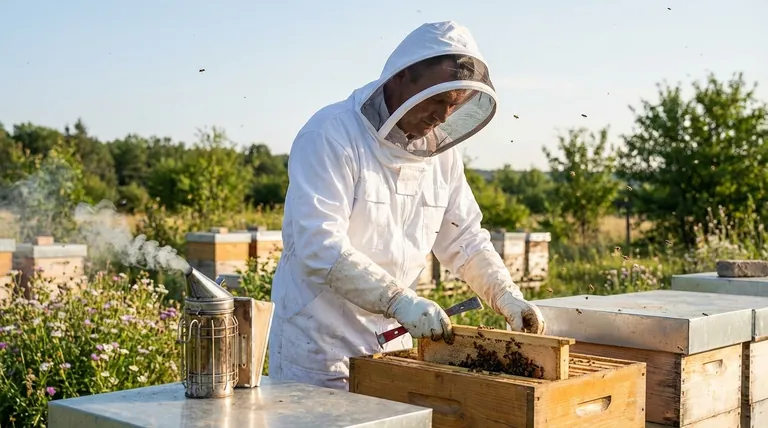
For beekeepers, a reliable bee suit isn’t just gear—it’s the frontline defense against painful stings. But not all suits offer equal protection. Understanding fabric technology, design nuances, and real-world performance can mean the difference between a productive hive inspection and a dangerous encounter. Here’s how to select and care for a bee suit that practically eliminates sting risks.
The Science of Bee Suit Protection
Fabric Technology: From Cotton to Ventilated Synthetics
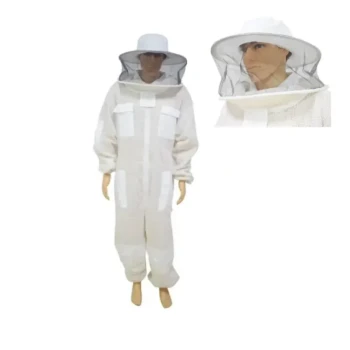
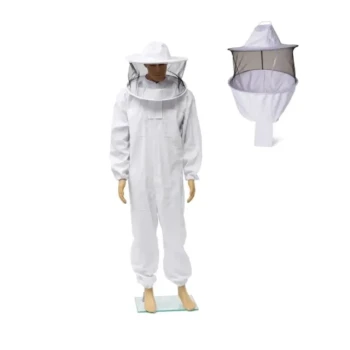
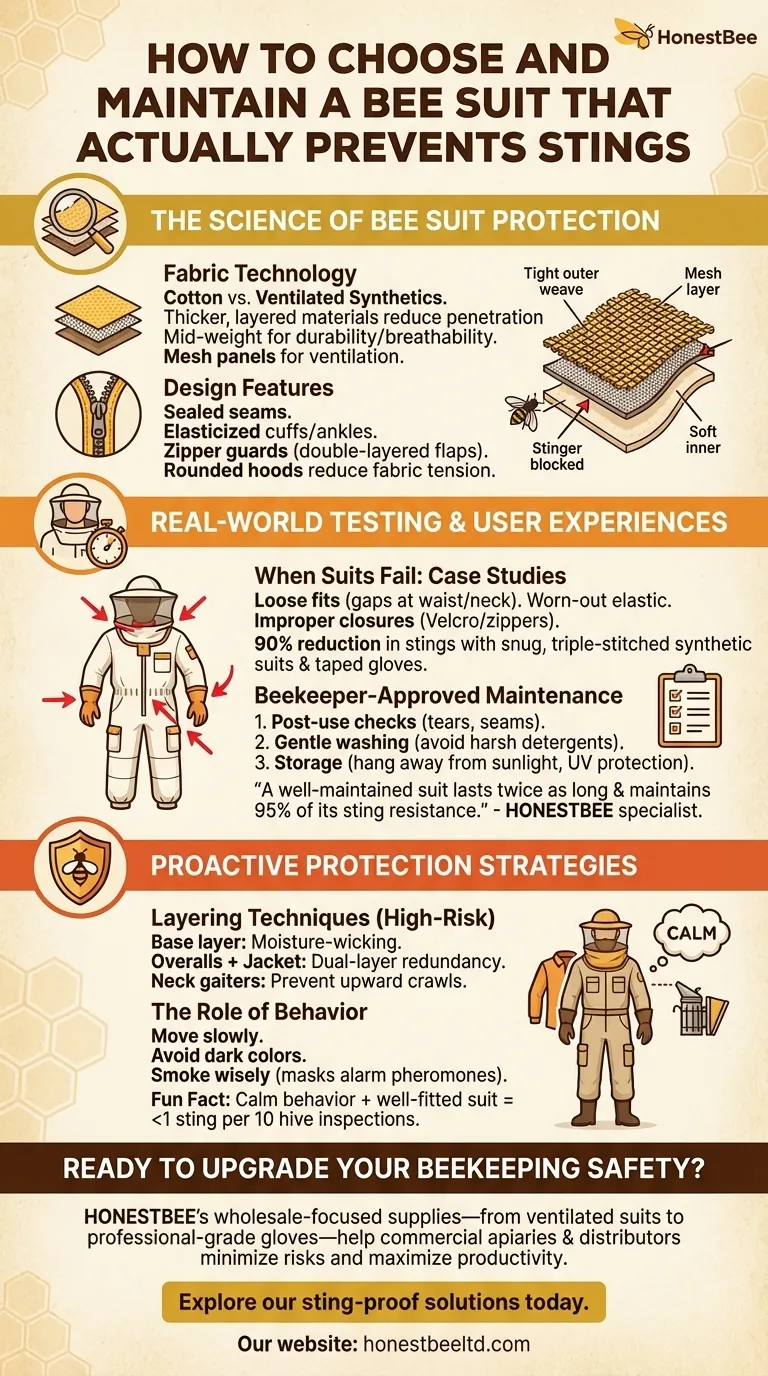
Traditional cotton suits provide basic coverage but lack sting resistance under pressure. Modern synthetic blends (like polyester-cotton mixes) offer tighter weaves that deter stingers, while ventilated fabrics prevent overheating without compromising safety. Research shows that thicker, layered materials reduce penetration risks by over 80% compared to single-layer options.
Key considerations:
- Weight: Mid-weight fabrics balance durability and breathability.
- Ventilation: Mesh panels in high-heat areas (armpits, back) improve comfort.
- Sting Resistance: Look for reinforced knees and elbows—common sting targets.
Design Features That Block Stingers (Not Just Bees)
A suit’s design determines whether bees find gaps to exploit. Critical features include:
- Sealed seams: Prevents bees from crawling inside.
- Elasticized cuffs/ankles: Creates a barrier against upward movement.
- Zipper guards: Double-layered flaps over zippers block entry points.
Pro Tip: Suits with rounded hoods (rather than angular ones) reduce fabric tension, making it harder for stingers to pierce through.
Real-World Testing and User Experiences
When Suits Fail: Case Studies of Sting Incidents
Even high-quality suits fail if improperly used. Common pitfalls:
- Loose fits: Bees exploit gaps at the waist or neck.
- Worn-out elastic: Aged suits lose tension, allowing access.
- Improper closures: Unsecured Velcro or zippers invite intrusions.
One commercial beekeeper reported a 90% reduction in stings after switching to a snug, synthetic suit with triple-stitched seams—but only after ensuring gloves were taped to sleeves.
Beekeeper-Approved Maintenance Routines
Extend your suit’s lifespan and effectiveness:
- Post-use checks: Inspect for tears, especially near seams.
- Gentle washing: Avoid harsh detergents that degrade fabric coatings.
- Storage: Hang suits away from sunlight to prevent UV damage.
"A well-maintained suit lasts twice as long and maintains 95% of its sting resistance," notes a HONESTBEE equipment specialist.
Proactive Protection Strategies
Layering Techniques for High-Risk Scenarios
For aggressive colonies or hive removals:
- Base layer: Moisture-wicking clothing reduces sweat-induced bee agitation.
- Overalls + Jacket: Dual-layer suits add redundancy.
- Neck gaiters: Extra fabric prevents upward crawls.
The Role of Behavior in Sting Prevention
Your actions matter as much as your gear:
- Move slowly: Sudden motions provoke defensive responses.
- Avoid dark colors: Bees associate dark hues with predators.
- Smoke wisely: Proper smoker use masks alarm pheromones.
Fun Fact: Beekeepers who pair calm behavior with well-fitted suits report fewer than 1 sting per 10 hive inspections.
Ready to upgrade your beekeeping safety? HONESTBEE’s wholesale-focused supplies—from ventilated suits to professional-grade gloves—help commercial apiaries and distributors minimize risks and maximize productivity. Explore our sting-proof solutions today.
Visual Guide
Related Products
- Premium Three Layer Ventilated Bee Suit with Round Veil
- Professional Cotton Beekeeper Suit with Round Veil Design for Commercial Apiaries
- Premium Cotton Beekeeper Suit with Reinforced Fencing Veil
- Professional Beekeeper Suit with Square Folding Cotton Veil
- Professional Beekeeping Suit for Kids and Girls Childrens Bee Keeper Suit
Related Articles
- How to Choose Between Full and Partial Bee Suits: A Safety and Efficiency Guide
- The Physics of a Wasp Sting: Deconstructing Bee Suit Effectiveness
- The Scent of Danger: Why Bee Suit Maintenance is About Pheromones, Not Just Dirt
- The Confidence Barrier: Why Your First Bee Suit Is About Psychology, Not Just Protection
- The Geometry of Fear: Why Your First Bee Suit Is a Psychological Decision, Not a Practical One