Colony collapse from starvation is a silent crisis in modern beekeeping. Unlike disease outbreaks, starvation often leaves no obvious traces—just empty hives and unanswered questions. This guide provides a field-tested protocol to distinguish starvation from other collapse causes and implement preventive strategies that build resilient apiaries.
Understanding Colony Collapse Without Honey Reserves
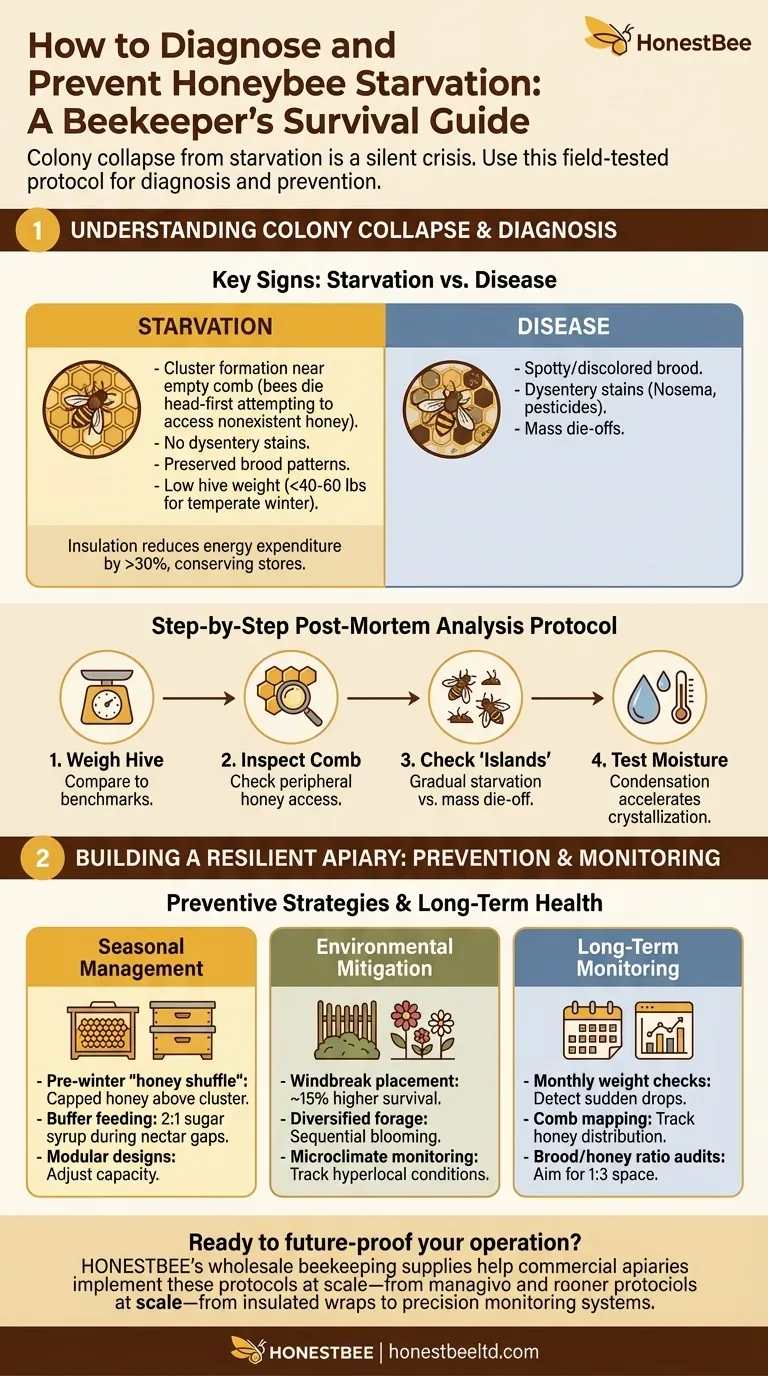
Key Signs of Starvation vs. Disease-Related Mortality
Starvation mimics some disease symptoms but has distinct hallmarks:
- Cluster formation near empty comb areas (bees die head-first in cells attempting to access nonexistent honey)
- Absence of dysentery stains (common in nosema or pesticide exposure)
- Preserved brood patterns (diseases often cause spotty or discolored brood)
- Low hive weight (colonies need about 40-60 lbs of honey reserves for temperate winters)
Research shows insulation plays a critical role in winter survival. Well-insulated hives reduce energy expenditure by over 30%, allowing bees to conserve honey stores longer.
Step-by-Step Post-Mortem Analysis Protocol
- Weigh the hive – Compare against seasonal benchmarks (spring hives should weigh 20% more than winter minimums).
- Inspect comb honey distribution – Starved colonies often have honey only in peripheral combs, inaccessible to the winter cluster.
- Check for "islands" of dead bees – Small groups dead between frames suggest gradual starvation versus mass die-offs from toxins.
- Test hive moisture levels – Condensation accelerates honey crystallization, making reserves unusable.
Building a Resilient Apiary
Seasonal Honey Storage Management Techniques
- Pre-winter "honey shuffle" – Rearrange frames in fall to position capped honey directly above the cluster’s expected location.
- Buffer feeding – Supplement natural flows with 2:1 sugar syrup when nectar sources dwindle.
- Modular hive designs – Use interchangeable components to adjust storage capacity as colony size fluctuates.
Environmental Risk Mitigation Strategies
- Windbreak placement – Apiaries sheltered by topography or structures have 15% higher winter survival rates.
- Diversified forage planning – Plant sequential-blooming species to prevent midsummer "nectar gaps."
- Microclimate monitoring – Track hyperlocal conditions with hive-mounted sensors; some areas within the same yard vary radically in resource availability.
Long-Term Hive Health Monitoring Systems
Adopt these practices to catch starvation risks early:
- Monthly weight checks using portable scales (sudden drops indicate robbing or consumption issues)
- Comb mapping to track honey distribution patterns across seasons
- Brood/honey ratio audits – Healthy colonies maintain at least 1:3 brood-to-honey comb space
Ready to future-proof your operation? HONESTBEE’s wholesale beekeeping supplies help commercial apiaries implement these protocols at scale—from insulated hive wraps to precision monitoring systems. Protect your colonies with equipment designed by beekeepers, for beekeepers.
Have you assessed your hives’ true winter readiness beyond simple honey volume checks? The difference between guessing and knowing could determine next spring’s survival rates.
Visual Guide
Related Products
- HONESTBEE Professional Entrance Bee Feeder Hive Nutrition Solution
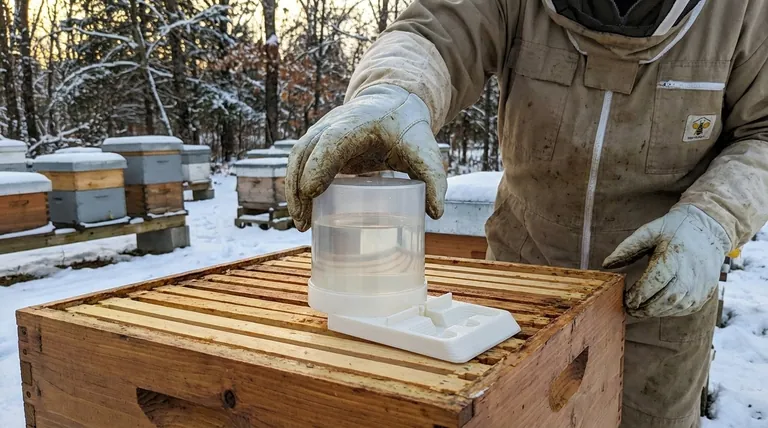
- HONESTBEE Round Hive Top Bee Feeder for Syrup
- HONESTBEE Entrance Bee Feeder Professional Hive Nutrition Solution for Beekeeping
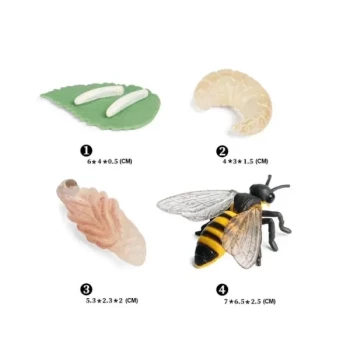
- Honey Bee Life Cycle Model 4 Stage Educational Set for Kids Learning
- HONESTBEE Professional Hive Top Bee Feeder Feeding Solution
Related Articles
- How to Choose Between Frame and Gravity Feeders for Healthy Honey Bee Colonies
- How to Choose the Right Bee Feeder for Your Hive’s Health and Efficiency
- Beyond the Jar: Why Your Bee Feeder Choice Is a Strategic Decision
- The Rate and the Ratio: How Bee Feeders Communicate with a Colony's Collective Mind
- The Slippery Wall Problem: A Fatal Design Flaw in Bee Feeders