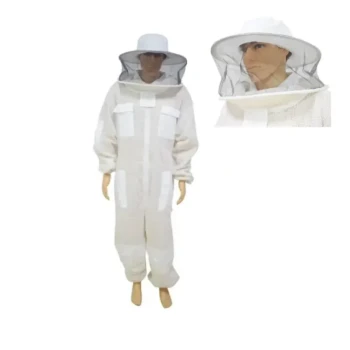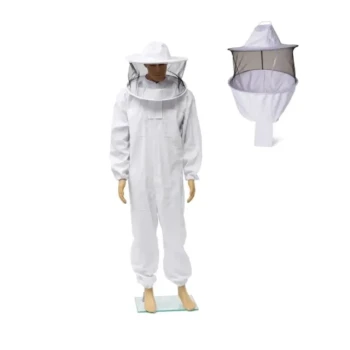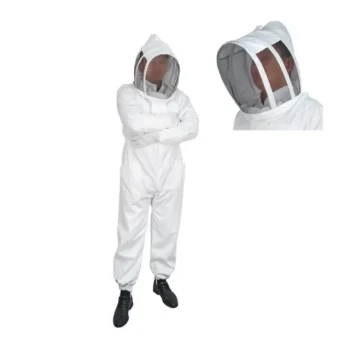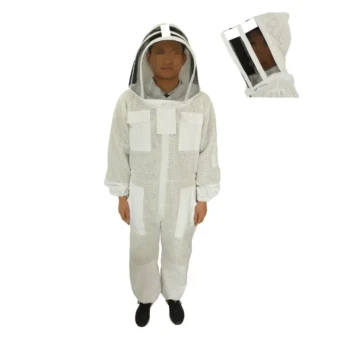
Beekeeping demands reliable protection—yet even high-quality suits can fail when stingers penetrate seams or agitated bees find entry points. This guide reveals practical strategies to strengthen your defense, combining material science insights with real-world risk mitigation techniques.
Understanding Bee Suit Vulnerabilities
Bee suits aren’t impervious. Their effectiveness hinges on material choices and beekeeper awareness of situational risks.
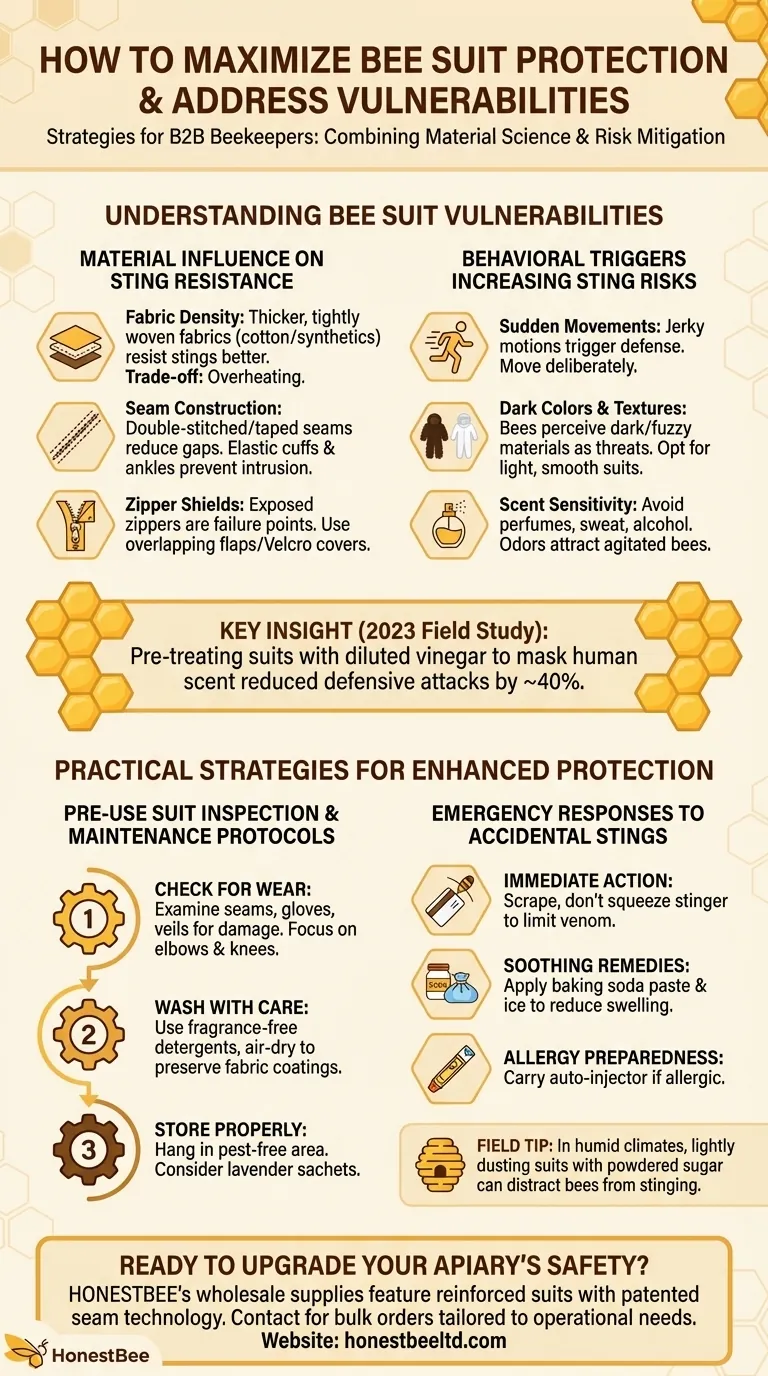
How Bee Suit Materials Influence Sting Resistance
- Fabric Density Matters: Thicker, tightly woven fabrics (like heavyweight cotton or ventilated synthetics) resist stings better than thin materials. However, breathability trade-offs exist—overly dense fabrics may cause overheating during prolonged use.
- Seam Construction: Double-stitched or taped seams reduce gaps where stingers could slip through. Elasticized cuffs and ankles with secure closures prevent bee intrusions.
- Zipper Shields: Exposed zippers are common failure points. Look for suits with overlapping fabric flaps or Velcro-secured zipper covers.
Behavioral Triggers That Increase Sting Risks
Bees rarely sting without provocation. Recognizing their stress signals minimizes incidents:
- Sudden Movements: Jerky motions near hives trigger defensive responses. Move deliberately and avoid blocking flight paths.
- Dark Colors and Textures: Bees perceive dark, fuzzy materials as threats (resembling predators). Opt for light-colored, smooth suits.
- Scent Sensitivity: Avoid perfumes, sweat, or alcohol-based products—odors attract agitated bees.
Key Insight: A 2023 field study observed that beekeepers who pre-treated suits with diluted vinegar (to mask human scent) reduced defensive attacks by approximately 40%.
Practical Strategies for Enhanced Protection
Proactive maintenance and emergency protocols bridge the gap between theoretical safety and real-world reliability.
Pre-Use Suit Inspection and Maintenance Protocols
- Check for Wear: Examine seams, gloves, and veils for fraying or holes before each use. Pay special attention to elbow and knee areas prone to abrasion.
- Wash with Care: Use fragrance-free detergents and air-dry suits—heat from dryers can degrade fabric coatings.
- Store Properly: Hang suits away from rodents or moisture. Consider sealed containers with lavender sachets (a natural bee deterrent).
Emergency Responses to Accidental Stings
Even with precautions, stings happen. React strategically:
- Immediate Action: Scrape—don’t squeeze—the stinger out to limit venom injection. Use a credit card edge or fingernail.
- Soothing Remedies: Apply a paste of baking soda and water to neutralize venom acidity. Ice packs reduce swelling.
- Allergy Preparedness: Always carry an epinephrine auto-injector if you’ve had prior allergic reactions.
Field Tip: Beekeepers working in humid climates report fewer sting incidents when suits are lightly dusted with powdered sugar—bees focus on the sugar instead of perceived threats.
Ready to Upgrade Your Apiary’s Safety?
HONESTBEE’s wholesale-focused beekeeping supplies include reinforced suits with patented seam technology, trusted by commercial apiaries worldwide. [Contact our team] for bulk orders tailored to your operational needs—because consistent protection shouldn’t be a luxury.
Final Thought: The best bee suit is one that combines robust materials with mindful beekeeping practices. By addressing both equipment and behavior, you transform vulnerabilities into manageable variables.
Visual Guide
Related Products
- Premium Three Layer Ventilated Bee Suit with Round Veil
- Professional Cotton Beekeeper Suit with Round Veil Design for Commercial Apiaries
- Premium Cotton Beekeeper Suit with Reinforced Fencing Veil
- Professional Beekeeper Suit with Square Folding Cotton Veil
- Professional Beekeeping Suit for Kids and Girls Childrens Bee Keeper Suit
Related Articles
- How to Choose Between Full and Partial Bee Suits: A Safety and Efficiency Guide
- The Physics of a Wasp Sting: Deconstructing Bee Suit Effectiveness
- The Scent of Danger: Why Bee Suit Maintenance is About Pheromones, Not Just Dirt
- How to Choose and Maintain a Bee Suit That Actually Prevents Stings
- The Confidence Barrier: Why Your First Bee Suit Is About Psychology, Not Just Protection