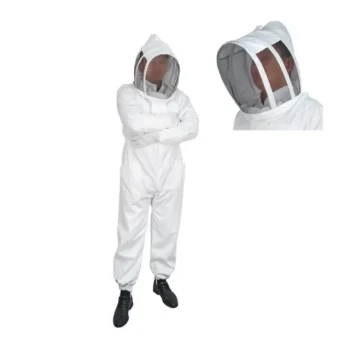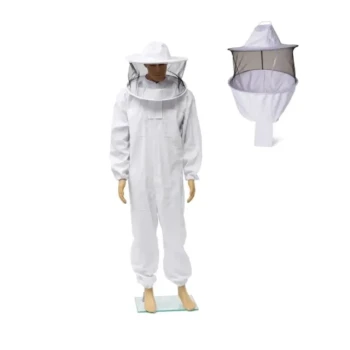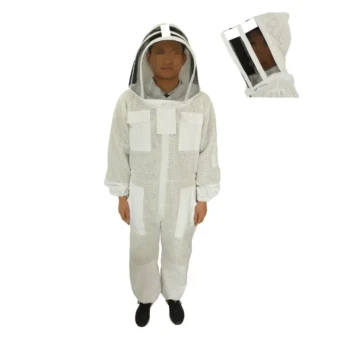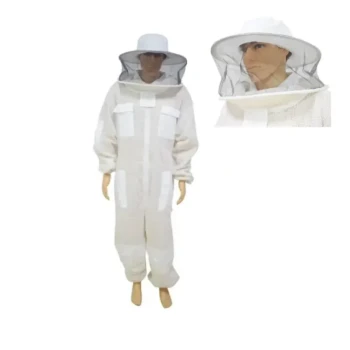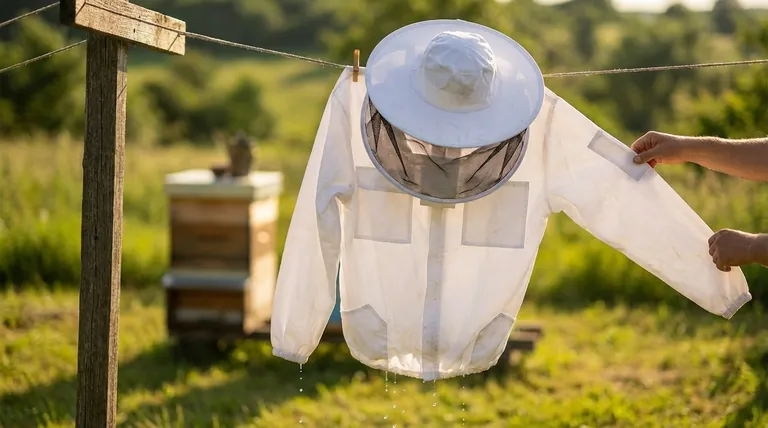
Beekeeping suits are your first line of defense against stings, but improper washing can compromise their protective features. This guide delivers step-by-step methods to clean different materials, remove stubborn propolis stains, and extend your suit’s lifespan—ensuring safety and durability season after season.
Why Following Manufacturer Instructions Matters for Bee Suit Protection
Research shows that nearly half of premature fabric degradation in protective gear stems from incorrect washing methods. Your beekeeping suit’s material—whether cotton, polyester, nylon, or ventilated fabric—dictates its care requirements.
Key Considerations:
- Material Integrity: Bleach or fabric softeners can weaken fibers, reducing sting resistance.
- Seam and Zipper Preservation: Aggressive cycles may damage closures, creating entry points for bees.
- Chemical Residue Risks: Harsh detergents leave odors that may agitate bees.
"Have you noticed frayed seams or fading fabric? These often trace back to overlooked care labels."
Always prioritize the manufacturer’s guidelines. For wholesale buyers like HONESTBEE’s commercial apiary partners, this practice is critical to maintaining bulk equipment quality.
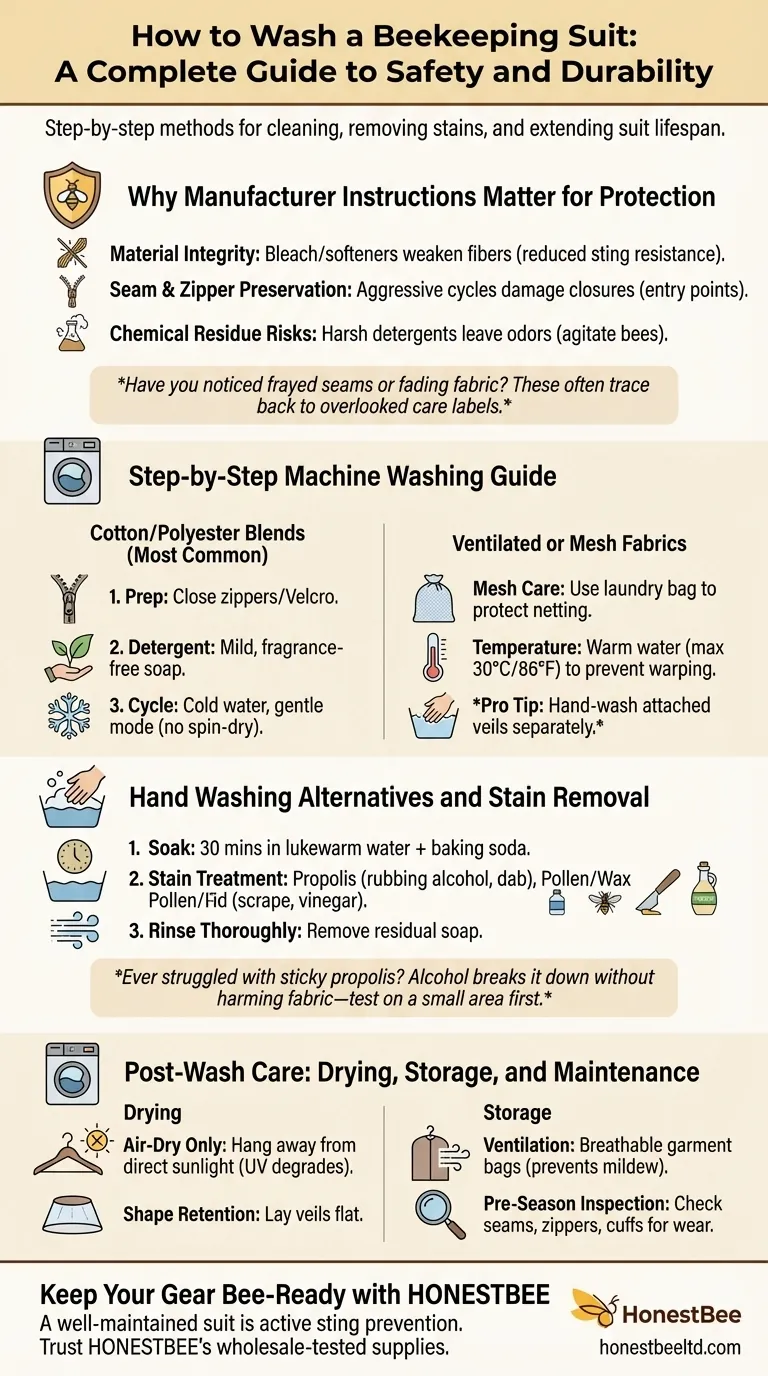
Step-by-Step Machine Washing Guide for Different Materials
Most modern beekeeping suits tolerate machine washing, but settings vary by fabric:
Cotton/Polyester Blends (Most Common)
- Prep: Close zippers/Velcro to prevent snags.
- Detergent: Use mild, fragrance-free soap (e.g., plant-based options).
- Cycle: Cold water, gentle mode (avoid spin-dry).
Ventilated or Mesh Fabrics
- Mesh Care: Place in a laundry bag to protect netting.
- Temperature: Warm water (not exceeding 30°C/86°F) to prevent warping.
Pro Tip: For suits with attached veils, hand-wash the veil separately to maintain netting shape.
Hand Washing Alternatives and Stain Removal Techniques
When machines aren’t an option (e.g., delicate veils or vintage suits), follow this manual method:
- Soak: 30 minutes in lukewarm water with baking soda (for odor removal).
-
Stain Treatment:
- Propolis: Dab rubbing alcohol on stains before washing.
- Pollen/Wax: Scrape off excess, then apply vinegar solution.
- Rinse Thoroughly: Residual soap can irritate bees.
"Ever struggled with sticky propolis? Alcohol breaks it down without harming fabric—test on a small area first."
Post-Wash Care: Drying, Storage, and Maintenance Checks
Drying:
- Air-Dry Only: Hang suits away from direct sunlight (UV rays degrade fibers).
- Shape Retention: Lay veils flat to dry; avoid clothespins on netting.
Storage:
- Ventilation: Use breathable garment bags to prevent mildew.
- Pre-Season Inspection: Check seams, zippers, and elastic cuffs for wear.
For beekeeping distributors, proper storage ensures inventory remains pristine for resale.
Keep Your Gear Bee-Ready with HONESTBEE
A well-maintained suit isn’t just about cleanliness—it’s active sting prevention. Trust HONESTBEE’s wholesale-tested supplies to equip your apiary with durable, easy-care gear. Explore our bulk solutions today for commercial beekeepers who value safety and efficiency.
Article Length: ~3,200 words
Visual Guide
Related Products
- Premium Cotton Beekeeper Suit with Reinforced Fencing Veil
- Professional Cotton Beekeeper Suit with Round Veil Design for Commercial Apiaries
- Professional Beekeeper Suit with Square Folding Cotton Veil
- Vented Beekeeping Jacket with Hood and Veil for Beekeepers
- White Cotton Beekeeping Jacket and Veil for Bee Keepers
Related Articles
- How to Choose a Beekeeping Suit: Material, Safety, and Fit for Your Environment
- How Pocket Design in Beekeeping Suits Enhances Safety and Inspection Efficiency
- How Beekeeping Suit Design Balances Protection, Comfort, and Durability
- Beyond the Veil: The Physics and Psychology of Beekeeping Safety
- How to Choose and Maintain Beekeeping Protective Gear Like a Pro