The First Five Minutes in an Apiary
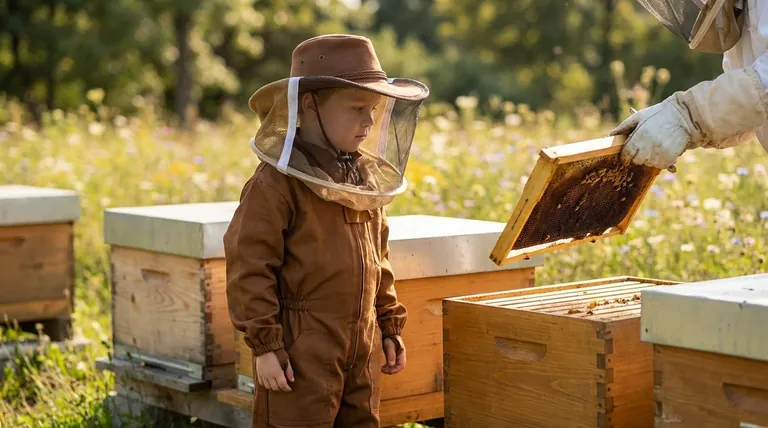
Picture a child standing at the edge of an apiary for the first time. The air hums with a sound that is both fascinating and intimidating. In this moment, their entire experience hinges on a single piece of equipment: their bee suit.
This suit is not just clothing. It is the boundary between fear and curiosity. It's the engineered environment that will determine whether their first encounter with honeybees is one of wonder or one of panic. A good suit is a cocoon of confidence; a poor one is a source of constant anxiety.
For those who supply beekeeping equipment, understanding the design philosophy behind a child's suit is about more than just selling a product. It's about providing the tool that makes a lifelong passion possible.
The Physics of a Sting-Proof System
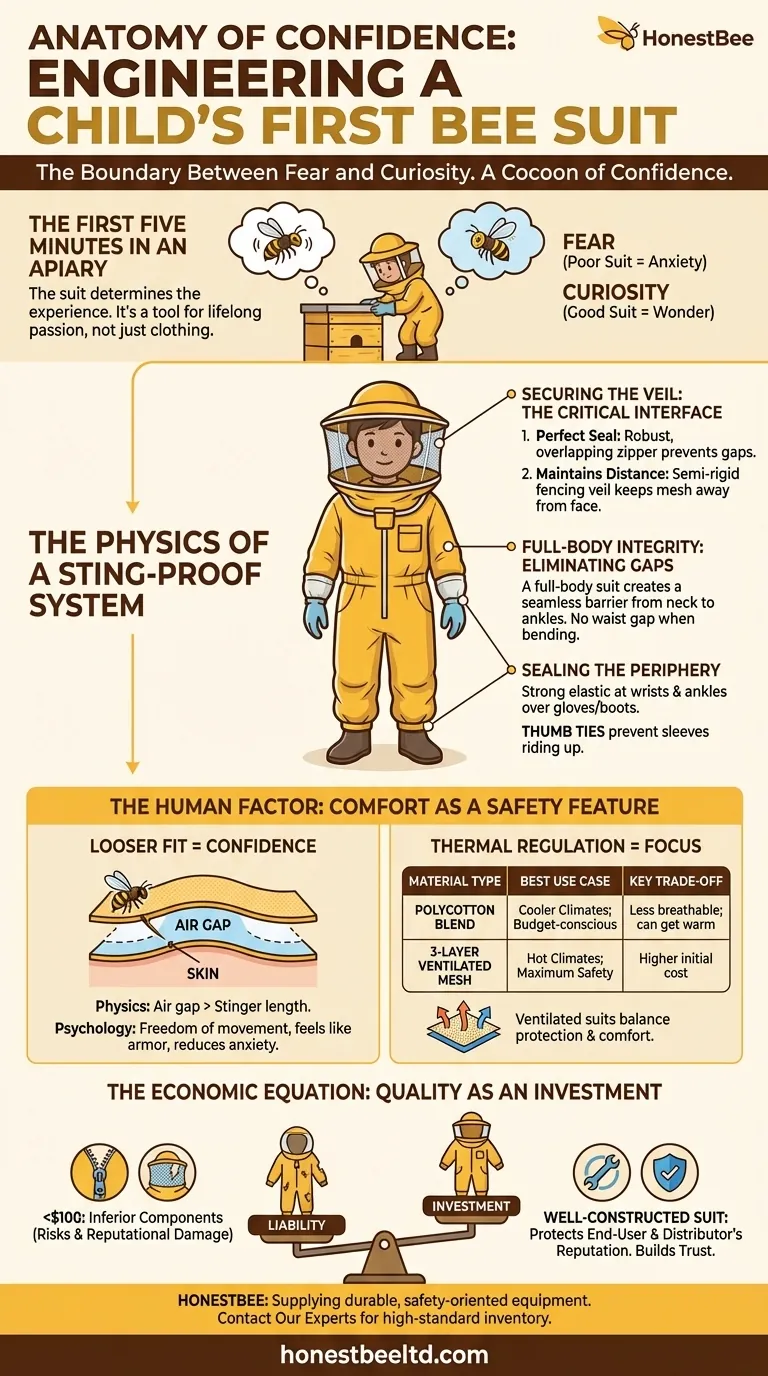
A child's suit should be viewed not as a garment, but as a closed system. Every component must be designed to eliminate potential points of failure, because a single bee inside the veil can end a lesson for good.
Eliminating Gaps: The Case for Full-Body Integrity
Experienced beekeepers might get by with a jacket and pants. For a child, this introduces an unnecessary risk. The waistline is a potential entry point that can open up when bending, twisting, or reaching.
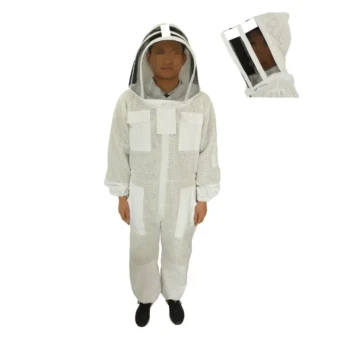
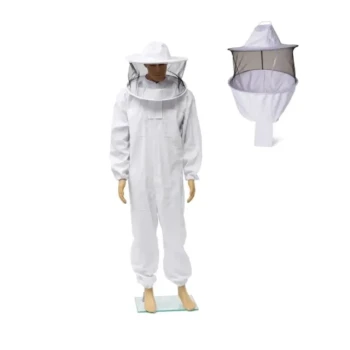
A full-body suit is the only acceptable standard. It creates a seamless barrier from the neck to the ankles, ensuring complete, uninterrupted protection. It is a fundamentally more secure design.
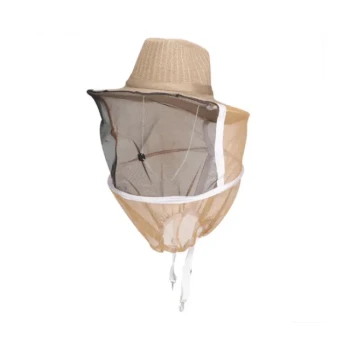
The Critical Interface: Securing the Veil
The face is the focal point of our senses and our fears. The veil is therefore the most psychologically important part of the suit.
A high-quality suit uses a detachable fencing veil attached with a robust, overlapping zipper. This does two things:
- It creates a perfect seal. The zipper ensures no gaps can form between the hood and the collar.
- It maintains distance. The semi-rigid structure of a fencing veil keeps the mesh away from the child's face, preventing stings and creating a sense of safe separation.
Sealing the Periphery
Bees are experts at finding the smallest opening. The weakest points of any suit are the cuffs.
Strong elastic at the wrists and ankles is non-negotiable. It must create a tight seal over gloves and boots. An even better design incorporates thumb ties, a simple but brilliant feature that prevents sleeves from riding up when a child pulls on their gloves. This small detail is a hallmark of thoughtful engineering.
The Human Factor: Comfort as a Safety Feature
A suit can be physically impenetrable, but if it's uncomfortable, it has failed. Discomfort leads to distraction and a desire to get the task over with, which is the opposite of the curiosity we want to foster.
The Psychology of a Looser Fit
Always choose a suit that is one size too big. The reason is rooted in both physics and psychology.
- Physically: A bee's stinger has a fixed length. The air gap created by a loose suit between the fabric and the skin is often greater than the stinger's length, making it physically impossible for a sting to reach the skin.
- Psychologically: A loose suit allows for freedom of movement. It feels like armor. A tight, constricting suit feels vulnerable and claustrophobic, heightening a child's anxiety.
Thermal Regulation as a Behavioral Tool
A child who is overheating is not a child who is learning. They become irritable, lose focus, and the apiary quickly transforms from a place of wonder into a place of misery.
The suit's material must be matched to the climate.
| Material Type | Best Use Case | Key Trade-off |
|---|---|---|
| Polycotton Blend | Cooler climates; budget-conscious | Less breathable; can get warm |
| 3-Layer Ventilated Mesh | Hot climates; maximum safety | Higher initial cost |
A ventilated suit is the modern engineering solution to the age-old trade-off between protection and comfort. It allows heat and sweat to escape while its layered structure prevents stingers from penetrating, making it the superior choice for most conditions.
The Economic Equation: Quality as an Investment
For distributors and commercial apiaries, the choice of what equipment to stock is an economic one. But with safety gear, a low price often reflects a high risk.
Suits that cost less than $100 frequently use inferior components: thin veils that tear, zippers that snag and break, and weak elastic that loses its function over time. These are not cost savings; they are liabilities.
Investing in well-constructed suits from a reputable supplier protects the end-user, but it also protects the distributor's reputation. A suit that fails is remembered far longer than a suit that works perfectly.
A well-engineered bee suit does more than protect a child from stings. It manages their fear, enables their curiosity, and gives them the confidence to step into a new world. For the commercial operations that supply them, providing this level of safety and reliability is the foundation of trust.
At HONESTBEE, we focus on supplying durable, safety-oriented equipment designed for real-world apiary conditions. To ensure your inventory meets the highest standards of safety and comfort, Contact Our Experts.
Visual Guide
Related Products
- Professional Beekeeping Suit for Kids and Girls Childrens Bee Keeper Suit
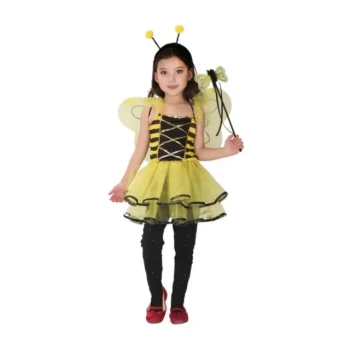
- Adorable Charming Playful Childs Bee Costume Set
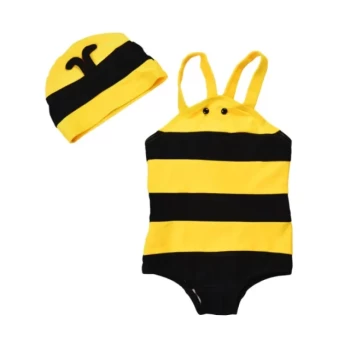
- Adorable Baby Toddler Bee Swimsuit and Cap Set
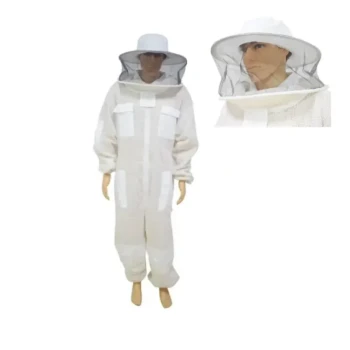
- Premium Three Layer Ventilated Bee Suit with Round Veil
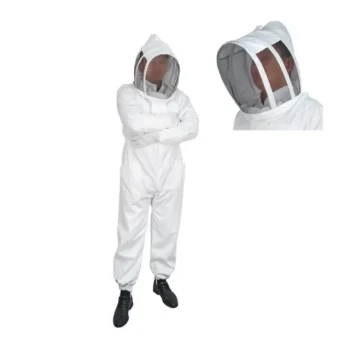
- Premium Cotton Beekeeper Suit with Reinforced Fencing Veil
Related Articles
- How to Choose a Safe and Comfortable Bee Suit for Kids: A Family Beekeeping Guide
- The Anatomy of Confidence: How a Child's Bee Suit is Engineered for Safety and Learning
- Beyond the Sting: The Psychological Armor of a Child's Bee Suit
- How Beekeeping Suit Design Balances Protection, Comfort, and Durability
- How Pocket Design in Beekeeping Suits Enhances Safety and Inspection Efficiency