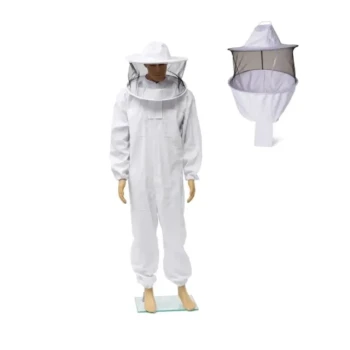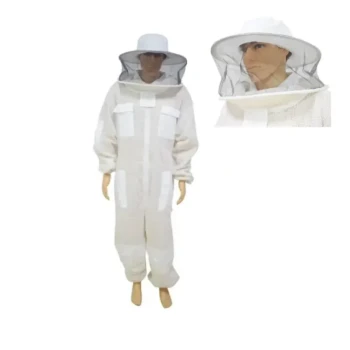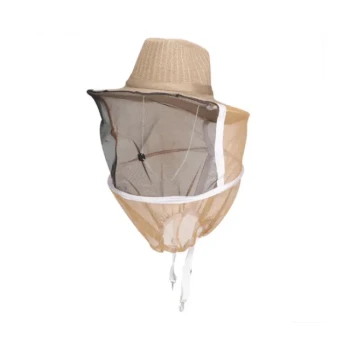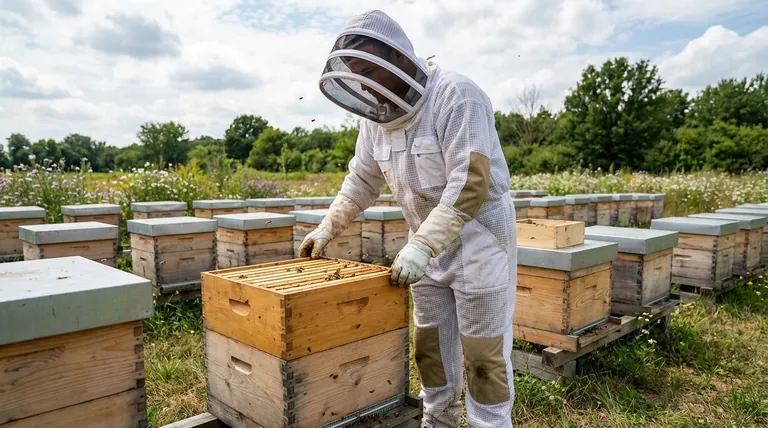
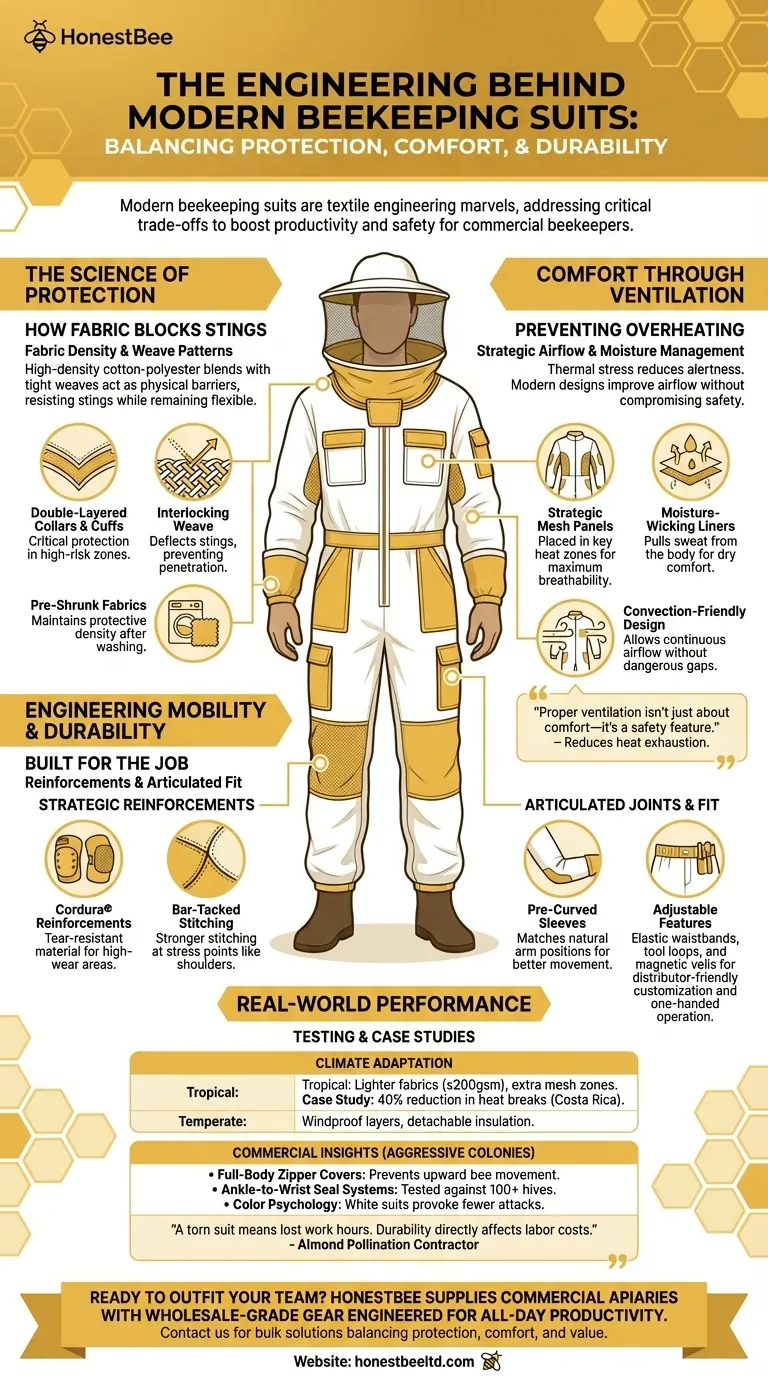
Modern beekeeping suits are marvels of textile engineering, addressing the critical trade-offs between sting protection, thermal comfort, and long-term wear resistance. For commercial beekeepers managing hundreds of hives, these design choices directly impact productivity and safety.
The Science of Beekeeping Suit Protection
How Fabric Density and Weave Patterns Block Stings
The foundation of any protective suit lies in its fabric architecture. High-density cotton-polyester blends with tight weave patterns create a physical barrier against stings, with research showing these materials can resist penetration from bee stingers while remaining flexible.
Key advancements include:
- Double-layered collars and cuffs at high-risk zones
- Interlocking weave designs that deflect stingers rather than merely absorbing them
- Pre-shrunk fabrics that maintain protective density after repeated washing
Why Ventilation Systems Prevent Overheating Without Compromising Safety
Thermal stress reduces a beekeeper’s alertness and endurance—a serious concern for commercial operators. Modern suits address this through:
- Strategic mesh panel placement in torso and underarm areas (as referenced in ventilation studies)
- Moisture-wicking liners that pull sweat away from the body
- Convection-friendly designs allowing continuous airflow without creating gaps bees can exploit
"Have you noticed how heat exhaustion often correlates with rushed movements that provoke bees? Proper ventilation isn’t just about comfort—it’s a safety feature."
Engineering Mobility into Beekeeping Gear
Strategic Reinforcement Zones for Tear Resistance
Commercial beekeeping demands suits that withstand daily abrasion from hive tools, rough handling, and environmental hazards. Leading designs incorporate:
- Cordura® reinforcements at knees and elbows
- Bar-tacked stitching at stress points like shoulder seams
- Abrasion-resistant coatings that don’t stiffen the fabric
Articulated Joints and Adjustable Fit Mechanisms
Ill-fitting suits create dangerous gaps. Forward-thinking manufacturers now integrate:
- Pre-curved sleeve patterns matching natural arm positions
- Elasticized waistbands with tool loops for distributor-friendly customization
- Magnetic veil closures enabling one-handed operation during hive inspections
These technologies quietly redefine what "full protection" means—from passive shielding to active adaptability.
Real-World Testing and Beekeeper Case Studies
Suit Performance in Tropical vs. Temperate Climates
Regional beekeeping challenges reveal material limitations:
| Climate | Key Adaptations |
|---|---|
| Tropical | Lighter fabrics (≤200gsm), extra mesh zones |
| Temperate | Windproof layers, detachable insulation |
A Costa Rican apiary reported a 40% reduction in heat-related breaks after switching to ventilated suits—without increasing sting incidents.
Lessons from Commercial Beekeepers Managing Aggressive Colonies
Large-scale operators handling Africanized bees emphasize:
- Full-body zipper covers preventing upward bee movement
- Ankle-to-wrist seal systems tested against 100+ hives
- Color psychology—white suits provoking fewer attacks than darker shades
One almond pollination contractor noted: "Our suit durability directly affects labor costs. A torn suit means lost work hours."
Ready to outfit your team with intelligently designed beekeeping suits? HONESTBEE supplies commercial apiaries and distributors with wholesale-grade protective gear engineered for all-day productivity. Contact us for bulk solutions that balance protection, comfort, and value.
Visual Guide
Related Products
- Premium Cotton Beekeeper Suit with Reinforced Fencing Veil
- Professional Cotton Beekeeper Suit with Round Veil Design for Commercial Apiaries
- Professional Beekeeper Suit with Square Folding Cotton Veil
- White Cotton Beekeeping Jacket and Veil for Bee Keepers
- Vented Beekeeping Jacket with Hood and Veil for Beekeepers
Related Articles
- How to Choose a Beekeeping Suit: Material, Safety, and Fit for Your Environment
- How Pocket Design in Beekeeping Suits Enhances Safety and Inspection Efficiency
- How to Wash a Beekeeping Suit: A Complete Guide to Safety and Durability
- Beyond the Veil: The Physics and Psychology of Beekeeping Safety
- How to Choose and Maintain Beekeeping Protective Gear Like a Pro