The Foundation is a Contract
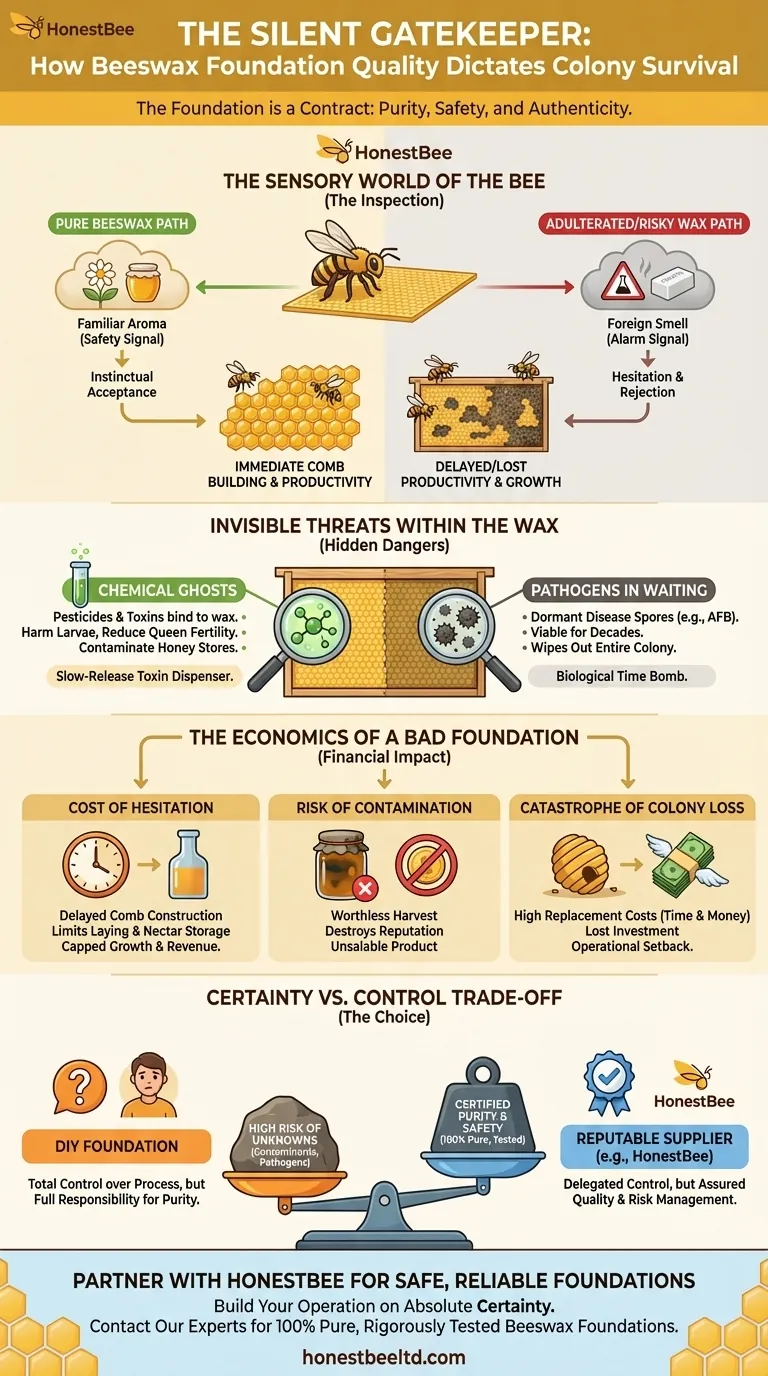
When a beekeeper slides a new frame of foundation into a hive, a silent transaction occurs. The bees, governed by millions of years of instinct, approach the wax. They inspect it, touch it with their antennae, and process its scent.
Their reaction is a verdict.
They will either accept this new architecture and immediately begin the tireless work of drawing it out into perfect comb, or they will hesitate. They might ignore it, or even try to remove it. This isn't stubbornness; it's a risk assessment.
The foundation is a contract between the beekeeper and the colony. The terms are simple but absolute: purity, safety, and authenticity. A breach of this contract carries consequences that cascade through the entire hive.
The Sensory World of the Bee
To understand why bees are such demanding inspectors, we have to step outside our own sensory experience and into theirs. For a honeybee, the world is a landscape of scent and texture.
Scent: The Language of Home
Pure beeswax has a complex, familiar aroma—a signature of safety and belonging. It signals that this structure is a viable place to raise brood and store food.
When wax is adulterated with foreign substances like paraffin, the scent profile is wrong. It’s an alarm. This foreign smell can cause the bees to recoil, delaying the critical process of comb building. That delay isn't just lost time; it’s lost productivity, translating to less honey and a slower-growing colony.
Purity: The Blueprint for Work
Bees are programmed to work with a specific material. The molecular structure and physical properties of 100% pure beeswax are the only blueprint they know. Building comb is an act of instinctual engineering, and using the right material is non-negotiable.
The Invisible Threats Within the Wax
A sheet of foundation can look perfect to the human eye but be a Trojan horse. The greatest dangers are the ones you cannot see.
Chemical Ghosts
Pesticides and other chemicals can bind to beeswax, persisting long after their initial application. When a colony builds its nursery and pantry on a foundation laden with these chemical ghosts, the contamination leaches into the hive environment. It can harm developing larvae, reduce the queen’s fertility, and poison the honey stores.
The foundation becomes a slow-release dispenser for toxins, undermining the colony’s health from its very core.
Pathogens in Waiting
The age and color of the wax are direct indicators of its history. Old, dark, or discolored wax is a red flag. It may have been rendered from diseased combs, potentially harboring dormant spores of devastating diseases like American Foulbrood (AFB).
These spores can remain viable for decades. Introducing them into a healthy hive via a contaminated foundation is like planting a time bomb. Once activated, AFB can wipe out the entire colony.
The Economics of a Bad Foundation
For a commercial apiary, the quality of a foundation isn't an abstract ideal; it's a critical factor in financial viability.
- The Cost of Hesitation: Slow acceptance means delayed comb construction. This creates a bottleneck for the queen's laying pattern and limits space for nectar storage during a honey flow. It's a direct cap on growth and revenue.
- The Risk of Contamination: A contaminated honey harvest is worthless. Worse, it can destroy a beekeeper's reputation. The integrity of the final product begins with the purity of the wax it's stored in.
- The Catastrophe of Colony Loss: Replacing a lost colony is expensive in both time and money. Proactively ensuring foundations are sterile and pure is one of the most effective forms of insurance an apiarist can have.
The Certainty vs. Control Trade-Off
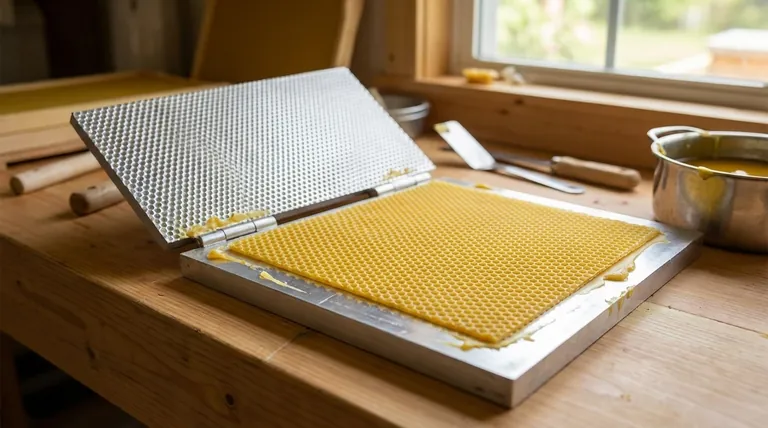
A beekeeper faces a fundamental choice: make their own foundation or purchase it from a specialist. This isn't just about convenience; it's a decision about risk management.
| Approach | Key Advantage | Inherent Risk |
|---|---|---|
| DIY Foundation | Total control over cell size and process. | Full responsibility for sourcing, cleaning, and sterilizing wax. High risk of introducing unknown contaminants or pathogens. |
| Reputable Supplier | Certified purity and safety. | Delegates control of the manufacturing process. |
For a commercial operation, where consistency and safety are paramount, the risk of using unverified wax is simply too high. Partnering with a supplier who treats foundation quality with the seriousness it deserves is not a cost—it's an investment.
At HONESTBEE, we operate on this principle. We supply commercial apiaries and distributors with foundations made from 100% pure, natural beeswax, rigorously tested to be free of contaminants. We understand that we aren't just selling wax; we are providing the safe, reliable cornerstone for your colony's health and your business's success.
Choosing the right foundation is one of the most impactful decisions a beekeeper can make. It’s a choice that echoes through the life of the colony and the quality of the harvest. If you're ready to build your operation on a foundation of absolute certainty, Contact Our Experts.
Visual Guide
Related Products
- Beeswax Foundation Sheets Beehive Foundation for Wholesale
- Colorful Silicone Beeswax Foundation Mold Mould for Beekeeping
- Notebook Style Beeswax Foundation Mould Wax Foundation Mold
- Beeswax Machine Press Embosser Wax Foundation Mold Printer Bee Hive Equipment Making Sheet
- Fully Automatic Beeswax Embossing Machine Foundation Mill
Related Articles
- How to Choose and Use Budget-Friendly Tools for Durable Beeswax Foundations
- How Beeswax Foundations Enhance Colony Health and Beekeeping Efficiency
- Why Your Beeswax Foundation Fails: A Guide to Preventing Costly Warping and Breakage
- From Liquid to Lattice: Mastering Thermal Control in Beeswax Foundation Stacking
- Stop Blaming Your Rollers: The Real Source of Flawed Beeswax Foundation