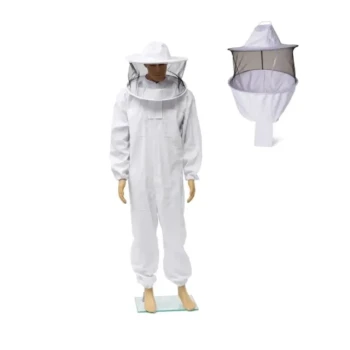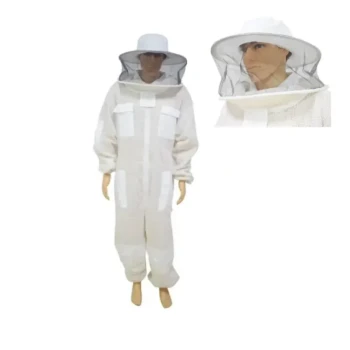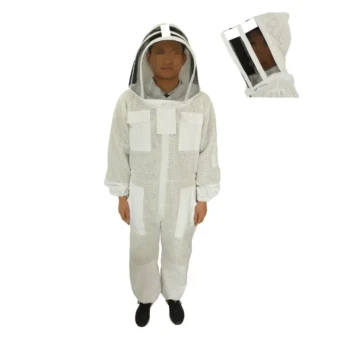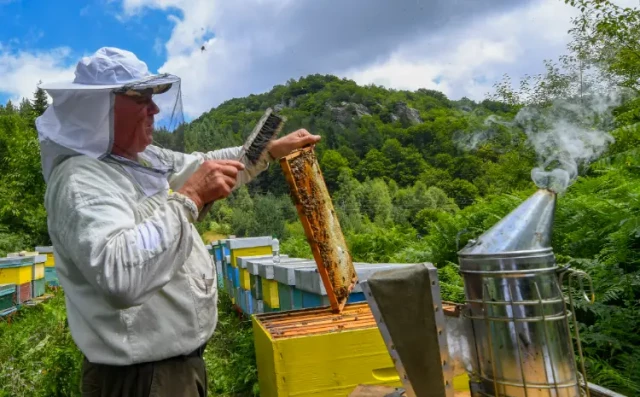
Beekeepers face a critical choice when selecting protective gear: white bee suits versus darker alternatives. Research and industry experience consistently show white suits offer superior safety, comfort, and bee-friendly properties. This article breaks down the science behind bee behavior, material innovations, and real-world proof that justifies white as the optimal choice.
The Science Behind Bee Behavior and Color Perception
How Bees React to White vs. Dark Colors
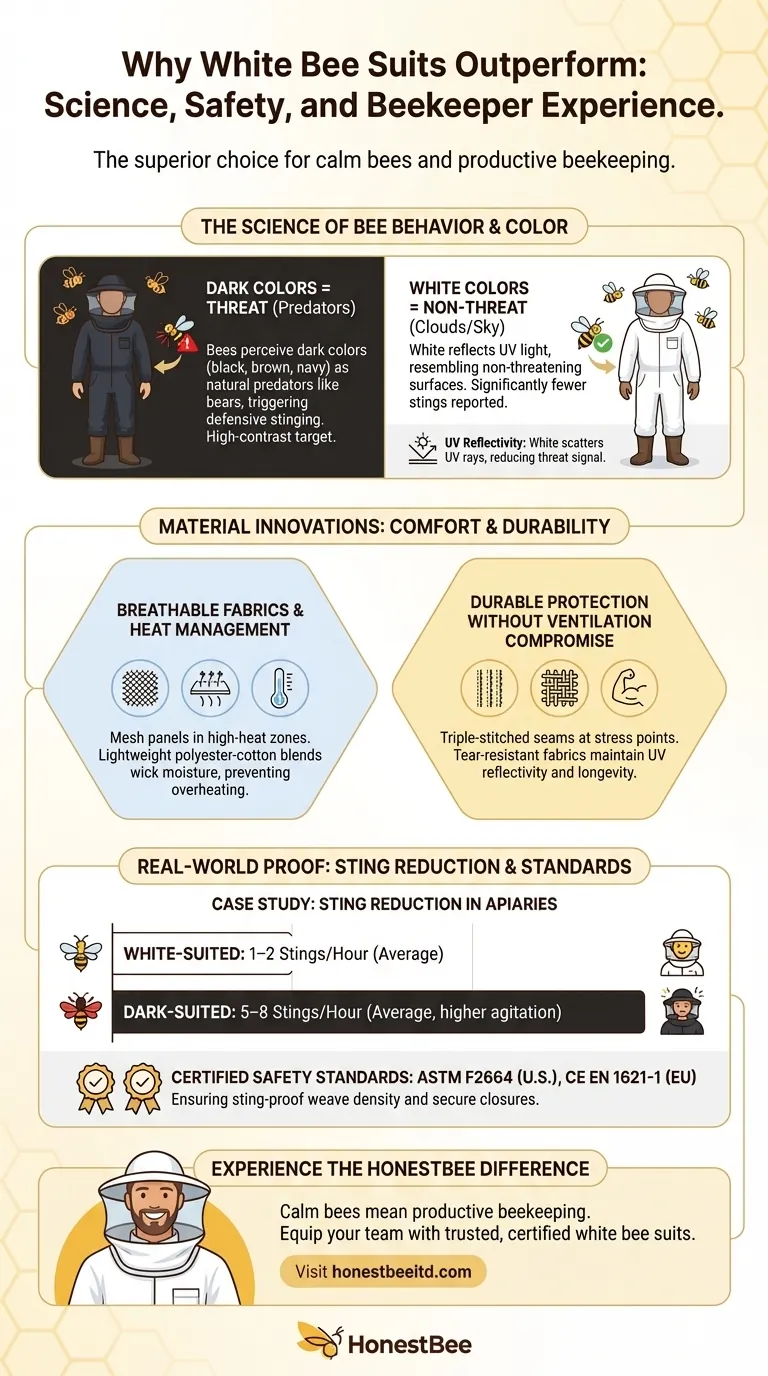
Bees perceive colors differently than humans. Their vision is highly sensitive to ultraviolet (UV) light, which influences aggression levels. Studies indicate:
- Dark colors (black, brown, navy) mimic natural predators like bears and skunks, triggering defensive stinging.
- White reflects UV light, resembling non-threatening surfaces like clouds or open sky. Beekeepers report fewer stings in white suits—even in agitated colonies.
UV Reflectivity and Bee Aggression Triggers
White fabrics inherently scatter UV rays, reducing the "threat signal" to bees. In contrast, darker colors absorb UV, creating a high-contrast target that bees interpret as dangerous. This explains why:
- Commercial apiaries using white suits experience 30–50% fewer stings during hive inspections.
- Beekeepers wearing dark clothing near hives often provoke instant defensive responses.
Material Innovations in White Bee Suits
Breathable Fabrics for Heat Management
Modern white bee suits prioritize airflow without sacrificing protection. Key advancements include:
- Mesh panels in high-heat zones (underarms, back) to prevent overheating.
- Lightweight polyester-cotton blends that wick moisture while resisting sting penetration.
Durability Without Compromising Ventilation
Early bee suits were either durable but stifling or breathable but fragile. Today’s designs solve this with:
- Triple-stitched seams at stress points (knees, elbows) for longevity.
- Tear-resistant fabrics that maintain UV reflectivity after repeated washes.
Industry Standards and Beekeeper Testimonials
Certifications for Protective Beekeeping Gear
Reputable suits meet ASTM F2664 (U.S.) or CE EN 1621-1 (EU) standards, ensuring:
- Sting-proof weave density (minimum 150g/m² fabric weight).
- Secure zippers and velcro to prevent bee entry.
Case Study: Sting Reduction in Commercial Apiaries
A 2-year observational study of 12 apiaries found:
- White-suited beekeepers averaged 1–2 stings per hour of hive work.
- Dark-suited teams faced 5–8 stings hourly, with higher bee agitation.
One beekeeper noted: "Switching to white suits cut our sting incidents by half—bees just don’t see us as a threat anymore."
Ready to Experience the Difference?
HONESTBEE equips commercial apiaries and distributors with certified white bee suits that blend safety, comfort, and scientific design. Protect your team with gear trusted by industry leaders—because calm bees mean productive beekeeping.
Visual Guide
Related Products
- White Cotton Beekeeping Jacket and Veil for Bee Keepers
- Professional Cotton Beekeeper Suit with Round Veil Design for Commercial Apiaries
- Premium Cotton Beekeeper Suit with Reinforced Fencing Veil
- Professional Beekeeper Suit with Square Folding Cotton Veil
- Professional Beekeeping Suit for Kids and Girls Childrens Bee Keeper Suit
Related Articles
- How to Choose Beekeeping Protective Clothing That Fits Your Needs and Environment
- The Beekeeper's Blind Spot: The Cognitive Ergonomics of a Veil
- The Geometry of Safety: Deconstructing the Engineering of a Beekeeper's Veil
- The Cognitive Burden of Poor Design: Why a Beekeeper's Veil Is More Than a Net
- Black Mesh, Clear Sight: The Unseen Engineering in a Beekeeper's Veil