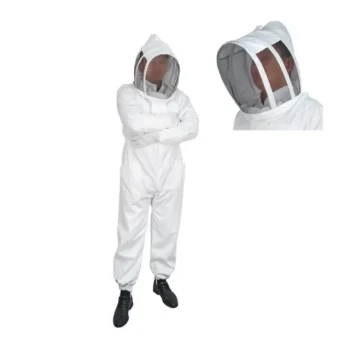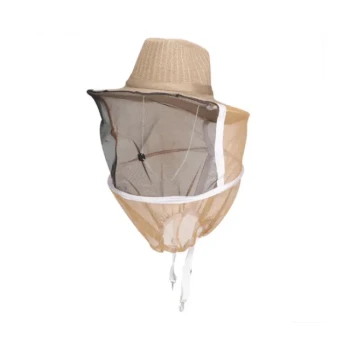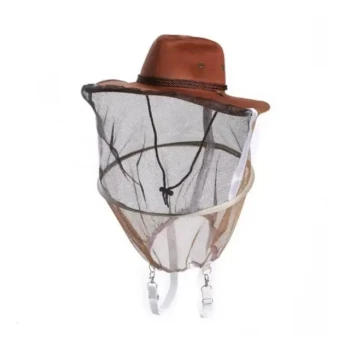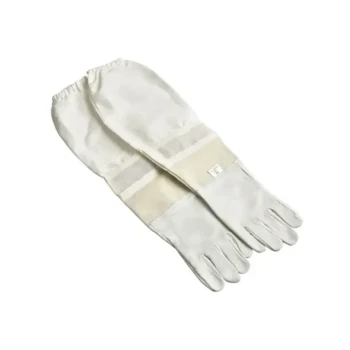
Beekeeping is a rewarding yet potentially hazardous activity. The right protective clothing can mean the difference between a productive hive inspection and a painful experience. This guide will help you select gear tailored to your specific needs, climate, and comfort level—whether you're a beginner or a seasoned beekeeper.
The Essential Role of Beekeeping Protective Clothing
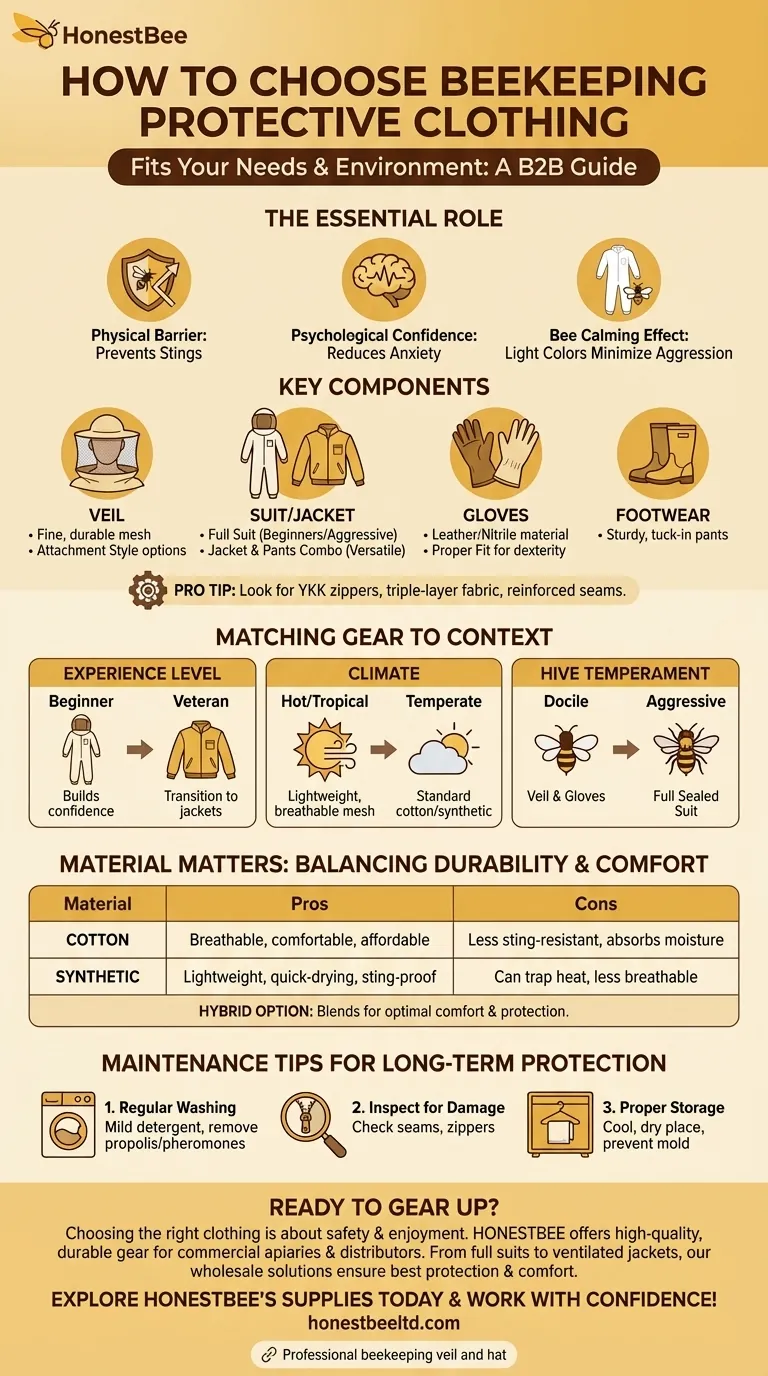
Bee stings aren’t just painful—they can trigger allergic reactions or escalate into dangerous situations if bees become agitated. Protective clothing serves three critical purposes:
- Physical Barrier – Prevents stings by covering exposed skin.
- Psychological Confidence – Reduces anxiety, especially for beginners.
- Bee Calming Effect – Light-colored, smooth fabrics minimize bee aggression.
Research shows that beekeepers who wear proper gear experience fewer stings and maintain better hive management efficiency. However, not all suits are created equal. The best choice depends on your experience, local climate, and beekeeping style.
Key Components: From Veils to Gloves
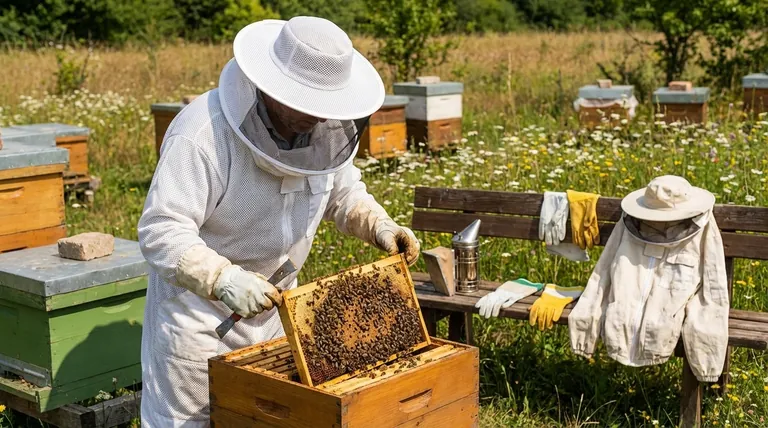
A well-designed beekeeping outfit includes several crucial elements:
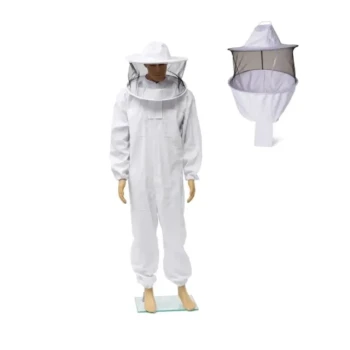
1. Veil
- Mesh Quality: Opt for fine, durable mesh that ensures visibility while keeping bees out.
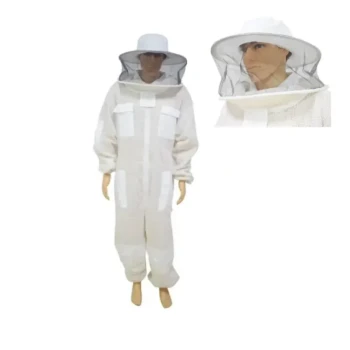
- Attachment Style: Some veils clip onto helmets, while others integrate into jackets or suits.
2. Suit/Jacket
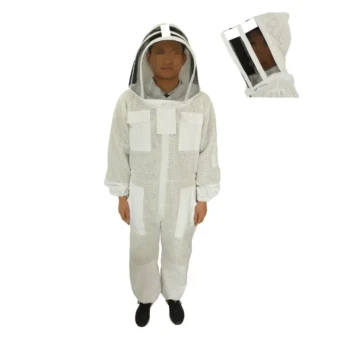
- Full Suit: Best for beginners or aggressive hives—offers full-body protection but can be hot.
- Jacket & Pants Combo: More versatile; wear the jacket alone for quick inspections.
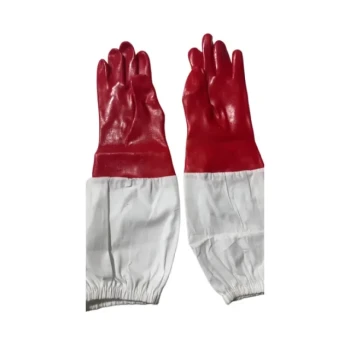
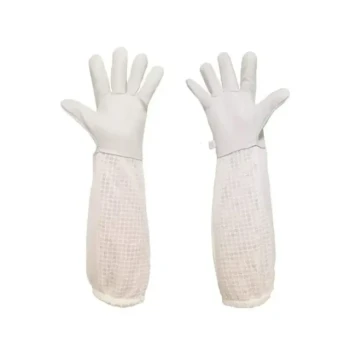
3. Gloves
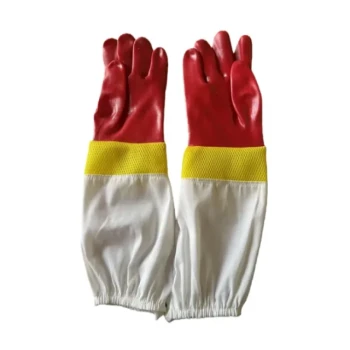
- Material: Leather or nitrile-coated gloves provide dexterity and sting resistance.
- Fit: Too loose, and bees can crawl inside; too tight, and movement becomes difficult.
4. Footwear
- Sturdy boots with pants tucked in prevent bees from climbing up your legs.
Pro Tip: Look for suits with YKK zippers, triple-layer fabric, and reinforced seams for durability.
Matching Gear to Your Beekeeping Context
Beginners vs. Experienced Beekeepers
- New Beekeepers: A full suit is advisable—it builds confidence and minimizes stings.
- Veterans: Many transition to jackets or ventilated suits as they learn hive behavior.
Climate Considerations
- Hot/Tropical Areas: Lightweight, breathable fabrics (like ventilated mesh) prevent overheating.
- Temperate Zones: Standard cotton or synthetic blends offer balanced protection.
Hive Temperament
- Docile bees may only require a veil and gloves.
- Aggressive colonies demand full suits with sealed seams.
Material Matters: Balancing Durability and Comfort
Cotton vs. Synthetic
| Material | Pros | Cons |
|---|---|---|
| Cotton | Breathable, comfortable, affordable | Less sting-resistant, absorbs moisture |
| Synthetic | Lightweight, quick-drying, more sting-proof | Can trap heat, less breathable |
Hybrid Option: Some suits blend cotton and polyester for optimal comfort and protection.
Maintenance Tips for Long-Term Protection
- Regular Washing – Use mild detergent to remove propolis and bee pheromones that attract stings.
- Inspect for Damage – Check seams, zippers, and mesh for wear and tear.
- Proper Storage – Hang suits in a cool, dry place to prevent mold and fabric degradation.
A well-maintained suit can last several seasons, making it a worthwhile investment.
Ready to Gear Up?
Choosing the right beekeeping clothing isn’t just about safety—it’s about enjoying your time with the bees. HONESTBEE offers high-quality, durable protective gear designed for commercial apiaries and distributors. Whether you need full suits for beginners or ventilated jackets for tropical climates, our wholesale-focused solutions ensure you get the best protection without compromising comfort.
Explore HONESTBEE’s beekeeping supplies today and work with confidence!
Products You Might Be Looking For:
View professional beekeeping veil and hat
Visual Guide
Related Products
- White Cotton Beekeeping Jacket and Veil for Bee Keepers
- Beekeeping Jacket with Hood and Veil for Beekeepers
- Premium Cotton Beekeeper Suit with Reinforced Fencing Veil
- Beekeeper Cowboy Hat and Veil for Beekeeping
- Professional Beekeeping Suit for Kids and Girls Childrens Bee Keeper Suit
Related Articles
- The Beekeeper's Blind Spot: The Cognitive Ergonomics of a Veil
- The Geometry of Safety: Deconstructing the Engineering of a Beekeeper's Veil
- The Cognitive Burden of Poor Design: Why a Beekeeper's Veil Is More Than a Net
- Black Mesh, Clear Sight: The Unseen Engineering in a Beekeeper's Veil
- How to Wash a Beekeeping Suit: A Complete Guide to Safety and Durability