The Moment Focus Breaks
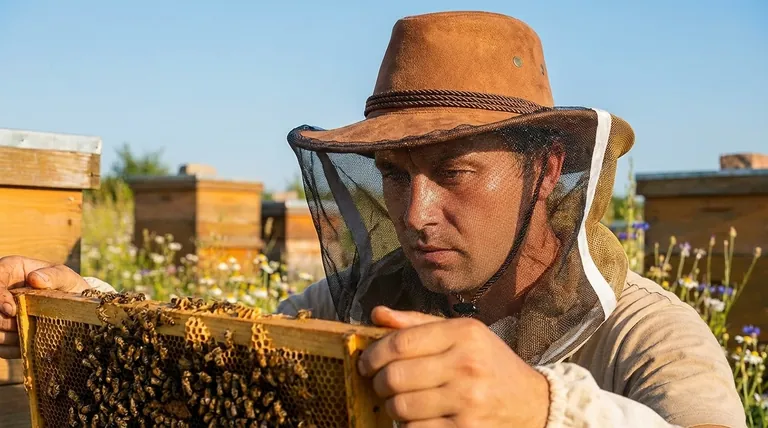
An hour into a hive inspection on a July afternoon, the world shrinks to the space between your eyes and the honeycomb frame. The sun is relentless. A bead of sweat traces a path down your temple.
Your veil, damp with humidity, clings to your cheek for a split second. A minor annoyance. You shift your head to pull it away. The hat slips forward, and the glare of the sun flashes through the mesh. Another annoyance.
You readjust, breaking your concentration just long enough to miss the subtle flick of the queen's abdomen.
This is not a failure of skill. It is a failure of equipment. The discomfort of a poorly designed beekeeping hat is not just a physical nuisance; it is a cognitive burden.
Your Veil as a Workspace, Not Just a Shield
We tend to think of protective gear in terms of what it stops—in this case, stings. But the true function of high-performance headgear is to create a distraction-free micro-environment.
Its primary job is to manage the sensory inputs of heat, light, and physical instability so your mental resources can be dedicated entirely to the bees.
A bad hat doesn't just make you hot. It steals your focus. It slowly erodes your patience. It makes you more likely to make a mistake—a dropped frame, a misidentified cell, a clumsy movement that agitates the colony.
Comfort, in this context, is not a luxury. It is a critical component of safety and efficiency. This comfort is achieved through a system of intentional design choices.
The Three Pillars of a Low-Distraction Micro-Environment
The best headgear design addresses three fundamental sources of cognitive load.
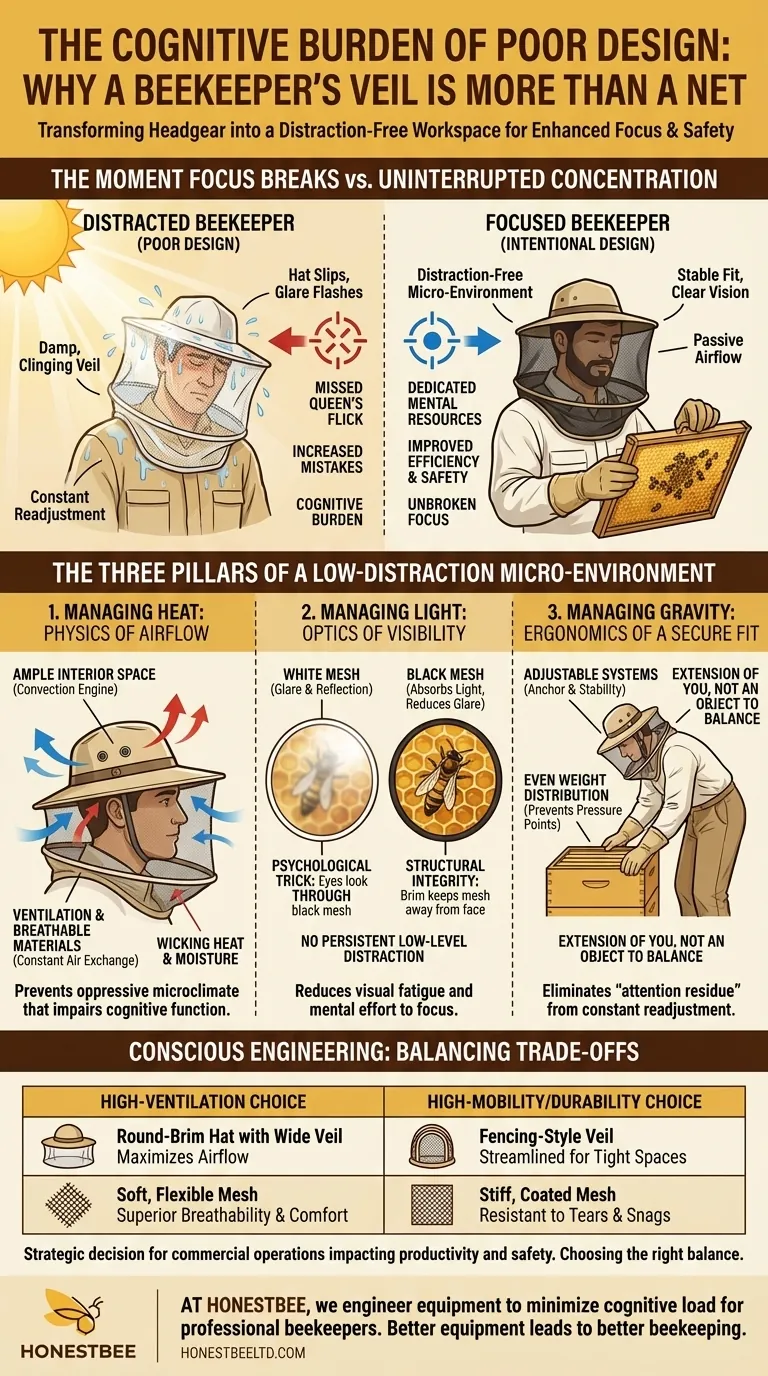
1. Managing Heat: The Physics of Airflow
Your head is a primary radiator for body heat. Trapping it under a hat creates a humid, oppressive microclimate that directly impairs cognitive function.
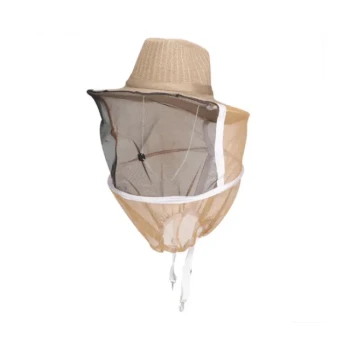
- Ample Interior Space: A well-designed hat creates a large buffer of air around your head. This isn't just for roominess; it's a convection engine. As your head radiates heat, the warm air rises and circulates away.
- Ventilation and Breathable Materials: Vented grommets in the crown and lightweight fabrics work with the mesh veil to establish passive airflow. This constant, gentle exchange of air wicks away heat and moisture before they can build up and command your attention.
2. Managing Light: The Optics of Visibility
Visual fatigue is a subtle but powerful drain on your focus. The veil is the most critical element here.
- Black Mesh is a Psychological Trick: Your eyes are better at looking through black mesh than white or grey. It absorbs stray light and reduces glare, requiring less mental effort to focus on the details of the frame.
- Structural Integrity: The hat's brim is engineered to keep that mesh away from your face. A veil that constantly brushes against your skin, eyelashes, or nose is a persistent, low-level distraction that your brain can't ignore.
3. Managing Gravity: The Ergonomics of a Secure Fit
A hat that shifts, slips, or feels unbalanced creates "attention residue." Every time you have to readjust it, a part of your brain is pulled away from the task at hand.
- Adjustable Systems: A simple adjustable headband or chin strap is the anchor. It ensures the hat remains stable as you bend, lift, and turn your head. It becomes an extension of you, not an object you are balancing.
- Even Weight Distribution: A balanced fit prevents pressure points and muscle fatigue over long hours. You shouldn't be thinking about the weight on your head; you should be thinking about the health of your colony.
Conscious Engineering: Balancing The Trade-Offs
Choosing the perfect headgear involves understanding its design trade-offs. What excels in one area may be a compromise in another.
| Feature Compromise | The High-Ventilation Choice | The High-Mobility/Durability Choice |
|---|---|---|
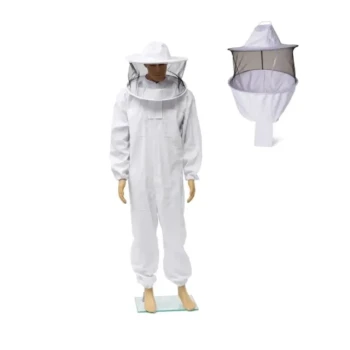
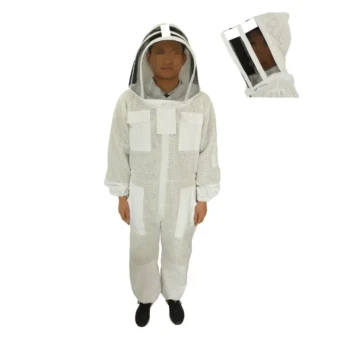
| Hat Style: Brim vs. Hood | Round-Brim Hat: Maximizes airflow with a wide veil. | Fencing-Style Veil: More streamlined for tight spaces. |
| Veil Material: Mesh Type | Soft, Flexible Mesh: Superior breathability and comfort. | Stiff, Coated Mesh: More resistant to tears and snags. |
For a commercial operation, selecting the right balance isn't a matter of preference; it's a strategic decision that impacts productivity and safety across the entire team. A beekeeper in the intense heat of Texas has different needs than one working in the dense thickets of the Pacific Northwest.
At HONESTBEE, we understand that professional beekeeping is a demanding job where focus is paramount. We supply commercial apiaries and distributors with equipment engineered to minimize cognitive load, allowing beekeepers to perform at their best. Our wholesale-focused model ensures you have access to gear that is not just protective, but a true performance tool.
If you believe that better equipment leads to better beekeeping, we can help you find the right fit for your operation. Contact Our Experts
Visual Guide
Related Products
- White Cotton Beekeeping Jacket and Veil for Bee Keepers
- Beekeeper Cowboy Hat and Veil for Beekeeping
- Premium Cowboy Beekeeper Hat with Visibility Veil Outdoor Professional Beekeeping Protective Gear
- Professional Beekeeper Suit with Square Folding Cotton Veil
- Professional Cotton Beekeeper Suit with Round Veil Design for Commercial Apiaries
Related Articles
- How to Choose Beekeeping Protective Clothing That Fits Your Needs and Environment
- The Beekeeper's Blind Spot: The Cognitive Ergonomics of a Veil
- The Geometry of Safety: Deconstructing the Engineering of a Beekeeper's Veil
- Black Mesh, Clear Sight: The Unseen Engineering in a Beekeeper's Veil
- How to Wash a Beekeeping Suit: A Complete Guide to Safety and Durability