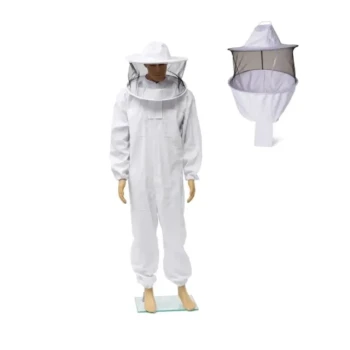
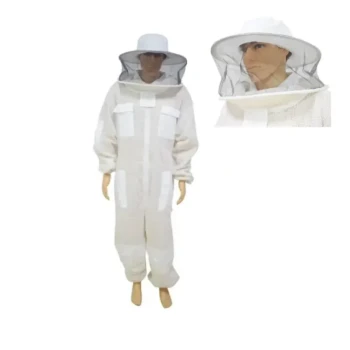
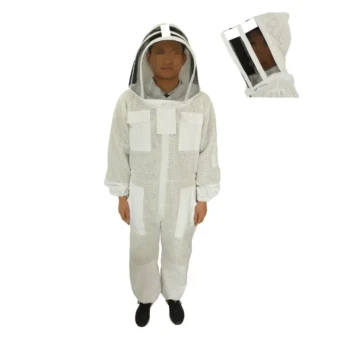
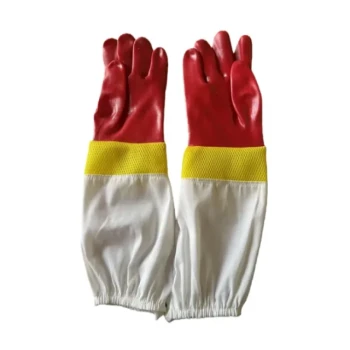
Beyond simple physical safety, industrial-grade bee suits act as a fundamental enablement tool for Quality Assurance (QA) within Good Laboratory Practice (GLP) frameworks. By neutralizing the physical threat of the apiary, these suits allow QA personnel to stand side-by-side with researchers, facilitating real-time verification of study protocols and ensuring that field operations remain transparent and standardized.
While the primary function of the suit is protection, its strategic value lies in access. By allowing auditors to safely enter the immediate testing environment, the gear transforms a remote observation process into a hands-on, close-range audit that guarantees data integrity.
Enabling Rigorous Quality Assurance
In large-scale honey bee field trials, the integrity of the data is as volatile as the environment itself. The industrial-grade bee suit functions as a bridge, bringing compliance officers directly into the operational zone.
Close-Range Audits
Distance is the enemy of accuracy in field research. Without industrial-grade protection, observers must maintain a safe distance, often missing critical nuances of the data collection process.
Equipped with these suits, QA personnel can implement close-range audits. They can lean in to inspect hive frames and observe handling techniques without fear of injury.
Side-by-Side Supervision
The GLP framework requires more than just post-hoc review; it often demands active monitoring.
The suit allows QA personnel to accompany researchers into the apiary. This side-by-side supervision ensures that the auditor is present for every step of the process, rather than relying on second-hand reports.
Ensuring Data Integrity and Standardization
The ultimate goal of using this gear is to support the scientific validity of the trial. The physical presence of QA personnel reinforces the study's protocol.
Real-Time Protocol Verification
Field operations must comply with a predetermined protocol to be valid.
By wearing the suit, the auditor can verify compliance in real-time. Deviations from the protocol can be spotted and documented immediately, preventing systemic errors in the data.
Transparency and Standardization
Data collection in the field is prone to variability.
The presence of a protected auditor ensures the standardization of the field data collection process. It creates a transparent environment where operations are conducted openly, knowing that a supervisor is watching closely.
Understanding the Operational Trade-offs
While the benefits of close-range auditing are clear, integrating this level of supervision introduces specific operational considerations.
The Dependency on Equipment
In a GLP environment, the audit is only as effective as the equipment allows.
If the industrial-grade gear fails or is unavailable, the QA process halts. You cannot substitute "remote viewing" for close-range inspection and maintain the same level of data certification.
The Burden of Compliance
Implementing side-by-side supervision doubles the logistical footprint in the apiary.
It requires additional gear and management to ensure that not only the researchers but also the non-scientific audit staff are adequately protected to perform their duties without distraction.
How to Apply This to Your Project
Understanding the dual role of protective gear is essential for planning large-scale trials.
- If your primary focus is Regulatory Compliance (GLP): Ensure your budget and operational plan include industrial-grade suits specifically for QA staff to permit mandatory close-range auditing.
- If your primary focus is Data Quality: Utilize the suits to place supervisors directly next to data collectors, ensuring real-time adherence to standardization protocols.
By viewing the bee suit as an instrument of compliance rather than just safety, you elevate the reliability of your field trial data.
Summary Table:
| Key Role | Functional Benefit | Impact on Field Trials |
|---|---|---|
| QA Access | Enables auditors to enter the immediate apiary zone safely. | Transforms remote observation into high-precision, close-range audits. |
| Real-Time Verification | Allows side-by-side supervision of researchers. | Immediate detection of protocol deviations to prevent systemic errors. |
| Standardization | Creates a transparent, supervised operational environment. | Ensures data collection remains consistent across large-scale variables. |
| GLP Compliance | Facilitates mandatory direct monitoring frameworks. | Certifies data integrity for regulatory and scientific validity. |
Elevate Your Apiary Operations with HONESTBEE
At HONESTBEE, we understand that large-scale honey bee field trials require more than just protection—they require precision. As a premier partner for commercial apiaries and distributors, we provide a comprehensive wholesale range of industrial-grade beekeeping gear, from high-durability protective suits to advanced honey-filling machines and specialized hive-making hardware.
Whether you are scaling your honey production or conducting rigorous scientific research, our professional-grade tools and essential consumables ensure your team—and your auditors—can work with total confidence. Empower your business with the industry's most reliable equipment.
Contact HONESTBEE today to discuss your wholesale needs
References
- G. Christopher Cutler, Cynthia Scott‐Dupree. Bee Ecotoxicology and Data Veracity: Appreciating the GLP Process. DOI: 10.1093/biosci/biw136
This article is also based on technical information from HonestBee Knowledge Base .
Related Products
- Professional Cotton Beekeeper Suit with Round Veil Design for Commercial Apiaries
- Premium Cotton Beekeeper Suit with Reinforced Fencing Veil
- Professional Beekeeper Suit with Square Folding Cotton Veil
- Premium Three Layer Ventilated Bee Suit with Round Veil
- Three-Layer Ventilated Beekeeper Suit with Structured Fencing Veil
People Also Ask
- What material and design specifications are recommended for a high-quality beekeeper suit? Top Gear Selection Guide
- How to Pre-treat Propolis Stains on Beekeeping Suits? Master Advanced Fabric Care and Soil Removal
- Why is it important to keep a beekeeping suit clean? Essential Safety & Maintenance Tips
- Is it generally safe to wash a beekeeping suit in a washing machine? Maintain Your Safety Gear Properly
- What are the primary functional requirements for a beekeeping suit to ensure user safety? Professional Sourcing Guide