Timing is critical when verifying a new queen. You must perform your initial inspection two to three days after installation to confirm she has been released from her shipping cage. A second, more thorough assessment should be conducted seven to ten days later to verify she has been accepted and is actively laying eggs.
Successful queen introduction relies on balancing attentive monitoring with minimal disturbance. Your primary goals are confirming the workers have accepted her pheromones after three days and verifying her reproductive viability after a week.
Phase 1: The Release Check (Day 2–3)
The first inspection is strictly operational. Your goal is to ensure the queen is no longer confined without disrupting the colony's acclimation process.
Verifying Exit
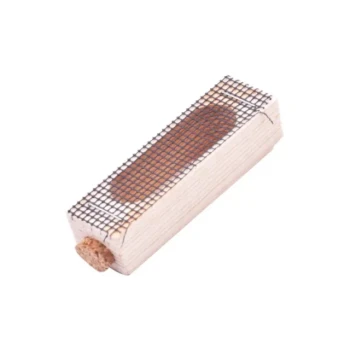
Open the hive two to three days after installation. Locate the queen cage to see if the candy plug has been consumed and the queen has exited.
The "Brush Test" for Aggression
If the queen is still inside the cage, you must assess the colony's attitude before releasing her. Gently brush the worker bees aside with your finger or a soft brush.
If the bees cling tightly to the cage or attempt to sting (balling the cage), they have not yet accepted her. Do not release her; wait another day or two.
Manual Release
If the workers are calm and easily brushed aside, acceptance is likely. You can manually release the queen by unplugging the candyless opening or carefully removing the screen, allowing her to walk onto a frame.
Phase 2: The Productivity Check (Day 7–10)
Once the queen is released, the colony needs time to settle. Returning too soon can cause the bees to kill the new queen due to stress.
Confirming Establishment
Return to the hive seven to ten days after the initial installation. This visit confirms that the queen is not only alive but functioning as the colony's reproductive head.
Identifying Success
You do not necessarily need to spot the queen herself, though seeing her is a positive sign. The definitive proof of success is the presence of eggs and young larvae. Finding a solid brood pattern indicates the queen is healthy, mated, and integrated.
Common Pitfalls to Avoid
Intervening incorrectly during these critical windows can lead to queen rejection or injury.
Premature Marking
Do not attempt to mark a new queen immediately upon release. You should wait until she has completed her mating flights and has successfully begun laying eggs.
Marking a queen before the colony has settled into a routine significantly increases the risk of the workers rejecting or killing her.
Risky Handling
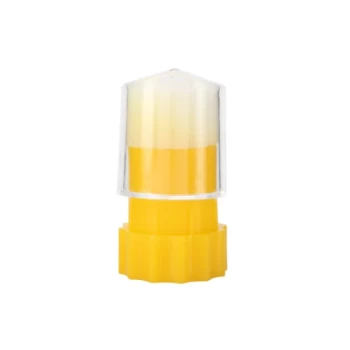
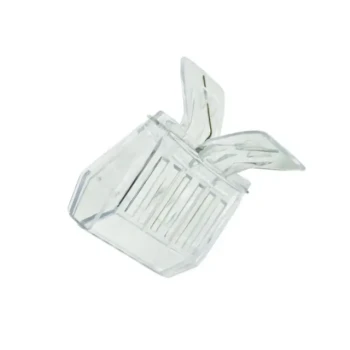
While experienced beekeepers may handle queens by hand, this poses unnecessary risks for those gaining experience. Using a round push-in queen marking cage is recommended to safely restrain the queen without injury.
If you must handle her manually, never squeeze the abdomen. Practice on drones first to gain confidence, and only grasp her by the wings or legs as described in advanced handling protocols.
Making the Right Choice for Your Colony
- If your primary focus is immediate acceptance: Perform the brush test on Day 3; if the bees are aggressive, leave the queen caged rather than forcing a release.
- If your primary focus is long-term colony health: Delay any cosmetic tasks, such as marking, until the "Productivity Check" confirms the presence of larvae.
Patience during the first ten days is the single most important factor in securing a thriving, queen-right hive.
Summary Table:
| Inspection Phase | Timing | Primary Objective | Key Indicator of Success |
|---|---|---|---|
| Phase 1: Release Check | 2–3 Days Post-Install | Confirm queen release from cage | Candy plug consumed; workers calm (not balling) |
| Phase 2: Productivity Check | 7–10 Days Post-Install | Verify queen acceptance and health | Presence of eggs and young brood pattern |
| Handling & Marking | After Establishment | Safe queen identification | Queen is laying and hive is stable |
Maximize Your Colony Productivity with HONESTBEE
Successful beekeeping starts with the right management and ends with professional-grade tools. At HONESTBEE, we specialize in supporting commercial apiaries and distributors with a comprehensive wholesale range designed for scale and efficiency.
Whether you need specialized hardware like hive-making and honey-filling machines, or essential industry consumables and tools to ensure your queens are safely integrated, we provide the full spectrum of equipment your business demands. Our portfolio even extends to honey-themed cultural merchandise to help you grow your brand presence.
Ready to elevate your beekeeping operations? Contact us today to discuss our bulk pricing and see how our premium tools and machinery can bring unparalleled value to your apiary.
Related Products
- Durable Galvanized Steel Spring Queen Bee Cage
- Portable Queen Bee Incubator with 12V Car Adapter for Safe Transport
- Professional Queen Bee Introduction and Transport Cage
- Heavy Duty Stainless Steel Queen Bee Catcher Clip
- Queen Bee Catcher Plastic Bee Marker Bottle with Piston Marking Tube
People Also Ask
- Why are specialized queen bee cages used for the banking of mated queen bees? Maximize Commercial Apiary Storage Efficiency
- What is the mechanism of action for using temporary queen bee cages? Master Successful Queen Introduction
- What is the step-by-step process for installing a queen bee's cage onto a frame? Ensure Hive Acceptance Safely
- What is the optimal placement for a queen bee cage? Essential Strategies for Successful Re-queening
- What are the advantages and disadvantages of introducing a queen bee by embedding the cage? Boost Your Queen Acceptance