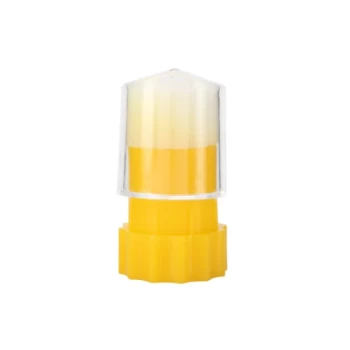
Large-capacity plastic beakers and sealing films serve as the physical infrastructure for the ethanol wash method, enabling the rigorous mechanical agitation required for precise Varroa mite detection. Specifically, a 600ml plastic beaker acts as the reaction vessel to submerge honeybee samples, while the sealing film creates an airtight barrier that allows the container to be shaken vigorously for 5 to 10 minutes without leakage.
Core Takeaway The combination of a high-volume beaker and a durable sealing film transforms a simple soak into a dynamic physical separation process. This setup allows for aggressive agitation that, combined with the chemical properties of ethanol, ensures Varroa mites are fully detached from bee bodies for an accurate population count.
The Role of the Reaction Vessel
Capacity for Total Submersion
The primary function of the beaker is to serve as a high-volume reaction vessel. A large-capacity model, such as a 600ml plastic beaker, provides sufficient space to house both the honeybee sample and the high-concentration ethanol solution.
Optimizing Chemical Exposure
Ample volume ensures that the bees are completely submerged. This allows the ethanol to effectively act as a lubricant and cleaning medium, coating every insect to facilitate the separation process.
The Critical Function of Sealing Film
Enabling Vigorous Agitation
The sealing film is not merely a cover; it is a mechanical enabler. By creating an airtight seal over the beaker, it permits the operator to perform the required 5 to 10 minutes of vigorous shaking.
Preventing Sample Loss
During the intense agitation phase, the solution acts to degrease and elute the mites. The film prevents this chemically active fluid from leaking, ensuring the concentration of ethanol remains constant and the sample remains intact.
The Mechanism of Separation
Chemical Degreasing
Inside the sealed beaker, the ethanol (typically a 70% solution) works to reduce surface tension. It breaks the strong adhesion between the Varroa mites and the honeybee's body hairs.
Physical Detachment
While the ethanol chemically loosens the grip, the physical shaking provided by the operator drives the separation. The agitation causes the detached mites to fall away from the bees and settle at the bottom of the beaker for easy counting.
Common Pitfalls to Avoid
Insufficient Agitation Time
A common error is shortening the shaking duration to avoid leaks or fatigue. The method requires a full 5 to 10 minutes of vigorous movement to ensure all mites are dislodged; stopping early can lead to undercounting.
Compromised Seals
If the sealing film is not applied correctly or is of low quality, leakage will occur. This not only creates a hazard but also changes the fluid ratio inside the beaker, potentially reducing the efficacy of the wash.
Incorrect Solvent Concentration
While the hardware is important, the solvent matters equally. Using a concentration other than the recommended 70% ethanol may fail to adequately reduce surface tension or anesthetize the mites effectively.
Making the Right Choice for Your Goal
To ensure your Varroa infestation surveys yield scientifically rigorous results, apply the equipment as follows:
- If your primary focus is Accuracy: Ensure the sealing film is applied tightly to permit the full 10 minutes of agitation without fear of leakage.
- If your primary focus is Consistency: Use a standardized 600ml beaker for all tests to maintain a consistent ratio of bees to ethanol solution across different hives.
The reliability of your infestation data depends entirely on maintaining a sealed, chemically active environment that creates total physical separation between host and parasite.
Summary Table:
| Component | Key Role | Benefit for Mite Detection |
|---|---|---|
| 600ml Plastic Beaker | Reaction Vessel | Ensures total bee submersion for maximum chemical exposure |
| Durable Sealing Film | Airtight Barrier | Enables the 5-10 minutes of vigorous agitation required for separation |
| 70% Ethanol Solution | Chemical Solvent | Reduces surface tension to detach mites from the bee's body hairs |
Optimize Your Hive Health with HONESTBEE
Ensure the highest accuracy in your pest management with professional-grade tools. HONESTBEE specializes in supporting commercial apiaries and distributors with a comprehensive wholesale offering.
We provide everything from high-quality laboratory consumables for mite testing to advanced hardware, including hive-making and honey-filling machinery. Whether you need essential beekeeping equipment or unique honey-themed cultural merchandise, we deliver the quality and scale your business demands.
Contact us today to explore our wholesale catalog and enhance your apiary's efficiency.
References
- Moses Chemurot, Dirk C. de Graaf. Factors influencing the prevalence and infestation levels of Varroa destructor in honeybee colonies in two highland agro-ecological zones of Uganda. DOI: 10.1007/s10493-016-0013-x
This article is also based on technical information from HonestBee Knowledge Base .
Related Products
- Varroa Easy Check Mite Tester Kit Counter Alcohol Wash Jar
- Langstroth Screen Bottom Board for Beekeeping Wholesale
- Compact Circular Bee Mite Treatment Dispenser
- Adjustable Formic and Acetic Acid Dispenser for Bee Mite Treatment
- Transparent Plastic Bee Catcher Queen Marker Tube Cage Beekeeping Tool Equipment
People Also Ask
- What tools are utilized within an Integrated Pest Management (IPM) strategy for honeybees? Optimize Colony Health
- What is the significance of standardized detection tools in Varroa control? Data-Driven Beekeeping Strategies
- Why is surfactant added to 70% alcohol for Varroa detection? Ensure Accurate Mite Counts for Professional Beekeeping
- What is the purpose of using white filter cloth for Varroa mite screening? Enhance Detection and Accuracy
- How does a specialized Varroa mite tester with sugar powder facilitate mite diagnosis? Precise B2B Hive Health Solutions