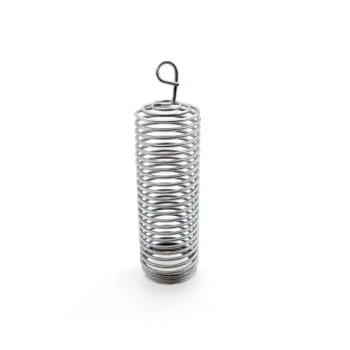
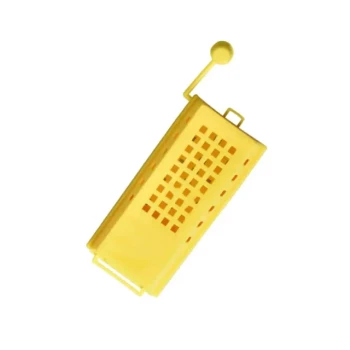
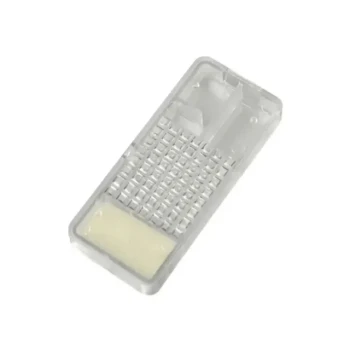
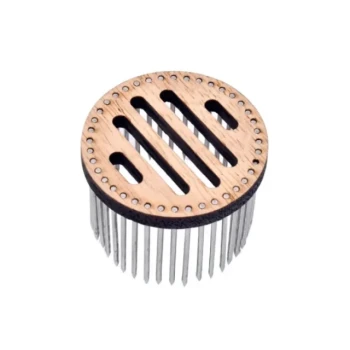
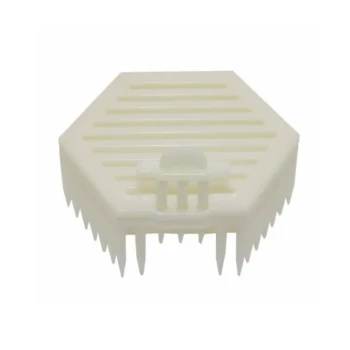
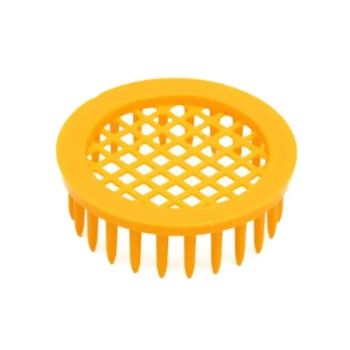
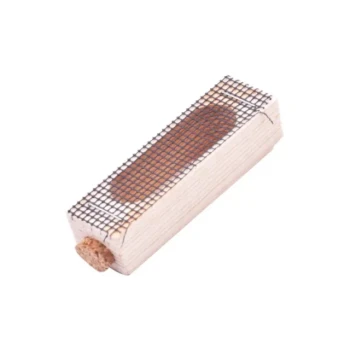
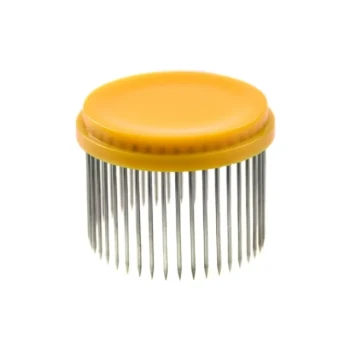
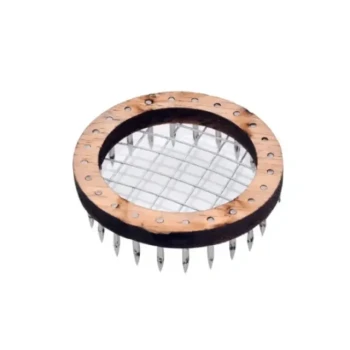
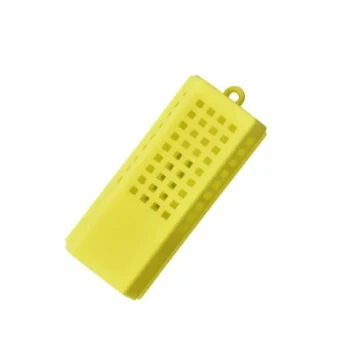
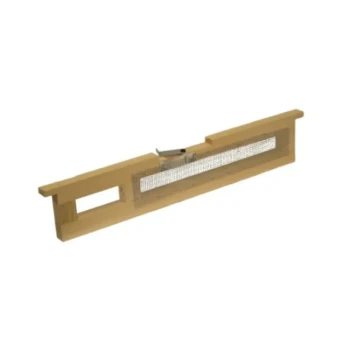
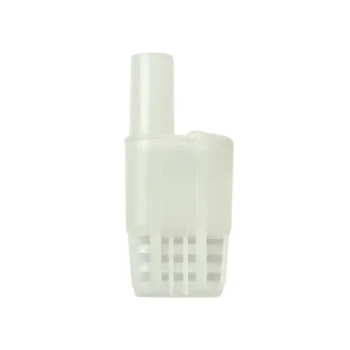
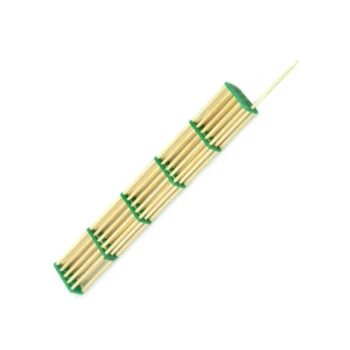
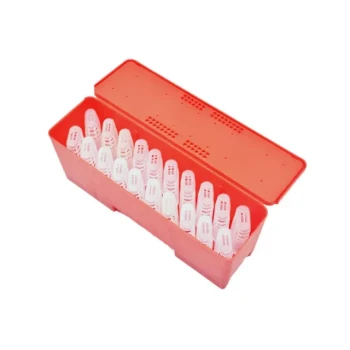
The primary mechanism for protecting a newly introduced queen bee is a physical introduction cage. This device acts as a temporary fortress, separating the new queen from the established colony workers. It prevents immediate physical contact and lethal aggression while allowing the bees to investigate the new arrival safely through a mesh or screen.
A colony views a new queen as an intruder, triggering a defensive instinct that often leads to lethal attacks. The introduction cage creates a critical "acclimatization window," ensuring the queen is physically safe while the colony gradually accepts her unique pheromones.
The Mechanics of Queen Protection
The Physical Barrier
The immediate danger to a new queen is the colony's worker bees. Upon detecting a stranger, workers may attempt to sting or kill her.
The cage creates a wall between the queen and the potential aggressors. While workers may swarm or cling to the outside of the cage, the mesh structure ensures they cannot reach her with their mandibles or stingers.
Preventing "Balling"
A specific aggressive behavior known as balling occurs when workers surround a queen in a tight cluster to overheat or suffocate her.
The cage makes this behavior ineffective. Even if workers attempt to ball the cage itself, the queen remains suspended inside, isolated from the crushing heat and pressure of the cluster.
Pheromone Acclimatization
Protection is not just about physical shielding; it is about changing the colony's chemical perception.
The cage allows air to circulate freely. Over a period of days, the new queen's pheromones slowly permeate the hive. This gradual exposure rewires the colony's identification system, transitioning the queen's status from "intruder" to "ruler" before the physical barrier is removed.
Handling Considerations and Risks
The Risk of Wet Markings
If you are marking the queen with paint for identification, protection begins before she even enters the hive.
You must confine the queen for several minutes after marking to ensure the paint dries completely. If released while the paint is wet, attendant bees may aggressively groom her to remove it, potentially injuring her or rejecting her due to the foreign smell of the wet paint.
Avoiding Physical Injury
The process of placing the queen into the hive carries its own risks.
When inserting the frame containing the queen or the cage, you must be extremely careful not to "roll" her against other frames. Physical trauma during insertion can damage her reproductive capabilities or kill her outright, rendering the protection of the cage moot.
Ensuring a Successful Introduction
Timing is Critical
The protection of the cage must not be removed too early.
If the queen is released before the colony has fully acclimatized to her scent, the workers will revert to defensive behavior. The cage buys the necessary time for this chemical integration to stabilize.
Best Practices for Queen Survival
To maximize the survival rate of your new queen, consider your specific objectives:
- If your primary focus is survival rate: Keep the queen in the cage until you see no signs of aggression (biting the bars) from the workers outside.
- If your primary focus is identification: Ensure any marking paint is 100% dry before placing the queen or her cage near the colony to prevent aggressive grooming.
- If your primary focus is colony stability: Allow the cage to remain in the broodnest for several days to ensure thorough pheromone distribution.
Patience during the caged period is the single most important factor in transitioning a hostile colony into a loyal one.
Summary Table:
| Protection Method | Primary Function | Key Benefit |
|---|---|---|
| Physical Cage | Barrier against workers | Prevents stinging and physical injury (balling) |
| Pheromone Distribution | Gradual scent exposure | Transitions queen status from 'intruder' to 'ruler' |
| Drying Time | Post-marking confinement | Prevents aggressive grooming and rejection due to wet paint |
| Careful Insertion | Avoids frame 'rolling' | Protects the queen from physical trauma during hive entry |
Maximize Your Apiary's Success with HONESTBEE
Successful queen introduction is the heartbeat of a thriving hive. At HONESTBEE, we empower commercial apiaries and distributors with the professional-grade tools needed to ensure colony stability and growth.
From specialized queen introduction cages to advanced hive-making and honey-filling machinery, we provide a comprehensive wholesale portfolio of beekeeping equipment and industry consumables. Partner with us to access high-quality hardware and unique honey-themed merchandise designed for the modern beekeeping industry.
Ready to scale your operations? Contact us today to explore our wholesale solutions and see how HONESTBEE can deliver value to your business.
Related Products
- Durable Galvanized Steel Spring Queen Bee Cage
- Professional Queen Cage with Sliding Gate and Feeder Plug
- Professional Queen Bee Introduction and Transport Cage
- Professional Multi-Functional Queen Bee Cage
- Premium Wood and Steel Push In Queen Cage
People Also Ask
- Why are specialized queen bee cages used for the banking of mated queen bees? Maximize Commercial Apiary Storage Efficiency
- What is the mechanism of action for using temporary queen bee cages? Master Successful Queen Introduction
- What is the step-by-step process for installing a queen bee's cage onto a frame? Ensure Hive Acceptance Safely
- What is the optimal placement for a queen bee cage? Essential Strategies for Successful Re-queening
- What are the advantages and disadvantages of introducing a queen bee by embedding the cage? Boost Your Queen Acceptance