To prepare a bee colony for winter, a top feeder should be utilized 2-3 months before the first frost. This critical window allows you to provide a mixture of syrup and pollen substitute, ensuring the colony has the resources to rear a specific generation of "winter bees." By feeding at this stage, you improve the colony's nutrient intake exactly when they are developing the brood that must survive the cold months.
The activation timing of your top feeder dictates the colony's biological priority. Early feeding focuses energy on increasing the population, while late feeding shifts the focus to food storage.
Strategic Timing for Colony Structure
Using a top feeder is not a passive activity; it is a mechanism for controlling energy allocation within the hive. The impact of the feeder changes depending on when you install it.
The Window for Population Growth
To prioritize the rearing of winter bees, you must activate the feeder early, typically around August or 2-3 months prior to frost.
At this stage, the influx of nutrition stimulates the queen and workers to increase brood production. This ensures a larger population of adult bees is available to keep the cluster warm during winter.
The Window for Food Storage
If the feeder is activated later in the season, such as September or October, the colony’s biological response changes.
Instead of converting resources into new brood, the bees prioritize the accumulation of honey storage. This is critical for ensuring the colony has enough physical fuel to consume during the freezing months, but it does little to increase the bee population.
Nutritional composition and Mechanics
Success depends on what you put in the feeder and how the feeder functions physically.
Dual-Nutrient Feeding
Fluid syrup provides the carbohydrates necessary for energy, but it is not sufficient for raising healthy larvae on its own.
For optimal winter preparation, the primary reference suggests pairing the liquid feed with a pollen substitute. This combination ensures the colony has the protein required to rear healthy, robust winter brood.
Minimizing Colony Disturbance
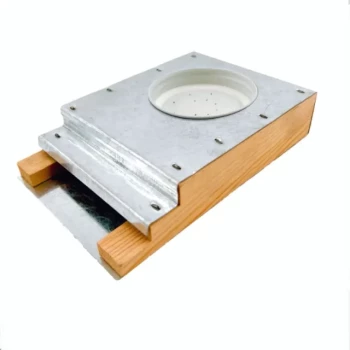
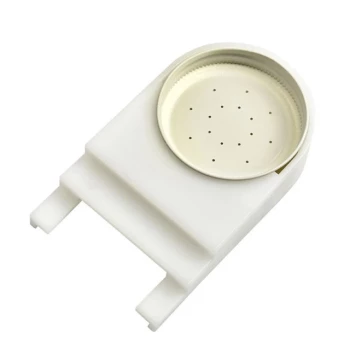
One of the distinct technical advantages of a top feeder is its location in an empty top box, separated from the main colony.
Refilling the feeder requires only the removal of the outer lid and inner cover. Because you do not need to dismantle the brood boxes, the colony remains undisturbed, often eliminating the need for a smoker and significantly reducing the risk of stings.
Understanding the Trade-offs
While top feeders are effective tools, mismanaging the timing can lead to suboptimal colony "architecture" going into winter.
The Allocation Dilemma
You cannot maximize brood rearing and food storage simultaneously with equal intensity.
The trade-off is determined by your start date. Focusing strictly on late activation ensures heavy stores but may leave the colony with an insufficient population of young bees to survive until spring.
Resource Dependency
Relying on the feeder implies you are intervening in the colony's natural cycle.
You must precisely control the intervention time based on the actual status of the colony. Applying a "one size fits all" schedule without inspecting the hive's current population or stores can lead to an imbalance in the colony structure.
Making the Right Choice for Your Goal
To maximize the effectiveness of a top feeder, you must align your feeding schedule with the specific deficit your colony is facing.
- If your primary focus is increasing the population: Start feeding syrup and pollen substitute in August (or 2-3 months before frost) to drive brood rearing.
- If your primary focus is increasing food reserves: Activate the feeder in September or October to force the colony to backfill the comb with honey stores.
Precise timing converts a simple feeding device into a powerful tool for biological management.
Summary Table:
| Feeding Goal | Timing (Pre-Frost) | Primary Resource | Colony Response |
|---|---|---|---|
| Population Growth | 2-3 Months (Aug) | Syrup + Pollen Sub | Stimulates queen to rear robust "winter bees" |
| Food Storage | 1-2 Months (Sept/Oct) | Thick Syrup | Bees prioritize backfilling combs for fuel reserves |
| Late Maintenance | < 1 Month | High-Calorie Syrup | Emergency storage with minimal brood stimulation |
Maximize Your Colony’s Winter Survival with HONESTBEE
At HONESTBEE, we understand that commercial success in beekeeping depends on the health of your colonies. As a leading provider for commercial apiaries and distributors, we offer a comprehensive wholesale range of high-capacity top feeders, specialized hive-making machinery, and premium industry consumables designed to streamline your winter preparations.
Whether you are scaling your operation or stocking a distribution network, our portfolio provides the specialized hardware and honey-themed merchandise you need to grow. Contact us today to discuss our wholesale offerings and discover how our professional-grade equipment can enhance your apiary’s efficiency and winter success.
Related Products
- HONESTBEE Round Hive Top Bee Feeder for Syrup
- HONESTBEE Professional Hive Top Bee Feeder Feeding Solution
- Professional Hive Top Bee Feeder for Beekeeping
- HONESTBEE Square Top Hive Bee Feeder Top Bee Feeder
- Rapid Bee Feeder White Plastic 2L Round Top Feeder for 8 or 10-Frame Bee Hives
People Also Ask
- What can the round hive top feeder be used for? A Guide to Efficient, Safe Bee Feeding
- What is the capacity of the round hive top feeder for syrup and pollen? A Guide to Targeted Apiary Support
- What types of hive boxes is the round hive top feeder compatible with? Universal Fit for 8 & 10-Frame Langstroth Hives
- What types of feed can be used with the round hive top feeder? Versatile Feeding for Optimal Apiary Health
- How do you use a top feeder for bees? Expert Guide to Installation and High-Volume Hive Feeding