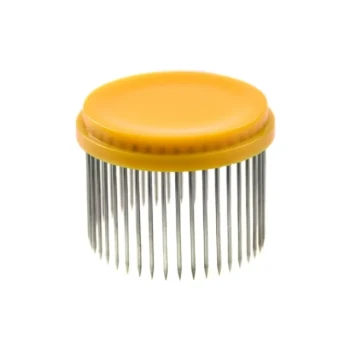
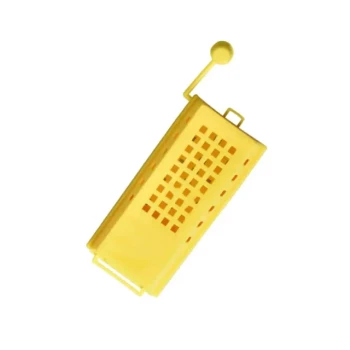
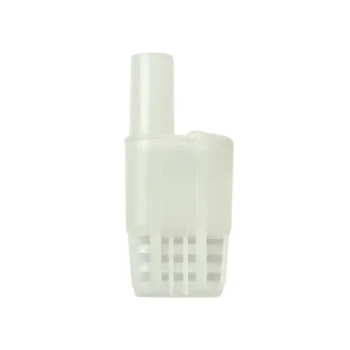
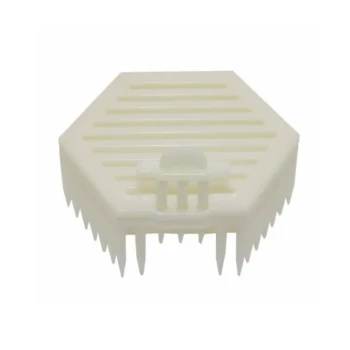
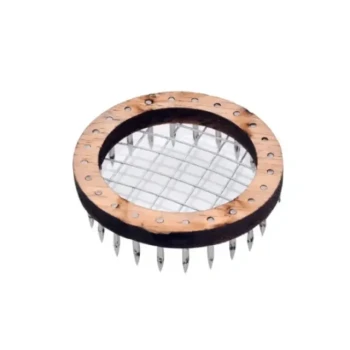
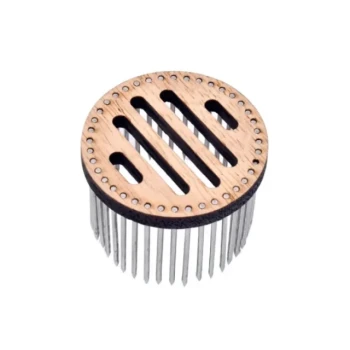
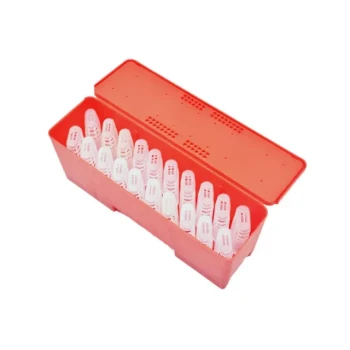
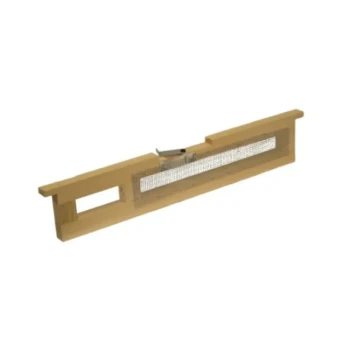
Round queen cages offer the most practical solution for managing extra queens. When unexpected queens emerge from grafting, these specific cages allow you to immediately confine and protect the virgins. By securing them within these enclosures, you prevent the queens from eliminating one another while safely maintaining them for future use.
The most effective strategy is to "bank" surplus queens directly inside the cell builder using round queen cages, preserving them for later introduction rather than discarding them.
The Mechanics of Queen Banking
Utilizing Round Queen Cages
The primary tool for this technique is the round queen cage.
These cages are designed to isolate the queen while still allowing pheromonal and physical interaction with the colony through the mesh.
By placing emerging virgins into these cages, you immediately stop the natural instinct of a newly hatched queen to destroy competing queen cells or rival virgins.
Leveraging the Cell Builder
The reference explicitly advises keeping these caged queens within the cell builder unit.
The cell builder is already populated with nurse bees conditioned to care for developing queens.
Banking the cages here ensures the confined queens receive necessary food and attention through the cage mesh from the surrounding workforce.
Dual-Purpose Functionality
Seamless Transition to Introduction
The utility of round queen cages extends beyond mere storage.
The primary reference notes that these same containment units serve as effective introduction cages.
This allows you to move a banked queen directly from the cell builder to a queenless colony without the stress of transferring her to a different apparatus.
Understanding the Trade-offs
Banking is Temporary
While banking in a cell builder is effective, it is not a permanent storage solution for virgin queens.
Virgins have a biological clock regarding mating flights; if confined for too long, they may lose the ability to mate successfully.
This method should be viewed as a short-term holding strategy to buy time for preparing mating nucs or finding recipient colonies.
Resource Dependency
Banking requires a strong population of nurse bees in the cell builder to care for the caged queens.
If the cell builder population creates a bottleneck in feeding, the quality of the banked queens may deteriorate.
You must ensure the cell builder remains heavily populated and well-fed to support the "banked" livestock.
Making the Right Choice for Your Goal
To maximize the utility of your grafting efforts, apply the following strategies:
- If your primary focus is Asset Preservation: Immediately isolate all extra emerging virgins in round cages within the cell builder to prevent fratricide.
- If your primary focus is Colony Expansion: Use the banking period to prepare target colonies, then utilize the same round cage to introduce the queen directly.
By using round cages to turn surplus emergence into a bankable resource, you significantly increase the efficiency of your queen rearing operation.
Summary Table:
| Management Aspect | Strategy | Key Benefit |
|---|---|---|
| Immediate Action | Use Round Queen Cages | Prevents queens from killing rivals (fratricide) |
| Storage Location | Cell Builder Unit | Ensures nurse bees provide constant feeding and care |
| Equipment Type | Dual-Purpose Cages | Simplifies the transition from storage to introduction |
| Best Use Case | Short-term Banking | Preserves virgin queens while preparing mating nucs |
Maximize Your Apiary's Productivity with HONESTBEE
Don't let valuable queen stock go to waste. HONESTBEE provides professional-grade beekeeping tools, including specialized round queen cages and automated honey-filling machines, designed specifically for commercial apiaries and global distributors.
Whether you are scaling your queen-rearing operation or looking for high-quality consumables and hardware, we deliver the comprehensive wholesale solutions you need to thrive. Contact us today to discuss how our tailored equipment and industrial expertise can streamline your beekeeping business!
Related Products
- Professional Round Push-In Queen Cage with Metal Tines
- Professional Queen Cage with Sliding Gate and Feeder Plug
- Multi-Function Queen Roller Cage and Catcher
- Professional Multi-Compartment Queen Cage with Sliding Lid
- Hexagonal Direct Comb Introduction Queen Bee Cage
People Also Ask
- How can a beekeeper obtain a push-in queen cage? DIY vs. Professional Sourcing Guide
- What advantages do push-in queen cages offer? Boost Acceptance Rates for Artificially Inseminated Queens
- What is a push-in queen cage and how does it differ from a standard queen cage? Boosting Your Queen Acceptance Rates
- What is a push-in queen cage and how does it differ from standard cages? Achieve Higher Queen Acceptance Rates
- When is a queen introduced with a push-in cage ready for full release? Key Signs for Maximum Colony Acceptance