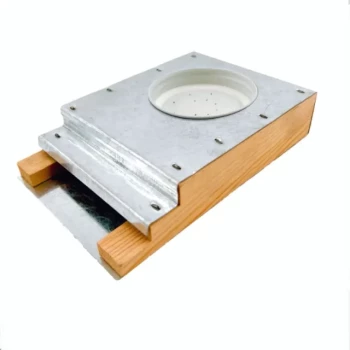
Feeding systems and protective additives mitigate chemical impact by delivering biological agents that strengthen the honeybee’s internal resistance while providing a nutritional safety net. These systems introduce probiotics and antioxidants directly into the colony, regulating the honeybee microbiome and enhancing its ability to process pesticide residues. When integrated with precision application hardware, these tools allow commercial colonies to maintain high production levels even in environments subject to intensive chemical treatments.
Core Takeaway: To protect commercial apiaries, a dual-layered approach is required: specialized feeding systems must fortify the bees' internal biology with protective additives, while precision application and isolation technologies minimize external exposure to chemical drift.
Biological Fortification via Feeding Systems
Microbiome Regulation and Pesticide Resistance
Specialized feeding systems are the primary delivery method for biological agents that regulate the honeybee microbiome. These additives enhance the bees' natural resistance to pesticide residues, allowing them to survive and forage in orchards where fungicides are present.
Maintaining the Antioxidant System
Exposure to environmental toxins often triggers oxidative stress within the honeybee's system. Protective additives, delivered through automatic feeders, provide the necessary nutrients to support the bee's antioxidant defenses, preventing the physiological damage caused by neurotoxic insecticides.
Stabilizing Colonies During Scarcity
Automatic feeding systems ensure that larvae receive consistent nutrition during periods of natural nectar scarcity or extreme weather. This nutritional stability is vital for preventing Colony Collapse Disorder (CCD) and maintaining the colony’s immune system when external stressors are high.
Environmental Mitigation and Exposure Control
Precision Spraying and Drift Reduction
The use of directional application technology and precise atomization control in spraying equipment is critical. By reducing chemical drift, these systems ensure that neurotoxic agents like neonicotinoids do not contaminate the areas where bees are actively foraging.
Physical Isolation and Site Selection
B2B operators utilize physical isolation covers and vegetation-based site screening to create a barrier between bees and chemicals. These protective consumables are essential for managing colonies during peak pesticide application seasons to prevent mass mortality events.
Toxicity Risk Monitoring
Specialized hardware and monitoring consumables allow beekeepers to assess the toxicity risk of the surrounding environment in real-time. This data-driven approach enables proactive site selection and the timely implementation of isolation strategies.
Understanding the Trade-offs
The Complexity of System Integration
While feeding systems are highly effective, they require precise calibration to avoid over-supplementation. Over-reliance on artificial feed can sometimes lead to a neglect of natural forage quality, making professional expertise in colony management essential for long-term health.
Initial Investment vs. Long-term Yield
Implementing a full-spectrum portfolio of precision sprayers and automatic feeders involves higher upfront costs. However, for commercial distributors, this investment is offset by the significantly higher purity of honey products and the reduction in colony replacement costs.
How to Apply This to Your Distribution Strategy
As a professional distributor or reseller, your goal is to provide a comprehensive solution that ensures both orchard productivity and apiary health. Highlighting a full-spectrum product portfolio allows you to serve as a one-stop shop for these critical technical needs.
- If your primary focus is maximizing colony survival: Prioritize the distribution of automatic feeding systems and probiotic-rich protective additives to build internal resilience.
- If your primary focus is reducing environmental contamination: Focus on sourcing precision plant protection equipment with advanced atomization control to minimize chemical drift.
- If your primary focus is operational efficiency: Leverage our ultra-fast delivery and deep industry expertise to ensure your clients have the necessary monitoring hardware before the spraying season begins.
By combining advanced biological fortification with precise environmental controls, commercial orchards can achieve a sustainable balance between chemical crop protection and honeybee health.
Summary Table:
| Mitigation Method | Primary Mechanism | Key Benefit for Apiaries |
|---|---|---|
| Feeding Systems | Delivery of biological agents/probiotics | Regulates microbiome and increases pesticide resistance |
| Protective Additives | Antioxidant and nutritional fortification | Neutralizes oxidative stress from neurotoxic insecticides |
| Precision Hardware | Directional atomization & drift control | Minimizes external exposure to harmful chemical residues |
| Monitoring Tools | Real-time toxicity risk assessment | Enables proactive site selection and colony isolation |
| Physical Barriers | Isolation covers and screening | Protects bees during peak chemical application windows |
Partner with HONESTBEE for High-Performance Beekeeping Solutions
Empower your distribution network with HONESTBEE, your premium one-stop source for professional beekeeping hardware and consumables. We cater specifically to distributors, wholesalers, and B2B resellers by providing a full-spectrum product portfolio—from advanced automatic feeding systems and protective additives to hive-making machinery and honey-filling equipment.
Why Choose HONESTBEE?
- Comprehensive Wholesale Offering: Access everything from specialized hardware to honey-themed cultural merchandise.
- B2B Focused Support: Benefit from competitive profit margins, flexible OEM/ODM support, and deep professional industry expertise.
- Operational Excellence: Experience ultra-fast delivery, rapid response times, and efficient order fulfillment to meet seasonal demands.
Ready to enhance your product lineup and provide superior value to commercial orchards and apiaries?
References
- Marina Pliushchik, Pauliina Rautio. Imagining well with almonds and honeybees in the Capitalocene – five multispecies movements for environmental and sustainability education. DOI: 10.1080/00958964.2023.2259850
This article is also based on technical information from HonestBee Knowledge Base .
Related Products
- HONESTBEE Entrance Bee Feeder Efficient Hive Front Liquid Feeding Solution for Beekeeping
- Classic Boardman Entrance Bee Feeder Hive Front Feeding Solution
- HONESTBEE Professional Hive Top Bee Feeder Feeding Solution
- Rapid Bee Feeder White Plastic 2L Round Top Feeder for 8 or 10-Frame Bee Hives
- Boardman Entrance Bee Feeder Durable Galvanized Steel and Wood Construction for Beekeeping
People Also Ask
- What types of bee feeders are available for beginners? Start with the Simple Entrance Feeder
- What are the advantages and disadvantages of using an entrance feeder for bees? Balance Convenience and Hive Security.
- What is a bee entrance feeder and what are its drawbacks? Essential Guide to Hive Security and Feeding Efficiency
- How does a bee entrance feeder work? A Simple Guide to Convenient Hive Feeding
- How to make an entrance feeder for bees? A DIY Guide for Safe & Effective Feeding