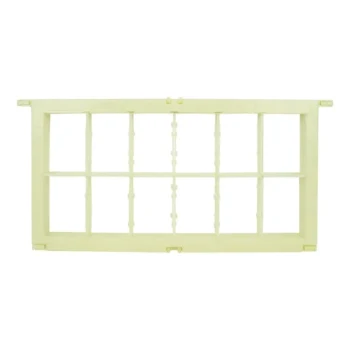
Freezing temperatures act as a critical control measure for preserving honey frames by eliminating wax moth eggs before they can hatch and destroy the comb. This physical eradication process requires exposing the frames to freezing conditions—either naturally outdoors in cold climates or artificially in a freezer for a minimum of 24 hours—to ensure the equipment is safe for future colony use.
By targeting the wax moth lifecycle at the egg stage, freezing allows for the purification of contaminated consumables without the use of chemical treatments, ensuring frames are residue-free and ready for reuse.
The Mechanism of Protection
Targeting the Source
Wax moths cause damage when their larvae burrow through the comb, consuming wax and pollen. Freezing prevents this damage entirely by killing the eggs hidden in the comb crevices before they can develop into destructive larvae.
A Physical Eradication Process
Unlike fumigants or pesticides, freezing is a physical treatment method. It effectively sanitizes the equipment of pests—including wax moths and Small Hive Beetles (SHB)—without introducing chemical residues that could contaminate future honey or harm the bees.
Climate-Specific Application Strategies
For Beekeepers in Colder Regions
If you live in a climate where winter temperatures frequently drop below freezing, you can utilize the natural environment. Store your honey frames outdoors during the winter months to let nature handle the eradication process.
For Beekeepers in Warmer Climates
In regions where freezing temperatures are inconsistent or non-existent, you must use mechanical refrigeration. Place the frames in a freezer for at least 24 hours. This duration is critical to ensure the cold penetrates the wax and kills the eggs effectively.
Common Pitfalls and Requirements
The Necessity of Mouse-Proofing
When utilizing the outdoor storage method in cold climates, you solve one problem but risk another. Frames stored outside must be kept in a mouse-proof location, as rodents are attracted to the wax and pollen residue left on the frames.
Storage Post-Freezing
Freezing kills existing eggs, but it does not prevent new moths from laying eggs on the frames once they are removed from the cold. Immediately after freezing, frames must be stored in a sealed environment to prevent re-infestation.
Making the Right Choice for Your Apiary
To effectively integrate freezing into your apiary management, consider your specific constraints:
- If your primary focus is low-cost management in a cold climate: Utilize outdoor storage, but strictly ensure the enclosure is fortified against rodents.
- If your primary focus is reliability in a warm climate: Commit to a strict cycle of placing frames in a chest freezer for 24 hours before moving them to long-term sealed storage.
- If your primary focus is chemical-free purity: Rely exclusively on freezing as your sterilization method to maintain high-quality, organic-standard combs.
Freezing is the most reliable, non-toxic method to secure your equipment investment against wax moth destruction.
Summary Table:
| Method | Target Pest Stage | Minimum Duration | Primary Advantage |
|---|---|---|---|
| Natural Outdoor Freezing | Eggs & Larvae | Entire Winter Season | Cost-effective; zero energy usage |
| Mechanical Freezer | Eggs & Larvae | 24 Hours | Reliable year-round; fast turnaround |
| Chemical-Free Storage | N/A | Post-treatment | Maintains organic honey standards |
Secure Your Apiary Investment with HONESTBEE
Protecting your honey frames is just the beginning. At HONESTBEE, we understand the complex needs of commercial apiaries and distributors. Whether you are scaling up production or outfitting a regional distribution network, we provide the industrial-grade tools and equipment necessary for success.
Why Partner with HONESTBEE?
- Comprehensive Wholesale Range: From specialized hive-making and honey-filling machinery to high-durability beekeeping tools.
- Industry Consumables: A wide array of essential supplies to keep your operations running smoothly year-round.
- Cultural Merchandise: Unique honey-themed merchandise to diversify your retail portfolio.
Don't let pests or subpar equipment hinder your growth. Contact us today to discover how our wholesale solutions can enhance your efficiency and bottom line.
Related Products
- Professional Sectional Comb Honey Frame with 250g Cassette System for Beekeeping
- Heart-Shaped Comb Honey Frame and Honeycomb Cassette
- Plastic Honey Comb Frames Cassette Box for Honey
- Assembled Wooden Bee Frames with Beeswax Foundation Ready to Use by HONESTBEE
- Assembled Wooden Bee Frames with Plastic Foundation for Durability and Convenience by HONESTBEE
People Also Ask
- How are honeybee combs utilized for non-destructive colony monitoring? Master Population Density Tracking
- What is the technical purpose of exchanging honeycomb frames? Master Apiary Equalization for Growth
- What frame to use for honeycomb? Choose the Right System for Pure, Edible Comb
- What is a honeycomb frame? The Key to Modern, Sustainable Beekeeping
- What are the recommended temperature and duration settings for freezing honey frames? Ensure Pest-Free Comb Storage