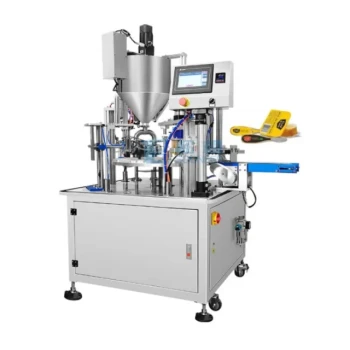
Temperature conversion is a calibration step, not a cosmetic calculation. When honey machinery displays Fahrenheit but operating limits are specified in Celsius, use °C = (°F − 32) ÷ 1.8 to set the correct heating threshold. For example, 140°F = 60°C, helping technicians configure liquefiers, pasteurizers, and filling machines without accidentally exceeding the intended temperature.
The practical rule: Convert the target temperature before programming the controller, then verify the actual product temperature at multiple points in the equipment. Accurate conversion, stable low-temperature heating, and independent verification work together to protect honey quality and maintain reliable filling performance.
Why Temperature Conversion Matters in Honey Machinery
Different systems may use different units
Honey-processing equipment, temperature sensors, technical manuals, and quality specifications may not use the same temperature scale.
A controller configured in Fahrenheit can therefore be misadjusted when the operating requirement is stated in Celsius. A small unit-conversion error may cause unnecessary heating, poor flow control, or thermal damage.
Honey quality depends on controlled heating
Heating reduces honey viscosity and improves flow through pumps, valves, nozzles, and filling lines. Controlled heating around 40°C is commonly used to improve handling and help dissolve crystals.
However, excessive heat can damage enzymes, alter flavor and color, and accelerate the formation of hydroxymethylfurfural (HMF), an important indicator of thermal deterioration.
Calibration supports both quality and productivity
Correct temperature settings help machinery maintain consistent viscosity during filling without exposing the product to unnecessary thermal stress.
For distributors, wholesalers, and equipment resellers, this makes temperature accuracy a business issue as well as a technical one: reliable controls reduce rejected batches, filling inconsistencies, service calls, and customer complaints.
Applying the Conversion Formulas
Convert Fahrenheit to Celsius
Use this formula when the machine display or controller uses Fahrenheit but the process specification uses Celsius:
°C = (°F − 32) ÷ 1.8
For example:
(140 − 32) ÷ 1.8 = 60°C
A machine operating at 140°F is therefore operating at approximately 60°C.
Convert Celsius to Fahrenheit
Use the reverse formula when a Celsius-based process specification must be entered into a Fahrenheit controller:
°F = (°C × 1.8) + 32
For example:
(40 × 1.8) + 32 = 104°F
A target of 40°C corresponds to 104°F.
Build a conversion table for operators
A simple reference table reduces repeated calculation errors during installation and operation.
| Celsius | Fahrenheit |
|---|---|
| 40°C | 104°F |
| 50°C | 122°F |
| 60°C | 140°F |
| 65°C | 149°F |
The table should be placed near the controller, included in operating instructions, and reviewed during technician training.
Calibrating Honey-Processing Equipment
Start with the required product temperature
First identify the intended temperature for the specific process: liquefaction, holding, transfer, pasteurization, or filling.
Do not assume that the temperature shown at the heater is the same as the temperature of the honey. Product temperature can differ because of heat loss, circulation, residence time, and localized hot spots.
Convert before entering the controller setting
If the quality or process requirement is expressed in Celsius, convert it before programming a Fahrenheit-based controller.
For example, if the target is 60°C, enter approximately 140°F into the Fahrenheit controller. Confirm whether the controller accepts whole numbers, decimals, or a separate high-limit setting.
Verify the sensor independently
After programming the controller, compare its reading with a calibrated reference thermometer or temperature probe.
Measure at the point that matters most: inside the honey, near the outlet, or within the filling zone. A display may be accurate at the sensor location while the product experiences a different temperature elsewhere.
Check heating uniformity
Honey can be exposed to excessive heat near heating elements, vessel walls, pipes, or poorly circulated areas even when the average tank temperature appears acceptable.
Inspect multiple locations during commissioning and periodic maintenance. Uniform circulation and properly positioned sensors help prevent localized overheating.
Applying Conversion to Specific Equipment
Honey liquefiers
Liquefiers use controlled heat to reduce viscosity and restore flow when honey has crystallized.
A target near 40°C, or 104°F, may improve handling while limiting unnecessary thermal exposure. The correct setting still depends on the honey, equipment design, heating method, and applicable quality requirements.
Honey pasteurizers
Pasteurizers require especially careful control because temperature and holding time directly affect product quality.
If an operating limit is specified in Celsius but the pasteurizer uses Fahrenheit, convert both the target and the maximum allowable temperature before calibration. Heating above approximately 65°C can reduce diastase activity below the international reference level cited in the supplied guidance.
Automated filling machines
Filling systems need honey to remain fluid enough for consistent portioning and clean nozzle shutoff.
A stable, moderate product temperature can improve flow, but overheating at the hopper, heated hose, or nozzle can degrade the honey even if the main tank remains within range. Each heated zone should therefore be checked separately.
Heated transfer lines and pumps
Transfer components can create temperature differences between the tank and the filling head.
Use the same unit conversion for every controller, and verify the temperature at the transfer-line outlet. This is particularly important when a machine combines Celsius sensors with Fahrenheit displays or imported control components.
A Practical Calibration Procedure
1. Identify all temperature units
Record the units used by:
- The product specification
- The equipment manual
- The controller display
- The temperature sensor
- The alarm and high-limit devices
- The independent reference thermometer
This prevents a correct formula from being applied to the wrong input or output unit.
2. Calculate the target and limit
Convert the desired operating temperature and the maximum permitted temperature separately.
Do not convert only the normal setpoint while leaving the alarm threshold in the wrong unit. Both values must protect the product and equipment.
3. Program the controller
Enter the converted values into the relevant heating, holding, alarm, and shutdown parameters.
Where possible, use a password-protected high-temperature limit so operators cannot unintentionally override the quality-critical setting.
4. Test at operating conditions
Run the machine with honey or an appropriate commissioning medium under normal flow and load conditions.
Record the controller reading and independent probe reading at the tank, outlet, transfer line, and filling head where applicable.
5. Document the result
Create a calibration record showing:
- Original specification and unit
- Converted target and limit
- Controller setting
- Reference instrument used
- Measured temperatures
- Date and technician
- Corrective actions, if required
This documentation supports preventive maintenance, customer training, and technical service accountability.
Understanding the Trade-offs
Lower temperatures protect quality but may slow filling
Moderate heating helps preserve enzymes, aromas, and nutritional characteristics.
However, honey that remains too viscous may fill slowly, create inaccurate weights, or cause nozzle dripping. The objective is not the lowest possible temperature; it is the lowest temperature that delivers reliable process performance.
Higher temperatures improve flow but increase risk
More heat can reduce viscosity and make difficult-to-handle honey easier to pump and fill.
The trade-off is greater risk of enzyme inactivation, flavor changes, darkening, and HMF formation. A higher setting should be justified by the process requirement, not used as a substitute for proper equipment sizing or circulation.
A correct conversion cannot fix poor control design
The formulas only translate units. They do not correct a faulty sensor, poor insulation, inadequate circulation, unstable heating element, or incorrectly positioned probe.
If actual honey temperature does not match the programmed value, investigate the control system rather than repeatedly changing the conversion.
Quality limits are not universal operating recipes
The cited 40°C handling point and approximately 65°C caution threshold provide useful reference points, but the appropriate process depends on the honey, treatment objective, equipment, residence time, and applicable regulations or customer specifications.
Equipment suppliers should confirm the operating envelope with qualified process and quality personnel instead of presenting one temperature as suitable for every product.
Making the Right Choice for Your Goal
Use temperature conversion as part of a broader commissioning and service process, not as an isolated calculation.
- If your primary focus is honey quality: Keep heating as moderate and brief as practical, verify product temperature independently, and monitor indicators such as enzyme activity and HMF where required.
- If your primary focus is filling consistency: Select the lowest temperature that provides stable viscosity, then verify flow and temperature at the hopper, transfer line, and nozzle.
- If your primary focus is equipment distribution or resale: Supply clear Celsius/Fahrenheit conversion guidance, documented calibration procedures, and responsive technical support with the machinery.
- If your primary focus is fast commissioning: Prepare unit-conversion tables, confirm controller units before shipment, and provide complete operating and maintenance documentation.
- If your primary focus is long-term service reliability: Include sensor checks, alarm verification, multi-point temperature testing, and periodic recalibration in the maintenance program.
Correct temperature conversion gives operators a reliable starting point, while disciplined calibration ensures that honey is processed and filled consistently without unnecessary thermal damage.
Summary Table:
| Conversion | Formula | Example |
|---|---|---|
| Fahrenheit to Celsius | °C = (°F − 32) ÷ 1.8 | 140°F = 60°C |
| Celsius to Fahrenheit | °F = (°C × 1.8) + 32 | 40°C = 104°F |
Ensure Your Honey Processing Equipment Operates at Peak Efficiency and Quality.
At HONESTBEE, we specialize in providing comprehensive beekeeping machinery and equipment for commercial apiaries and distributors. Our full-spectrum portfolio includes honey processing and filling machines designed with precise thermal controls to protect your product's integrity. Whether you need liquefiers, pasteurizers, or filling lines, we offer OEM/ODM support, reliable supply chain, and rapid delivery to keep your operations running smoothly.
Contact us today to discuss your equipment needs and discover how our expertise can enhance your productivity and profitability. Get in touch with our team for personalized solutions and outstanding service.
Related Products
- Fully Automatic Honey Filling Packaging Machine for Processing Line
- Precision Durable Efficient HONESTBEE Rotary Honey Filling Machine
- Economy Small Honey Filling Machine Honey Bottle Filler Packaging Machine
- Automatic Honey Filling and Filtering Machine for Beekeeping Bottle Filling
- Double Nozzle Small Honey Filling Machine Honey Sachet Packing Packaging Equipment
People Also Ask
- Why are fully automatic honey filling and packaging lines essential? Boost Your Honey's Market Value and Quality
- What is a fully-automatic honey filler? Streamline Your Production with High-Precision Automation
- How do automated honey filling and packaging machines affect profitability? Boost Margins with HONESTBEE Technology
- How do automated honey filling and packaging machines contribute to the market value of honey products? Maximize Your ROI
- How do industrial-grade automated honey filling and packaging machines mitigate the risk of physical contamination?