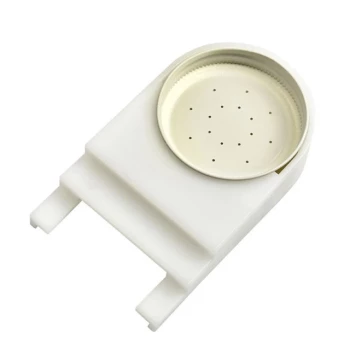
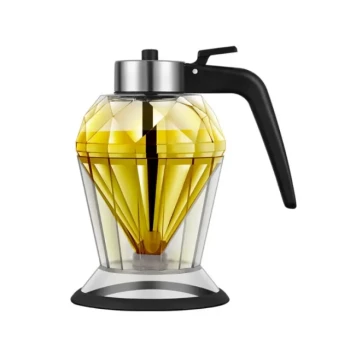
The strategic layout of water supply consumables and auxiliary feeders functions as a defensive perimeter against environmental hazards. By offering easily accessible, contaminant-free nutrition and hydration, you significantly reduce the colony's compulsion to forage on natural resources that may carry sub-lethal doses of neonicotinoids.
While you cannot control the environment outside the hive, providing clean, internal alternatives mitigates risk. This approach safeguards the colony by prioritizing safe consumption over risky foraging, directly preserving the complex cognitive functions required for hive survival.
Reducing Exposure Through Resource Substitution
Creating a Controlled Nutrition Source
The primary mechanism of protection is the provision of pure, uncontaminated inputs. By utilizing auxiliary feeders, you effectively replace a portion of the colony’s diet with a known, safe quantity.
This ensures that the water and carbohydrates the bees consume are free from pesticides like imidacloprid.
Breaking Dependence on Risky Forage
Bees are opportunistic foragers, but they prioritize efficiency. When high-quality water and food are strategically laid out near or within the hive, the biological drive to travel long distances for these resources diminishes.
This reduction in external foraging limits the frequency of contact with treated crops. It acts as a buffer, lowering the overall statistical probability of a forager encountering contaminated nectar or pollen.
Preserving Vital Cognitive Functions
Protecting Homing Behavior
Neonicotinoids are neurotoxins that can disrupt a bee's navigation system even at low doses. Exposure often results in bees becoming disoriented and failing to return to the hive.
By feeding clean resources, you prevent the ingestion of toxins that cause this "homing failure," ensuring the workforce remains intact and efficient.
Safeguarding Communication Mechanisms
The hive relies on the waggle dance to communicate the location of safe food sources. Pesticide exposure impairs the neurological pathways required to perform and interpret this dance correctly.
Providing uncontaminated sources helps maintain the integrity of this communication network. When the bees remain toxin-free, their ability to convey accurate information to the rest of the colony is preserved.
Understanding the Operational Trade-offs
Increased Management Overhead
Implementing a strategic layout of feeders and waterers is not a passive solution. It requires rigorous monitoring to ensure these sources do not run dry or become spoiled.
Reliability is key; if these sources fail, bees will immediately revert to potentially contaminated natural sources.
Balancing Nutrition
While auxiliary feeders provide safety, they must be managed carefully to ensure nutritional balance.
Over-reliance on sugar syrup without appropriate supplements may protect against pesticides but could lead to other nutritional deficits if not monitored by the beekeeper.
Implementing a Defensive Feeding Strategy
To effectively utilize feeders and waterers as a protective measure, align your strategy with your specific environmental risks.
- If your primary focus is Avoiding Pesticide Seasons: Increase the availability of auxiliary feeders during known planting or spraying times to keep bees focused on internal resources.
- If your primary focus is Colony Rehabilitation: Ensure a constant supply of pure water to aid in the metabolism of any incidental toxins the bees may have already encountered.
By controlling the input, you control the outcome, effectively insulating your hive from the chemical volatility of the surrounding landscape.
Summary Table:
| Strategic Element | Protective Function | Impact on Hive Health |
|---|---|---|
| Pure Water Supply | Prevents ingestion of contaminated moisture | Facilitates toxin metabolism and hydration |
| Auxiliary Feeders | Provides safe, pesticide-free nutrition | Reduces foraging on contaminated nectar |
| Internal Placement | Minimizes long-distance foraging trips | Preserves navigation and homing behaviors |
| Strategic Timing | Deploy during peak planting/spraying seasons | Shields the colony during high-risk windows |
Secure Your Apiary’s Future with HONESTBEE
Protecting your colony from environmental hazards requires professional-grade equipment and a reliable supply chain. As a leading partner for commercial apiaries and distributors, HONESTBEE provides the comprehensive wholesale solutions you need to implement a robust defensive strategy.
Our extensive portfolio includes:
- Beekeeping Tools & Machinery: High-efficiency hive-making and honey-filling machines.
- Precision Feeding Systems: Durable auxiliary feeders and water supply consumables designed for safe nutrition.
- Essential Consumables: A wide array of industry-standard supplies for large-scale operations.
- Cultural Merchandise: Unique honey-themed products to expand your market reach.
Whether you are scaling your honey production or stocking a distribution network, our team is dedicated to providing the hardware and support that ensure long-term hive survival and operational success.
Ready to upgrade your commercial beekeeping operations? Contact HONESTBEE today to discuss our wholesale offerings and customized machinery solutions.
References
- Peter Harries‐Jones. Honeybees, Communicative Order, and the Collapse of Ecosystems. DOI: 10.1007/s12304-009-9044-6
This article is also based on technical information from HonestBee Knowledge Base .
Related Products
- 3.5L Plastic Beehive Frame Feeder Deep Frame Water Feeder for In Hive Use
- Rapid Bee Feeder White Plastic 2L Round Top Feeder for 8 or 10-Frame Bee Hives
- HONESTBEE Round Hive Top Bee Feeder for Syrup
- HONESTBEE Entrance Bee Feeder Efficient Hive Front Liquid Feeding Solution for Beekeeping
- Classic Boardman Entrance Bee Feeder Hive Front Feeding Solution
People Also Ask
- What are the technical advantages of using frame feeders for beehives? Maximize Efficiency and Colony Survival
- Can plastic frames be used in any type of beehive? Maximize Your Apiary Efficiency with Durable Solutions
- What are the technical functions and design requirements of plastic feeders? High-Performance Sourcing for Distributors
- What are the advantages of feeding bees inside the hive? Top Benefits for Colony Security and Health
- Are plastic bee hive frames good? A Guide to Modern Durability vs. Natural Appeal