Ant invasions can weaken or even drive a honey bee colony from its hive. Weaver, black, fire, and field ants may enter colonies to steal honey, pollen, or brood, or to use the hive as a warm shelter. Continuous attacks increase colony stress, cause bee mortality, and may trigger absconding, especially when small ants overwhelm the bees through large numbers. The most dependable nonchemical defense is a physical barrier, such as a raised hive stand fitted with grease, water, or oil barriers around each support.
The core principle is simple: stop ants before they reach the hive body. Grease barriers and ant-proof bowls or pans interrupt the climbing route, protecting brood, food stores, and colony stability while reducing reliance on pesticides.
How Ants Disrupt Honey Bee Colonies
Ants Target the Colony’s Main Resources
Ants are attracted to hives by their warmth, food supplies, and shelter. Once inside, they may plunder honey, pollen, and brood, directly reducing the resources available to developing bees and the wider colony.
Brood is particularly vulnerable because larvae cannot escape or defend themselves. Repeated losses can weaken the colony’s ability to maintain its population and recover from further pressure.
Smaller Ants Are Difficult to Remove
Honey bees can sometimes remove individual intruders, but small ant species are difficult to control manually. Their size allows them to exploit gaps, while their high numbers can exceed the colony’s defensive capacity.
This creates a persistent disturbance rather than a single event. Bees must spend more effort defending the hive and less effort on foraging, brood care, and routine colony maintenance.
Severe Attacks Can Cause Absconding
High or continuous ant pressure creates sustained stress inside the hive. In serious cases, weakened colonies may abandon the hive entirely, resulting in the loss of bees, brood, stored honey, and future production.
For commercial apiaries, the impact extends beyond one colony. Repeated invasions can increase inspection, replacement, and maintenance requirements across an entire operation.
Physical Barriers That Protect Hives
Raise Hives Above the Ground
A raised hive stand creates separation between the colony and ground-level ant activity. Each stand leg should be treated as a potential access route and protected with a barrier designed to interrupt climbing ants.
The stand should also remain stable and level. A barrier is only effective when ants cannot bypass it through nearby vegetation, equipment, walls, or other hive components.
Install Ant-Proof Bowls or Pans
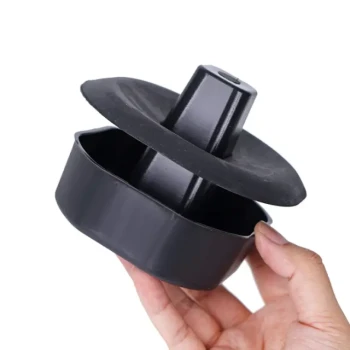
Hive stand ant-proof bowls, also called ant pans or protective cups, are placed beneath or around the hive-support legs. The supports sit inside containers filled with water or oil, creating a liquid moat between the ground and the hive.
This arrangement blocks crawling ants before they reach the hive body. It helps protect bee larvae and honey reserves without applying pesticides directly around the colony.
Apply Grease Barriers
Grease applied around hive stands or designated climbing points creates a sticky, difficult-to-cross surface. This method is useful where a liquid barrier is impractical or where additional protection is needed.
Grease must be applied to the stand or support structure rather than where bees can contact it. It also requires inspection because dust, debris, rain, and repeated ant activity can reduce its effectiveness.
Use Barrier Channels Around Each Leg
For larger apiaries, barrier channels or purpose-built stand systems can provide a consistent protection method across multiple hives. Water- or oil-filled channels create an impassable route around each support.
This type of equipment is particularly suitable for distributors and commercial beekeepers seeking standardized hive-protection products. Consistent dimensions and simple servicing can make stocking, fulfillment, and field replacement more efficient.
Inspect for Bypass Routes
A physical barrier protects only the route it covers. Ants may bypass it by using overhanging branches, tall grass, hive straps, adjacent equipment, or contact between neighboring stands.
Regular inspections should confirm that the hive does not touch surrounding objects and that the barrier remains filled, clean, and correctly positioned.
How Barriers Support Colony Stability
Lower External Disturbance
Physical barriers reduce the number of ants reaching the colony. This lowers the need for bees to defend the hive entrance, comb surfaces, and brood area.
Reduced disturbance helps preserve worker bees for normal activities such as foraging, ventilation, feeding, and brood care.
Protect Honey and Brood Reserves
By blocking access before ants enter, stand barriers protect the colony’s stored food and developing bees. Preserving these resources is important for weak colonies, recovering colonies, and hives approaching periods of limited forage.
The result is not merely pest exclusion. It is better protection of the biological and commercial assets contained within the hive.
Reduce Chemical Dependence
Water, oil, grease, bowls, pans, and barrier channels provide mechanical protection. They can reduce the need to rely on chemical pesticides near the hive, provided the equipment is maintained and the surrounding apiary remains appropriately managed.
Physical barriers should be treated as part of an integrated protection program rather than as a substitute for monitoring colony strength and site conditions.
Understanding the Trade-offs
Liquid Barriers Need Maintenance
Water barriers can evaporate, become contaminated, or lose effectiveness after heavy rain. Oil may last longer, but it still requires inspection and must be used carefully to prevent spills or unintended contact with bees and the environment.
A maintenance schedule should include checking fluid levels, cleaning containers, and confirming that each stand leg remains centered within its barrier.
Grease Can Collect Dirt
Grease barriers are simple and inexpensive, but dust, leaves, and dead insects can create a bridge across the treated surface. Ants may also find an alternative route if the grease is applied unevenly.
Reapplication is necessary when the surface becomes dirty, dry, or visibly compromised.
Poor Installation Can Defeat the System
A barrier that is too shallow, incorrectly positioned, or easily bypassed provides false security. Hive stands should be checked after installation and during routine inspections to confirm that every access point is protected.
The hive must also remain secure during maintenance. Equipment should not be moved in a way that creates a temporary bridge from the ground to the hive.
Barriers Do Not Replace Colony Management
A strong colony may resist limited ant pressure more effectively than a weak one, but physical barriers cannot correct all causes of colony decline. Beekeepers still need to monitor colony strength, hive condition, food stores, and signs of infestation.
Entrance reduction and robbing screens may help smaller colonies defend against robbing bees, but those measures address a different threat. Hornet and wasp protection also requires specialized entrance screens, cages, traps, or related equipment rather than ant barriers alone.
How to Apply This to Your Apiary or Product Program
The best solution depends on the operating environment, colony condition, and scale of the apiary.
- If your primary focus is protecting individual hives: Raise each hive on a stable stand and install a water- or oil-filled ant bowl around every support leg.
- If your primary focus is minimizing routine maintenance: Use purpose-built ant pans or barrier channels with sufficient capacity and a clear inspection schedule.
- If your primary focus is low-cost deployment: Apply grease to suitable hive-stand surfaces and inspect frequently for dirt, weather damage, and bypass routes.
- If your primary focus is protecting weak colonies: Combine ant exclusion with closer monitoring, appropriate entrance management, and rapid correction of any barrier failure.
- If your primary focus is supplying commercial apiaries: Source compatible stands, ant-proof bowls, pans, barrier channels, and replacement components as a coordinated product range to simplify ordering and fulfillment.
- If your primary focus is comprehensive hive protection: Treat ant barriers as one part of a broader equipment program that may also include robbing screens, screened ventilation components, and predator-specific entrance hardware.
Effective hive protection begins by blocking ants at ground level, preserving the colony’s resources, and maintaining reliable barriers throughout the production season.
Summary Table:
| Barrier Type | How It Works | Maintenance & Considerations |
|---|---|---|
| Raised Hive Stand | Elevates hive above ground, creating distance from ant activity | Ensure stability; check for bypass routes via surrounding objects |
| Ant-Proof Bowls/Pans | Creates liquid moat (water/oil) around legs to block crawling ants | Check fluid levels; clean; ensure legs centered |
| Grease Barriers | Sticky surface disrupts ant climbing | Reapply when dirty/dry; inspect for debris |
| Barrier Channels | Purpose-built water/oil channels around legs for large apiaries | Regular servicing; consistent dimensions for efficiency |
Protect your apiary from ant invasions with our premium hive stands, ant-proof bowls, and barrier systems. Ideal for commercial beekeepers and distributors seeking reliable, non-chemical solutions. Enhance colony stability and reduce losses. Contact us today for bulk pricing, expert advice, and fast delivery. Get in touch now!
Related Products
- Metal Hive Feet Bee Hive Stand for Ant Protection
- Professional Ant-Proof Beehive Stand with Integrated Moat for Beekeeping
- Steel Round Disc Entrance Reducer for Flexzion Bee Hive Nuc Box Gate
- 8-Cone Galvanized Steel Bee Robber Guard
- Black Plastic Beetle Barn Hive Beetle Trap for Beehives
People Also Ask
- What are the benefits of elevating a bee hive with a stand or base? Protect Your Colony and Your Back
- How does a beehive stand protect against predators and pests? Essential Strategies for Colony Security
- How should the height of a beehive stand be determined? Find Your Ergonomic Sweet Spot
- What to stand a beehive on? The Best Foundation for a Healthy, Manageable Apiary
- What is the best base for a beehive? Choose the Right Stand for Colony Health