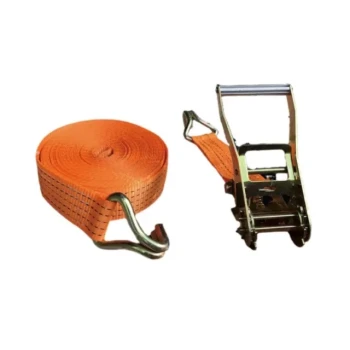
Cam buckle straps operate on a friction-based locking principle. To function, a strap is threaded through a spring-loaded metal buckle that "bites" into the webbing. The mechanism allows the strap to be pulled freely in one direction to tighten, but immediately locks the strap in place if it tries to move in the opposite direction, holding it secure until a release lever is pressed.
Core Takeaway The cam buckle is designed for speed and sensitivity rather than maximum force. By relying on hand-tensioning and a biting cam mechanism, it prevents the over-tightening damage common with ratchets while providing a secure hold for lighter loads.
The Mechanics of the Cam Buckle
The Pinching Principle
The core component of the system is the "cam," a rotating, spring-loaded gate inside the buckle. This gate usually features teeth or knurling on its bottom surface.
Creating Friction
When the strap is stationary, the spring forces the cam down. This pinches the strap between the cam's teeth and the solid base of the buckle frame.
Unidirectional Movement
The geometry of the cam is designed for one-way flow. When you pull the strap to tighten it, the friction lifts the cam slightly, allowing the webbing to slide through easily.
The Self-Locking Effect
As soon as you stop pulling, the spring pushes the cam back down. Any tension from the load pulling back against the strap only serves to pull the cam down tighter, digging the teeth deeper into the fabric.
Operational Steps
Feeding the Strap
To begin, you depress the thumb release lever. This opens the gap between the cam and the base plate. While holding the lever down, you thread the free end of the webbing through the bottom of the buckle mechanism.
Applying Tension
Once the strap is threaded, release the lever. To secure your cargo, you simply pull the free end of the strap. Because there are no gears or cranks, the maximum tension is limited to how hard you can pull with your hand.
Releasing the Load
To loosen the strap, you must manually break the friction lock. Pressing the thumb lever down rotates the cam away from the webbing, removing the "bite" and allowing the strap to slide freely in either direction.
Understanding the Trade-offs
Limited Working Load
Because these straps rely on a friction pinch rather than a mechanical gear lock, they generally have lower Working Load Limits (WLL) than ratchet straps. They are not suitable for extremely heavy loads like vehicles or heavy machinery.
Lack of Mechanical Advantage
You cannot "crank" a cam buckle to generate high tension. This is a safety feature for fragile goods, but a drawback if you need to compress a load significantly.
Security Reliance on Spring Tension
The mechanism relies entirely on the spring and the teeth maintaining contact. If the teeth become worn or the spring fails, the strap can slip under load.
Making the Right Choice for Your Cargo
When deciding between a cam buckle and other tie-down methods, consider the nature of your load.
- If your primary focus is fragile or crushable cargo: Choose a cam buckle to prevent over-tightening that could damage items like kayaks, coolers, or antiques.
- If your primary focus is heavy machinery or vehicles: Avoid cam buckles and opt for ratchet straps to ensure higher load limits and mechanical locking.
- If your primary focus is speed of access: Use cam buckles for quick-release applications where gear needs to be accessed and restowed frequently.
The cam buckle is the ideal tool when you need a secure hold without the risk of crushing force.
Summary Table:
| Feature | Cam Buckle Straps | Ratchet Straps |
|---|---|---|
| Mechanism | Spring-loaded friction cam | Mechanical gear and pawl |
| Tensioning | Hand-pull (limited) | Mechanical crank (high) |
| Best Use Case | Fragile goods, kayaks, quick setup | Heavy machinery, vehicles |
| Risk Level | Low risk of over-tightening | High risk of crushing loads |
| Speed | Extremely fast release | Slower, multi-step release |
Elevate Your Inventory with HONESTBEE Beekeeping Gear
At HONESTBEE, we understand that transporting fragile equipment like honey-filling machines or handcrafted wooden hives requires the right tools. Whether you are a commercial apiary or a wholesale distributor, we provide a full spectrum of high-quality beekeeping machinery, tools, and consumables designed for durability and ease of use.
Why partner with HONESTBEE?
- Comprehensive Wholesale Range: From specialized hive-making hardware to honey-themed cultural merchandise.
- Tailored Solutions: We cater specifically to the needs of the beekeeping industry.
- Expert Support: Let us help you select the best securing and transport equipment for your professional apiary operations.
Contact our team today to discuss your wholesale needs!
Related Products
- Professional Galvanized Hive Strap with Secure Locking Buckle for Beekeeping
- Heavy-Duty Nylon Beehive Hive Strap with Stainless Steel Cinch Buckle
- High Security Emlock Strap System
- Versatile Ratchet Hive Strap with S-Hooks for Secure Fastening
- Heavy Duty Ratchet Hive Strap
People Also Ask
- What is a good way to store hive straps to keep them organized? Master the Art of Tangle-Free Hive Transport
- What are the two main styles of hive straps? Choosing Between Cam Buckles and Ratchet Mechanisms for Your Apiary
- What role do standardized beehive fastening and protective consumables play? Secure Colonies Against Natural Disasters
- What maintenance do hive straps require? Keep Your Hives Secure with Simple Care Tips
- What is the best choice for hive straps? Ratchet vs. Cam Buckle for Your Apiary