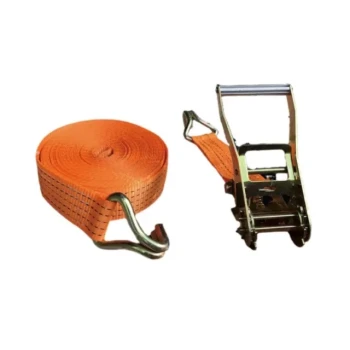
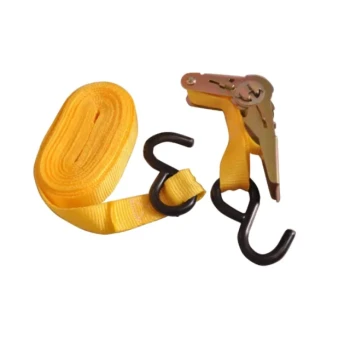
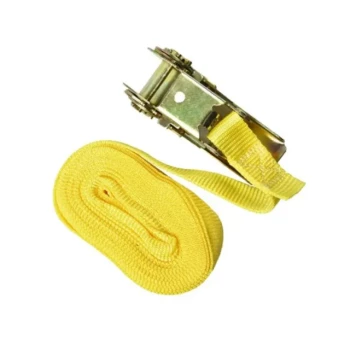
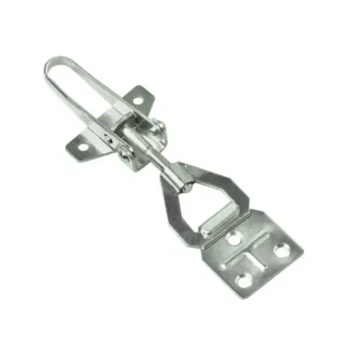
To correctly install a ratchet strap on a beehive, begin by running the free end of the strap down underneath the hive structure and then bringing it up over the top cover. The ratchet mechanism must be positioned on the vertical side of the hive, specifically below the top edge, and oriented so that it faces downward.
Proper strap orientation is not just about security; it is essential for equipment longevity. Positioning the ratchet mechanism to face downward allows moisture to drain naturally, preventing the device from freezing solid in cold or wet conditions.
The Installation Protocol
Threading the Strap
Unlike cam buckle straps, which often thread from the bottom up, a ratchet strap requires a specific directionality.
Start by feeding the free end of the strap down under the hive stand or bottom board. Bring the strap up the other side and over the top cover to meet the ratchet mechanism.
Positioning the Mechanism
The metal ratchet mechanism should never sit on top of the hive cover. Instead, position it on the vertical side of the hive boxes.
Ideally, place it below the top cover but high enough to be easily accessible. This placement allows you to apply necessary tension without damaging the hive roof.
Orientation for Weather Protection
The most critical detail for long-term reliability is the orientation of the ratchet itself. Ensure the mechanism faces downward.
This orientation utilizes gravity to drain rain, snow melt, or condensation away from the moving parts. If water is allowed to pool inside the mechanism, it can lead to rust or mechanical seizure.
Preventing Cold Weather Failure
The Freezing Risk
Beehives remain outdoors through all seasons, exposing hardware to extreme elements.
A ratchet mechanism facing upward acts as a cup, collecting water. In winter, this trapped water will freeze, rendering the strap impossible to loosen without tools or heat.
Ensuring Winter Access
By installing the ratchet facing downward, you ensure the mechanism remains functional year-round.
This allows you to perform emergency checks or adjustments during cold snaps without battling a frozen lock.
Common Pitfalls to Avoid
Confusing Strap Types
A frequent error is applying cam strap techniques to ratchet straps. The primary reference notes that ratchet installation is the opposite of cam strap installation.
Do not thread the ratchet strap upwards into the buckle as you might with a cam strap; always run it down under the hive first.
Top-Mounting the Ratchet
Placing the heavy metal ratchet on the top cover is a mistake.
It concentrates pressure on the roof, potentially causing warping or leaks. Furthermore, tightening a ratchet on top provides poor leverage compared to tightening it on the side.
Making the Right Choice for Your Goal
- If your primary focus is winterizing: Ensure the ratchet faces downward on the side to prevent the mechanism from freezing shut.
- If your primary focus is stability: Run the strap completely under the hive stand to secure the boxes to the base, not just to each other.
- If your primary focus is equipment longevity: Avoid top-mounting the ratchet to protect your telescoping cover from pressure damage and water pooling.
Correct installation today ensures your hive remains secure and accessible, regardless of the weather conditions tomorrow.
Summary Table:
| Step | Action | Key Benefit |
|---|---|---|
| Threading | Feed strap under the hive, then over the top | Ensures the entire stack is anchored to the base |
| Placement | Position ratchet on the vertical side of the box | Prevents damage to the roof and improves leverage |
| Orientation | Face the ratchet mechanism downward | Allows drainage to prevent rust and winter freezing |
| Tensioning | Tighten after ensuring strap is flat | Prevents slippage during hive transport or high winds |
Secure Your Apiary with HONESTBEE Quality
At HONESTBEE, we understand that professional beekeepers need hardware that stands up to the elements. Whether you are a commercial apiary managing thousands of colonies or a distributor looking for reliable stock, we provide the full spectrum of beekeeping tools and machinery designed for durability.
From heavy-duty ratchet straps and specialized hive-making machines to honey-filling equipment and cultural merchandise, our comprehensive wholesale offering is built to support your growth and efficiency.
Ready to upgrade your equipment? Contact us today to discuss our wholesale pricing and how our specialized solutions can benefit your business!
Related Products
- Heavy Duty Ratchet Hive Strap
- Heavy-Duty Nylon Beehive Hive Strap with Stainless Steel Cinch Buckle
- Professional Galvanized Hive Strap with Secure Locking Buckle for Beekeeping
- Versatile Ratchet Hive Strap with S-Hooks for Secure Fastening
- High Security Emlock Strap System
People Also Ask
- Why is the use of ratchet straps or high-strength ropes necessary for hive protection? Secure Your Colony Now
- What are the two styles of hive straps? Choose the Right Strap for Your Hive Security
- What maintenance do hive straps require? Keep Your Hives Secure with Simple Care Tips
- How should hive straps be stored? Prevent Tangles & Extend Strap Life
- What is the best choice for hive straps? Ratchet vs. Cam Buckle for Your Apiary