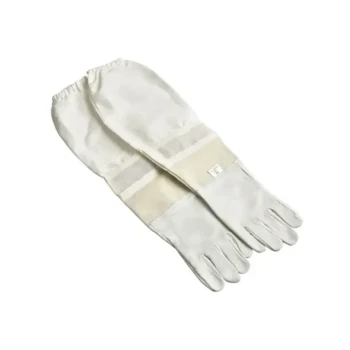
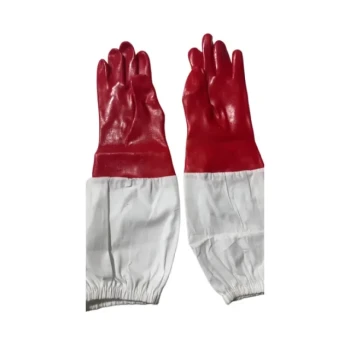
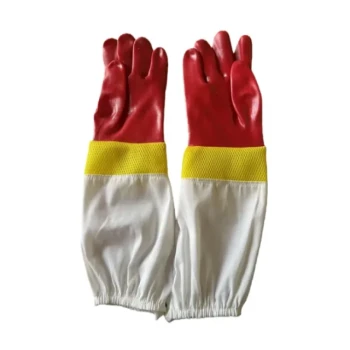
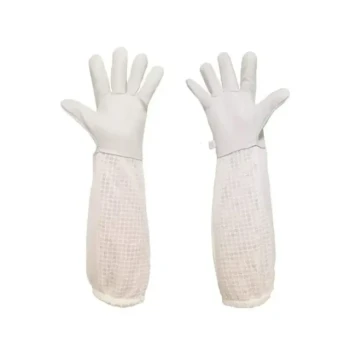
Durable leather gauntlet gloves give beekeepers stronger sting protection, greater arm coverage, and longer service life than thinner glove materials. Their heavy-duty construction withstands repeated hive handling, while the extended gauntlet protects the lower arms from aggressive bees and rough woodenware. Although thinner gloves offer better tactile sensitivity, they can tear quickly during intensive work across multiple colonies.
For commercial beekeeping, leather gauntlet gloves provide a practical balance of protection and durability. By reducing sting-related pain, numbness, and interruptions, they help beekeepers maintain dexterity and work more efficiently.
Why Leather Gauntlet Gloves Perform Better in Demanding Apiaries
They resist tearing during repeated hive work
Hive management involves lifting frames, moving boxes, scraping propolis, and handling rough wooden components. Thin gloves may provide flexibility, but they can wear through or tear quickly under these conditions.
Durable leather is better suited to repeated, heavy-duty use. This makes it a more reliable option for beekeepers managing multiple colonies or working through long maintenance cycles.
They protect more than the hands
The extended gauntlet covers the wrist and lower arm, areas that shorter gloves may leave exposed. This added coverage is especially valuable when bees enter sleeves or when arms contact hive equipment during inspections.
For commercial users, broader protection can reduce interruptions and help workers maintain a consistent workflow.
They provide stronger protection against stings
Leather offers a substantial barrier between bees and the skin. It is not an absolute guarantee against stings, particularly where fabric is pressed tightly against the skin, but it generally provides more protection than very thin alternatives.
This distinction matters when working with defensive colonies or during disruptive hive procedures.
How Better Protection Supports Beekeeping Productivity
Stings can reduce dexterity
Repeated stings cause pain and may contribute to swelling or numbness in the hands. These effects can make it harder to grip tools, manipulate frames, or perform precise hive work.
Reduced dexterity also increases the risk of dropping frames or mishandling equipment, creating avoidable delays and disturbance within the colony.
Durable gloves reduce replacement frequency
Gloves that tear rapidly create recurring replacement costs and potential work stoppages. Leather gauntlet gloves are designed for more demanding use, helping operations get greater value from each pair.
For distributors and resellers, this durability is a clear product benefit for customers who prioritize dependable equipment over the lowest initial purchase price.
They support consistent operations across colonies
A beekeeper working across several colonies needs protective equipment that remains dependable throughout the day. Durable gloves reduce the likelihood that a damaged pair will interrupt inspections or maintenance.
This reliability is particularly relevant for commercial apiaries, beekeeping contractors, and professional users purchasing through wholesale channels.
Where Thin Alternatives Still Have an Advantage
They offer greater tactile sensitivity
Thin gloves allow beekeepers to feel frames, tools, and small components more precisely. This can be useful for delicate tasks that require maximum touch sensitivity.
However, that advantage comes with a durability compromise when the gloves are exposed to heavy handling, rough surfaces, or repeated hive work.
They may suit lighter-duty tasks
Thinner materials can be appropriate for brief inspections, low-risk colonies, or experienced beekeepers who prioritize hand feel. Their suitability depends on the work intensity, colony temperament, and required level of protection.
They are less compelling when gloves must withstand frequent commercial use across multiple colonies.
Understanding the Trade-offs
Leather is not the most flexible option
Heavy-duty leather can feel stiffer than thin glove materials, particularly when new. This may reduce fine tactile feedback and require an adjustment period.
The trade-off is greater resistance to wear, better coverage, and a stronger protective barrier during demanding work.
Protection depends on correct fit and use
Even durable gloves cannot replace careful handling, suitable protective clothing, and sound hive-management practices. A poor fit can create gaps, restrict movement, or press material tightly against the skin.
Distributors should help customers select appropriate sizes and explain that protective gloves reduce risk rather than eliminate it.
Product selection must match the buyer’s application
Not every beekeeper needs the same level of protection. Hobbyists may value sensitivity and flexibility, while commercial operators generally place greater importance on longevity, coverage, and uninterrupted work.
A broad product portfolio allows suppliers to serve both segments without presenting one glove type as universally superior.
Making the Right Choice for Your Goal
Choose the glove type according to the intensity of the work, the level of sting exposure, and the importance of long-term durability.
- If your primary focus is maximum durability: Choose heavy-duty leather gauntlet gloves for repeated hive handling, multiple-colony operations, and rough working conditions.
- If your primary focus is maximum tactile sensitivity: Consider thinner alternatives for lighter-duty inspections and tasks requiring precise touch.
- If your primary focus is commercial productivity: Prioritize leather gauntlet gloves that reduce tears, interruptions, and sting-related loss of dexterity.
- If your primary focus is distribution value: Source a complete range of protective gloves so customers can match material, coverage, and performance to their beekeeping application.
The right leather gauntlet glove helps beekeepers work with greater confidence, fewer interruptions, and more dependable long-term protection.
Summary Table:
| Aspect | Leather Gauntlet Gloves | Thinner Alternatives |
|---|---|---|
| Sting Protection | High barrier, reduces sting pain and interruptions | Lower, stings can penetrate more easily |
| Arm Coverage | Extended gauntlet protects wrists and lower arms | Short cuffs leave areas exposed |
| Durability | Resists tearing during heavy use, longer lifespan | Tears quickly with intensive work |
| Tactile Sensitivity | Reduced, stiffer feel | Enhanced, better hand feel |
| Best For | Commercial apiaries, heavy-duty tasks | Light-duty inspections, hobbyists |
Equip your operation with top-tier leather gauntlet gloves and a full range of beekeeping supplies from HONESTBEE. As a one-stop wholesale partner, we provide durable equipment, rapid delivery, and dedicated support to keep your apiary productive. Contact us today to discuss bulk pricing, OEM/ODM options, and reliable supply for your business.
Related Products
- Goatskin Leather Beekeeper Gloves with Vent Long Sleeve for Beekeeping Honey Bee Sting Proof Protection
- Goat Skin Leather Bee Sting Proof Beekeeping Gloves with Canvas Sleeve
- Beekeeping Gloves Goatskin Leather with Long Cotton Sleeve for Beekeepers
- Heavy Duty Red Rubber Beekeeping Gloves with Extended Pure Cotton Sleeves for Beekeepers
- Heavy Duty Red Rubber Beekeeping Gloves with Vented Mesh Cotton Sleeves
People Also Ask
- What are the characteristics of goatskin beekeeping gloves? Enhance Dexterity and Protection in Your Apiary
- Why is it important to have gloves available even if not always worn? Essential Risk Management for Beekeepers
- What are the primary purposes of using beekeeping gloves? Protect Your Hands and Ensure Apiary Hygiene
- Why do some experienced beekeepers opt not to wear gloves? Discover the Benefits of Tactile Precision
- Why is it important for beekeepers to wear gloves? Essential Safety and Confidence for Hive Management