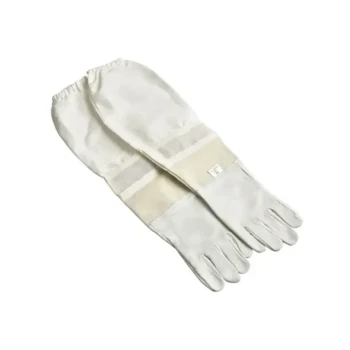
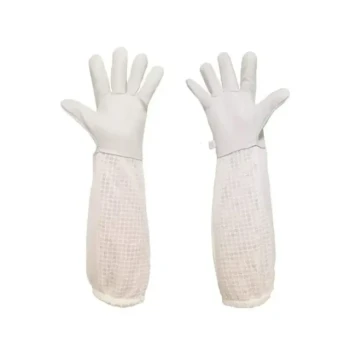
Goatskin beekeeping gloves are defined by their supple texture and reduced thickness compared to traditional cowhide. These characteristics prioritize dexterity and tactile sensitivity, allowing beekeepers to manipulate frames and equipment with precision while maintaining a necessary barrier against stings.
The Core Takeaway Goatskin gloves are the "precision instrument" of apiary protection. They offer a critical balance: they are thin enough to let you handle delicate hive components gently, yet durable enough to prevent stings—provided you verify the leather quality is sufficient.
The Performance Advantage
Superior Dexterity
The primary characteristic of goatskin is its pliability. Unlike stiffer leathers, goatskin allows your fingers to move freely.
This flexibility is essential for the intricate tasks of beekeeping. It allows you to lift frames or grasp queen cages without the clumsiness often associated with heavy-duty safety gear.
Enhanced Tactile Sensitivity
Because goatskin is thinner than cowhide, it preserves your sense of touch.
This sensitivity is a safety feature for the bees. It helps you avoid accidentally crushing bees while moving boxes, which in turn reduces the release of alarm pheromones that can agitate the colony.
Protective Construction
Stinger Resistance
Despite being thin, high-quality goatskin is designed to be impenetrable to bee stingers.
However, the primary imperative when selecting these gloves is verification. You must ensure the specific grade of leather is thick enough to stop a sting, as ultra-thin fashion grades will not suffice.
The Gauntlet Design
Like most apiary gloves, goatskin models typically feature a long sleeve or gauntlet that extends to the elbow.
This section is often secured by an elastic band. This design creates a seal over or under your bee suit sleeves, preventing bees from crawling into the gap between your wrist and the suit.
Understanding the Trade-offs
Goatskin vs. Cowhide
While goatskin offers superior movement, it provides slightly less protection than cowhide.
Cowhide is thicker and tougher. If you are dealing with particularly aggressive genetics or are highly allergic and require maximum shielding, the thinner profile of goatskin may feel less secure.
Durability Considerations
The suppleness of goatskin comes at the cost of ruggedness.
Thinner leather may wear down faster under heavy use compared to thicker alternatives. It requires careful maintenance to ensure the material does not crack or thin out over time, which would compromise its protective qualities.
Making the Right Choice for Your Goal
To select the best equipment for your apiary, assess your specific priorities:
- If your primary focus is precision and gentleness: Choose goatskin gloves, as the enhanced dexterity allows for smoother hive inspections and fewer crushed bees.
- If your primary focus is maximum protection: Consider cowhide gloves, which offer a thicker barrier against stings at the cost of reduced finger mobility.
- If your primary focus is comfort in high heat: Look for ventilated goatskin gloves, which combine the dexterity of leather fingers with a mesh wrist for airflow, though this adds a potential weak point for stings.
Select the glove that allows you to work confidently without losing the ability to feel the work you are doing.
Summary Table:
| Feature | Goatskin Gloves | Cowhide Gloves |
|---|---|---|
| Material Texture | Supple and pliable | Thick and stiff |
| Dexterity | High - ideal for delicate tasks | Moderate - focuses on ruggedness |
| Tactile Sensitivity | Excellent - prevents crushing bees | Lower - reduced sense of touch |
| Sting Protection | Good (with high-grade leather) | Maximum protection |
| Best Used For | Precise hive inspections | Managing aggressive colonies |
Scale Your Beekeeping Business with HONESTBEE
Are you looking to supply your customers with the perfect balance of precision and protection? HONESTBEE specializes in catering to commercial apiaries and distributors by offering a comprehensive wholesale range of high-quality beekeeping equipment. From the supple dexterity of our premium goatskin gloves to advanced honey-filling machines and specialized hive-making hardware, we provide the tools you need to succeed at scale.
Why Partner with Us?
- Comprehensive Inventory: One-stop shop for tools, machinery, and industry consumables.
- Wholesale Expertise: Tailored solutions for distributors and large-scale operations.
- Cultural Merchandise: Unique honey-themed products to diversify your portfolio.
Ready to elevate your inventory with industry-leading gear? Contact HONESTBEE today to explore our wholesale opportunities and see how we can add value to your business!
Related Products
- Goatskin Leather Beekeeper Gloves with Vent Long Sleeve for Beekeeping Honey Bee Sting Proof Protection
- Goat Skin Leather Bee Sting Proof Beekeeping Gloves with Canvas Sleeve
- Beekeeping Gloves Goatskin Leather with Long Cotton Sleeve for Beekeepers
- Premium Ventilated Goatskin Beekeeping Gloves with Full 3-Layer Mesh Sleeve
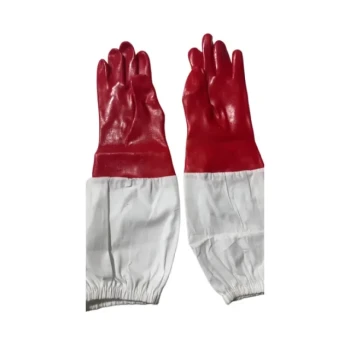
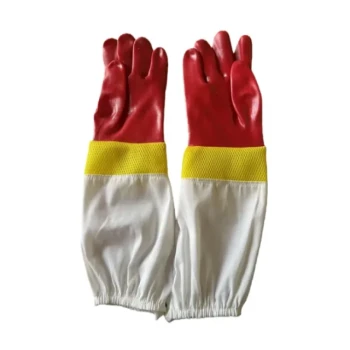
- Heavy Duty Red Rubber Beekeeping Gloves with Extended Pure Cotton Sleeves for Beekeepers
People Also Ask
- Why is it important to have gloves available even if not always worn? Essential Risk Management for Beekeepers
- What are the primary purposes of using beekeeping gloves? Protect Your Hands and Ensure Apiary Hygiene
- Why do some experienced beekeepers opt not to wear gloves? Discover the Benefits of Tactile Precision
- Why is it important for beekeepers to wear gloves? Essential Safety and Confidence for Hive Management
- What types of gloves are used in beekeeping for hand protection? Choose the Best Gear for Safety and Dexterity