Experienced beekeepers often forego gloves to prioritize manual dexterity and sensitivity over physical protection. By working with bare hands or very light coverings, they achieve greater tactile feedback, allowing them to handle equipment with precision and significantly reduce the likelihood of accidentally crushing bees.
While gloves provide a physical barrier against stings, they often inhibit the "touch and finesse" required for advanced hive inspection. The decision to remove them is a strategic move to improve handling mechanics and maintain a calmer colony.
The Functional Advantages of Bare Hands
Enhanced Dexterity and Control
Thick beekeeping gloves can act as a barrier to movement, making hands feel clumsy. Beekeepers who remove them gain the fine motor control necessary to manipulate frames and tools smoothly. This precision is critical when prying apart propolis-sealed components without jarring the hive.
Preventing Bee Mortality
The primary technical reason for discarding gloves is to minimize harm to the colony. Bulky gloves make it difficult to feel if a bee is trapped under a finger or a frame edge. Bare hands allow the beekeeper to feel the bees, ensuring they are not crushed during inspection, which preserves the colony's population and health.
The Sensory Feedback Loop
Tactile Sensitivity
Beekeeping is not just visual; it requires a high degree of tactile awareness. Experienced practitioners rely on tactile feedback to gauge the pressure they are applying to the hive. This sensitivity allows for a gentler approach that is nearly impossible to achieve when hands are heavily insulated.
Managing Colony Temperament
There is a widely held belief among experts that bees react more calmly to bare hands than to the texture of gloves. Because bare hands permit gentler handling, the colony is less likely to become agitated. Avoiding crushed bees also prevents the release of alarm pheromones, which can trigger a defensive aggression response in the rest of the hive.
Understanding the Trade-offs
The Risk of Stings
The most obvious downside to working without gloves is exposure. Beekeepers who choose this method accept that stings to the hand are a possibility, but they generally consider this a manageable risk compared to the danger of stings to the head or face. They rely on their read of the bees' behavior rather than armor to avoid injury.
The Factor of Confidence
For beginners, the fear of being stung can result in nervousness and shaky movement, which agitates bees. In these scenarios, the "peace of mind" provided by gloves is valuable. A confident beekeeper in gloves is often safer for the bees than a terrified beekeeper with bare hands.
Hygiene and Sticky Substances
Gloves serve a secondary purpose: protection against hive debris. Hives contain propolis, a resinous and extremely sticky substance that can stain skin and is difficult to remove. Working bare-handed requires a willingness to deal with this cleanup post-inspection.
Making the Right Choice for Your Goal
Deciding whether to wear gloves depends largely on your experience level and current objectives.
- If your primary focus is learning the basics: Wear gloves to reduce nervousness and build the confidence required to work calmly around the bees.
- If your primary focus is precision and hive health: Consider transitioning to bare hands to increase your dexterity and reduce the number of bees crushed during inspections.
Ultimately, the best protective gear is your own ability to remain calm and handle the hive with deliberate, gentle movements.
Summary Table:
| Factor | Wearing Gloves | Working Bare-Handed |
|---|---|---|
| Manual Dexterity | Limited (Bulky materials) | Maximum (High precision) |
| Bee Safety | Higher risk of crushing bees | Lower risk due to tactile feel |
| Sting Protection | Full physical barrier | Minimal (Relies on handling) |
| Tactile Feedback | Minimal | Exceptional sensitivity |
| Colony Temperament | Potential alarm pheromones | Generally calmer response |
| Cleanliness | Protects from propolis | Hands get sticky/resinous |
Elevate Your Apiary Operations with HONESTBEE
Whether you prioritize the protection of heavy-duty gear or the precision of specialized tools, HONESTBEE is your strategic partner in professional beekeeping. We provide commercial apiaries and distributors with a comprehensive wholesale range, including:
- Precision Machinery: Advanced honey-filling and hive-making machines.
- Quality Equipment: Durable beekeeping tools designed for both protection and dexterity.
- Essential Consumables: A full spectrum of industry supplies to keep your colonies thriving.
- Cultural Merchandise: Unique honey-themed products to expand your brand's reach.
Ready to scale your business with premium supplies and expert support? Contact HONESTBEE today to explore our wholesale offerings and discover how we can streamline your production from hive to market.
Related Products
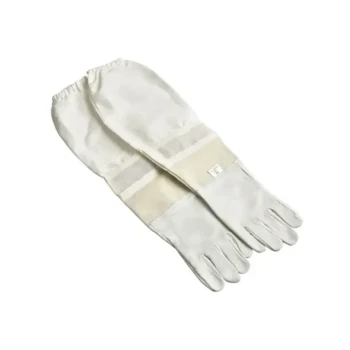
- Beekeeping Gloves Goatskin Leather with Long Cotton Sleeve for Beekeepers
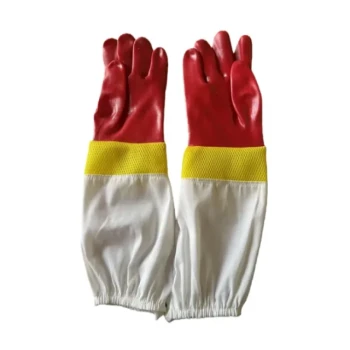
- Heavy Duty Red Rubber Beekeeping Gloves with Vented Mesh Cotton Sleeves
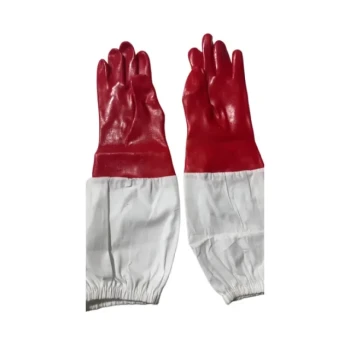
- Heavy Duty Red Rubber Beekeeping Gloves with Extended Pure Cotton Sleeves for Beekeepers
- Goatskin Leather Beekeeper Gloves with Vent Long Sleeve for Beekeeping Honey Bee Sting Proof Protection
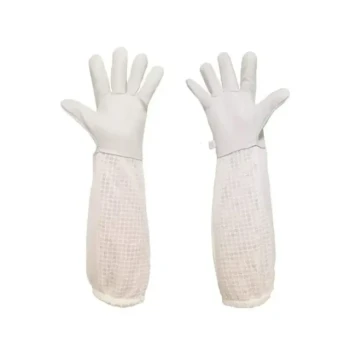
- Premium Ventilated Goatskin Beekeeping Gloves with Full 3-Layer Mesh Sleeve
People Also Ask
- What are the characteristics of the best gloves for beekeeping? Choose Protection & Dexterity
- What are the primary purposes of using beekeeping gloves? Protect Your Hands and Ensure Apiary Hygiene
- What types of gloves are available for beekeeping? Choose the Right Protection for Your Hive
- Why is it important for beekeepers to wear gloves? Essential Safety and Confidence for Hive Management
- What types of gloves are used in beekeeping for hand protection? Choose the Best Gear for Safety and Dexterity