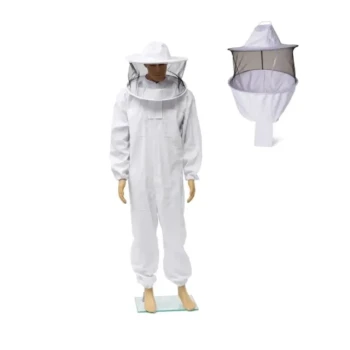
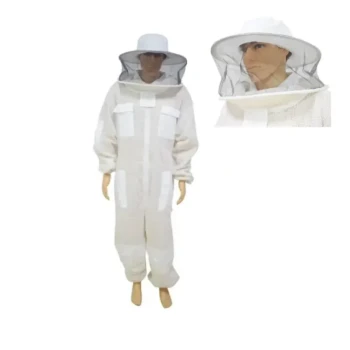
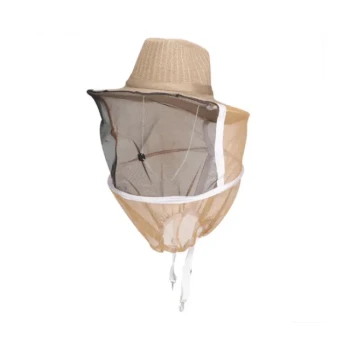
Fabric quality and fit are the primary determinants of whether a sting reaches your skin. High-quality fabric acts as a physical barrier that resists penetration, while a proper fit maintains a critical air gap between the material and your body so that even if a stinger pierces the fabric, it cannot reach you.
The core principle of sting prevention is maintaining a buffer zone. A suit relies on material thickness to blunt the stinger and a loose—but sealed—fit to prevent the fabric from pressing against your skin.
The Mechanics of Material Failure
The Single-Layer Vulnerability
Fabric thickness is your first line of defense. Single-layer full bee suits are generally not considered sting-proof. A bee's stinger can easily penetrate thin materials, delivering venom directly through the cloth.
Stitching and Structural Integrity
Low-quality suits often compromise on construction. Poor stitching creates weak points that can unravel under stress. If a seam fails while you are working, it creates an immediate entry point for bees.
Why Fit is a Safety Feature
The Danger of Contact Points
A suit that fits too tightly negates the protection of the fabric. When fabric is stretched tight against your skin, it removes the necessary "air gap." In this state, a stinger that penetrates the fabric will immediately puncture your skin.
Managing Movement and Gaps
Sizing is not just about comfort; it is about coverage during motion. Bending or reaching can cause sleeves to ride up or the back to tighten. Features like thumb loops are essential to keep sleeves locked in place, ensuring your wrists remain covered.
Adjustable Seals
While a loose fit is necessary for the air gap, it must be controlled. A suit that is too loose creates dangerous openings. Adjustable features like Velcro straps allow you to seal the extremities (wrists and ankles) to prevent bees from crawling inside.
Understanding the Trade-offs
Protection vs. Mobility
There is an inherent trade-off between fabric weight and user comfort. Heavier fabrics provide a denser shield against stings but can be cumbersome, leading to faster fatigue. Lighter materials offer greater freedom of movement but may offer less resistance to a dedicated sting.
Heat Management
Thick, sting-proof fabrics often trap body heat. While this offers maximum safety from bees, it introduces the risk of overheating. Ventilation and breathable materials are critical for regulating body temperature, especially during long inspections in hot weather.
Making the Right Choice for Your Goal
To select the most effective suit, assess your specific environment and risk tolerance:
- If your primary focus is maximum safety: Prioritize a suit with heavy, multi-layered fabric and a generous fit to ensure the material never touches your skin.
- If your primary focus is working in high heat: Choose a suit with specialized ventilation or lighter weight fabric, but be vigilant about using sizing guides to ensure a loose fit acts as your buffer.
The most effective suit is one that balances a impenetrable material with a fit that stays secure, yet suspended away from your body.
Summary Table:
| Feature | Impact on Safety | Key Consideration |
|---|---|---|
| Fabric Quality | Primary physical barrier | Single-layer is vulnerable; high-density resists penetration. |
| Stitching | Structural integrity | Double-stitched seams prevent entry points during movement. |
| Fit (Air Gap) | Prevents skin contact | A loose fit ensures stingers don't reach the skin surface. |
| Seals & Loops | Gap management | Velcro straps and thumb loops keep gear secure and bees out. |
| Ventilation | Heat regulation | Breathable materials prevent fatigue and overheating in high heat. |
Scale Your Apiary Operations with HONESTBEE Quality
At HONESTBEE, we understand that for commercial apiaries and distributors, equipment reliability is non-negotiable. We offer a comprehensive wholesale range of professional-grade beekeeping suits, honey-filling machines, and specialized hardware designed to withstand the rigors of industrial use.
Why partner with us?
- Wholesale Excellence: Full spectrum of tools and consumables for large-scale operations.
- Industrial Strength: Durable gear designed for maximum sting protection and long-term durability.
- Complete Portfolio: From hive-making machinery to honey-themed cultural merchandise.
Equip your team or stock your shelves with the industry's most trusted gear. Contact us today to discuss your wholesale needs!
Related Products
- Premium Cotton Beekeeper Suit with Reinforced Fencing Veil
- Professional Cotton Beekeeper Suit with Round Veil Design for Commercial Apiaries
- Professional Beekeeper Suit with Square Folding Cotton Veil
- White Cotton Beekeeping Jacket and Veil for Bee Keepers
- Vented Beekeeping Jacket with Hood and Veil for Beekeepers
People Also Ask
- What material and design specifications are recommended for a high-quality beekeeper suit? Top Gear Selection Guide
- How to Pre-treat Propolis Stains on Beekeeping Suits? Master Advanced Fabric Care and Soil Removal
- What features should be considered for sting protection in a beekeeping suit? Ensure Total Safety and Comfort
- What are the differences between full suits and jackets with veils in beekeeping? Choose Your Best Protection
- What features should be looked for in a beekeeping suit for maximum comfort? Prioritize Ventilation and Fit