Modern honey processing relies on the synergy of high-precision filtration and automated filling to bridge the gap between raw apiary output and retail-ready excellence. These systems work in tandem to remove physical impurities, prevent crystallization, and eliminate microbial risks through closed-loop automation. By ensuring every jar meets exact weight specifications and hygiene standards, this technology provides the consistency and safety that global distributors and wholesalers require for large-scale commercial circulation.
High-precision machinery secures the economic value of honey by preserving its natural enzymes and flavor while shielding the product from environmental contamination. This technological foundation allows for a standardized, shelf-stable supply chain that minimizes waste and maximizes consumer trust.
The Filtration Process: Protecting Clarity and Stability
Multi-Stage Screening for Impurity Removal
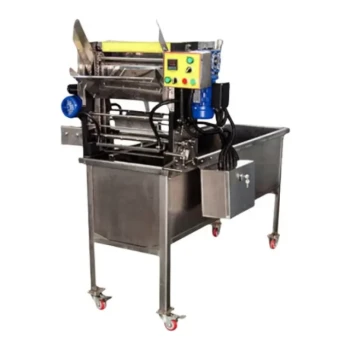
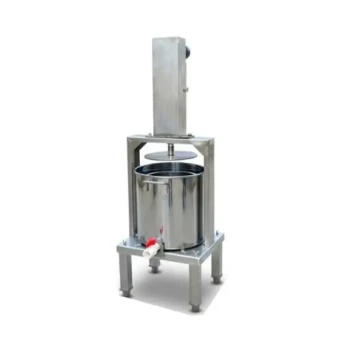
High-precision filtration utilizes multi-stage screening to meticulously remove physical contaminants such as wax fragments, bee parts, and foreign debris. This process is critical for achieving the color clarity and visual appeal demanded by the premium retail market.
Controlling Crystallization Nuclei
By filtering out tiny particles that act as "seeds" for crystallization, these systems ensure the honey remains in a liquid state for longer periods. This significantly extends shelf-stable storage, reducing the risk of product returns for distributors due to premature solidification.
Maintaining Nutritional Integrity
Unlike crude processing, high-precision equipment is designed to remove unwanted particulates while preserving natural enzymes and volatile components. This ensures that the final product retains the unique nutritional profile and flavor characteristics of specific bee species and floral sources.
Automated Filling: Precision, Hygiene, and Efficiency
Eliminating Secondary Contamination
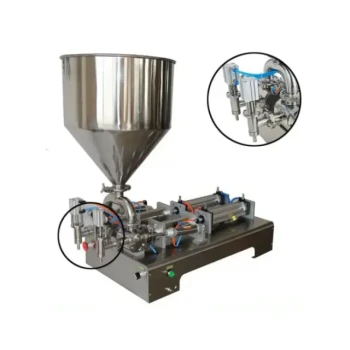
Automated filling machines utilize non-contact technology and fully enclosed piping systems to minimize human interaction with the product. This creates a sterile environment that prevents secondary microbial contamination, ensuring the honey remains safe and compliant with international food safety regulations.
Ensuring Dosage and Weight Accuracy
Advanced metering control and flow systems address the challenges of varying honey viscosity to ensure every unit has a uniform net weight. For wholesalers, this precision is vital for meeting strict commercial labeling standards and avoiding legal or financial discrepancies in large orders.
Hermetic Sealing and Moisture Control
Automated systems provide hermetic sealing, which prevents honey from absorbing moisture from the air during the packaging phase. Controlling moisture levels is the single most important factor in preventing fermentation and maintaining the honey’s sensory characteristics over time.
Understanding the Trade-offs and Challenges
The Complexity of High-Viscosity Handling
While automation provides precision, the varying viscosity of different honey types (such as Manuka vs. Clover) requires sophisticated, adjustable flow controls. Equipment that is not properly calibrated for specific honey densities can lead to air bubbles or drippage, which may compromise seal integrity.
Maintenance and Sanitation Requirements
To maintain a "zero-contamination" environment, these machines require rigorous cleaning-in-place (CIP) protocols. Any lapse in the maintenance of automated sensors or sterile seals can lead to batch-wide inconsistencies, highlighting the need for professional technical oversight.
Leveraging Advanced Machinery for Market Success
Reliable honey processing is the cornerstone of a resilient supply chain, ensuring that every batch delivered is as safe as it is consistent.
- If your primary focus is brand reputation: Prioritize high-precision filtration to ensure long-term clarity and a premium visual profile that resists crystallization on the shelf.
- If your primary focus is operational scale: Invest in fully automated filling lines with non-contact technology to maximize throughput while minimizing labor costs and contamination risks.
- If your primary focus is regulatory compliance: Ensure your processing partners utilize closed-loop systems and precise metering to guarantee net weight accuracy and meet global hygiene standards.
By integrating these high-precision technologies, you transform raw honey into a standardized, high-value asset ready for the global stage.
Summary Table:
| Process Component | Key Function | Benefit for Distributors & Wholesalers |
|---|---|---|
| Multi-stage Filtration | Removes wax, debris, and impurities | Enhances visual clarity and premium market appeal |
| Crystallization Control | Filters out microscopic seed particles | Extends shelf-stable storage and reduces returns |
| Closed-loop Filling | Non-contact, sterile environment | Eliminates contamination and ensures food safety |
| Precise Metering | Advanced flow and weight control | Guarantees label accuracy and regulatory compliance |
| Hermetic Sealing | Moisture-proof packaging | Prevents fermentation and preserves natural flavor |
Scale Your Honey Business with HONESTBEE’s Professional Solutions
Ready to elevate your production standards and secure your supply chain? HONESTBEE specializes in empowering commercial apiaries and B2B distributors with a comprehensive one-source offering. From high-precision honey-filling and hive-making machines to essential industry consumables and unique honey-themed merchandise, we provide the tools you need to maximize profit margins and ensure product reliability.
Why Partner with HONESTBEE?
- Full-Spectrum Portfolio: One-stop sourcing for all beekeeping hardware and equipment.
- Deep Industry Expertise: Professional guidance to ensure your products meet global hygiene standards.
- Efficient Fulfillment: Rapid response times and ultra-fast delivery to keep your operations running.
- B2B Focused: Specialized support for OEM/ODM requirements and large-scale wholesale orders.
Contact HONESTBEE Today to Enhance Your Processing Efficiency
References
- Burcu Sönmez, Hasan Özcan. An Analysis of the Decline in Bee Populations and Its Effects on Pollination. DOI: 10.51458/bstd.2025.48
This article is also based on technical information from HonestBee Knowledge Base .
Related Products
- Fully Automatic Honey Filling Packaging Machine for Processing Line
- Automatic Honey Filling and Filtering Machine for Beekeeping Bottle Filling
- Precision Durable Efficient HONESTBEE Rotary Honey Filling Machine
- Semi Automatic Small Honey Bottle Filling Machine Honey Filler
- Precision Automated Packaging Turntable Honey Spoon Filling Sealing Packing Machine
People Also Ask
- Why are fully automatic honey filling and packaging lines essential? Boost Your Honey's Market Value and Quality
- What is a fully-automatic honey filler? Streamline Your Production with High-Precision Automation
- How do automated honey filling and packaging machines affect profitability? Boost Margins with HONESTBEE Technology
- How do automated honey filling and packaging machines contribute to the market value of honey products? Maximize Your ROI
- How do industrial-grade automated honey filling and packaging machines mitigate the risk of physical contamination?