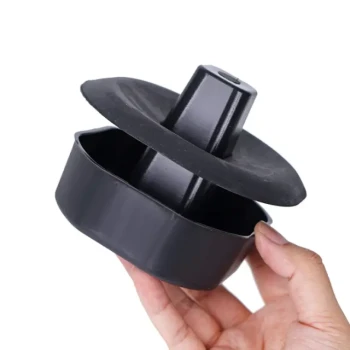
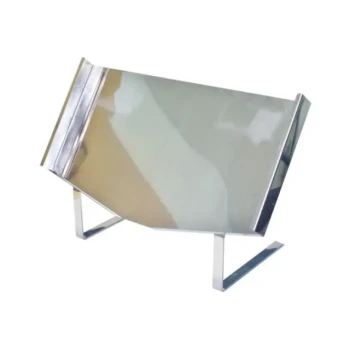
The protection mechanism relies on simple physics: creating an impassable moat around the hive's legs. By placing the hive's support pillars into cups filled with water or oil, you interrupt the physical path that crawling predators like ants use to access the colony. Since these insects cannot cross the liquid surface, the stand effectively isolates the hive from the ground, preventing the theft of honey and destruction of larvae.
Core Takeaway Hive stands with liquid reservoirs provide a passive, continuous defense system known as mechanical isolation. They effectively quarantine the hive from ground-based threats without the use of chemical pesticides, making them critical infrastructure for supporting weak or recovering colonies.
The Mechanics of Liquid Isolation
Creating the Barrier
The primary function of these stands is to create a physical liquid barrier.
The cups are integrated into the base of the hive's support pillars. When filled with oil or water, they form a perimeter that crawling insects cannot breach.
Preventing Resource Theft
Predators such as ants are driven by the scent of honey and brood.
Once a path is established, these pests can quickly overwhelm a hive. The liquid barrier breaks the scent trail and physically blocks access, preserving the colony's honey stores.
Protecting the Brood
Beyond honey theft, crawling predators often target the most vulnerable members of the colony: the larvae.
By stopping predators at the ground level, the stand ensures the safety of the developing brood, which is essential for the future population of the hive.
Strategic Application for Colony Health
Supporting Weak Colonies
A strong colony can often defend its entrance, but a weak colony is easily overrun.
The primary reference highlights that these stands are essential for safeguarding weak or newly split colonies. These hives lack the population numbers to mount an effective defense against a mass invasion of ants.
Reducing Defensive Stress
By handling ground threats mechanically, the stand allows the colony to redirect its workforce.
Guard bees that would otherwise be fighting off ants can focus on foraging or defending against flying threats.
Additional Benefits of Elevation
Deterring Small Mammals
While the cups handle insects, the stand itself provides necessary elevation.
Raising the hive prevents small animals, such as skunks, from easily reaching the hive entrance. If a skunk cannot reach the landing board while standing on the ground, it cannot scratch at the entrance to eat the defending bees.
Enhancing Pest Barriers
Elevation offers more surface area and options for creating additional pest barriers if needed.
It moves the hive away from the dampness and immediate ecosystem of the soil, providing a cleaner environment for the bees.
Understanding the Trade-offs
Maintenance is Mandatory
This is not a "set and forget" solution.
Water evaporates quickly in hot weather, and oil can become bridged by debris or dead insects. If the liquid dries up or a debris bridge forms, the protection fails immediately.
Limited Protection Scope
Liquid cups strictly prevent crawling predators.
They offer no protection against flying threats like wasps, hornets, or birds. As noted in the supplementary data, threats like hornets require different tools, such as precision entrance restrictors or physical nets.
Material Integrity
The quality of the stand matters.
Low-quality materials may crack under the weight of a full hive, causing the liquid cups to leak. You must ensure the stand uses high-strength materials to maintain the seal and stability.
Making the Right Choice for Your Goal
- If your primary focus is ant prevention: Fill the cups with vegetable oil rather than water, as it does not evaporate and creates a more difficult surface for insects to cross.
- If your primary focus is mammal defense: Ensure the stand elevates the entrance high enough that a skunk on its hind legs cannot reach the landing board.
- If your primary focus is a weak colony: Combine the hive stand with an entrance reducer to concentrate the guard bees' defense against airborne threats while the stand handles the ground threats.
By mechanically isolating the hive from the ground, you provide a passive shield that allows your bees to focus on growth rather than survival.
Summary Table:
| Feature | Mechanism | Primary Target | Maintenance Requirement |
|---|---|---|---|
| Liquid Cups | Mechanical Isolation (Moat) | Ants & Crawling Insects | Refill liquid & clear debris bridges |
| Elevation | Physical Distance | Skunks & Small Mammals | Ensure structural stability & height |
| Passive Defense | Continuous Barrier | Resource/Honey Thieves | Periodic inspection of cup integrity |
| Oil vs. Water | Viscosity/Evaporation | Invasive Pests | Oil is preferred for low evaporation |
Elevate Your Apiary Safety with HONESTBEE
Protecting your colony starts with the right infrastructure. HONESTBEE specializes in supporting commercial apiaries and distributors with high-strength beekeeping equipment designed to withstand the rigors of the field. From advanced hive stands to precision machinery and hive-making tools, we provide the wholesale solutions you need to scale your operations and safeguard your honey production.
Maximize your hive's health and efficiency—Contact us today to explore our full spectrum of professional beekeeping supplies!
References
- Ghanshyam KC, Kapil Kafle. PRODUCTION AND MANAGEMENT OF HONEY BEE IN DANG DISTRICT OF NEPAL. DOI: 10.26480/faer.02.2021.101.106
This article is also based on technical information from HonestBee Knowledge Base .
Related Products
- Plastic Bee Hive Stand for Beekeeping
- Metal Bee Hive Stand Bee Box Stand for Beekeeping
- Professional Ant-Proof Beehive Stand with Integrated Moat for Beekeeping
- Metal Hive Feet Bee Hive Stand for Ant Protection
- Portable Uncapping Tank Holder Uncapping Bench for Beekeeping
People Also Ask
- What are the benefits of elevating a bee hive with a stand or base? Protect Your Colony and Your Back
- What are the essential technical specifications for a high-quality bee hive stand? Maximize Stability and Hive Safety
- What are the potential risks of plastic bee hive stands? Avoid Structural Failure in Your Apiary
- What height should a bee hive stand be? Optimize for Your Back and Hive Health
- Why are specialized beehive stands or protective barriers necessary for pest management in apiaries? Secure Your Colony