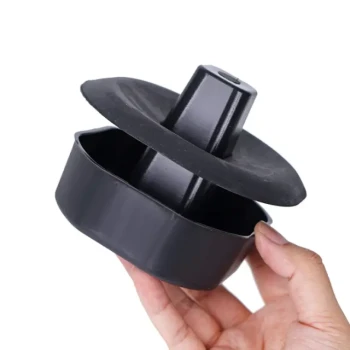
The most critical risk associated with plastic or PVC bee hive stands is the potential for catastrophic structural failure driven by environmental exposure. While they may appear functional initially, plastic materials inevitably become brittle when subjected to long-term UV radiation and the constant, heavy vertical pressure of a full hive, eventually causing the stand to shatter and the colony to fall.
The core issue with plastic stands is material degradation. Unlike wood or steel, plastic loses its structural integrity under sunlight, turning a simple support mechanism into a liability that can lead to the sudden collapse of your apiary.
The Mechanics of Material Failure
UV-Induced Brittleness
Plastic and PVC are highly susceptible to degradation from sunlight. Over time, UV rays break down the chemical bonds in the material, changing it from flexible and strong to hard and brittle.
The Pressure of Weight
A productive beehive is incredibly heavy. When you combine this constant downward pressure with UV-compromised plastic, the stand can snap without warning.
Bulk Without Strength
Despite often being bulky in design, plastic stands rarely offer the strength-to-weight ratio of traditional materials. This bulk does not translate to durability, leading to a false sense of security regarding the stand's load-bearing capacity.
Understanding the Trade-offs: Plastic vs. Traditional Materials
Durability Comparison
The primary reference highlights that wood or steel are generally preferred for professional management. Steel offers permanence, while wood provides a customizable balance of strength and cost that plastic cannot match.
Load-Bearing Limitations
In wooden stand construction, even standard 2x4 lumber is often considered insufficient for stringers (support beams) because it may bow. Professional advice recommends 2x6 or 2x8 lumber to handle the weight; plastic stands rarely achieve the rigidity of these heavier lumber dimensions.
Environmental Resistance
While users might choose plastic to avoid rot, this is often a misguided trade-off. Pressure-treated wood provides excellent rot resistance and is safe for use as a stand base, as the chemicals do not interact with the bees at that level.
Ground Contact
Regardless of material, direct ground contact is an issue. Just as wooden legs should be placed on bricks or pavers to prevent moisture wicking, plastic stands require a stable, leveled base to prevent uneven stress that accelerates cracking.
Making the Right Choice for Your Apiary
To ensure the safety of your colonies, select your stand material based on your long-term goals.
- If your primary focus is longevity and safety: Choose steel or pressure-treated wood, as these materials resist the brittleness that causes plastic to fail.
- If your primary focus is building a multi-hive stand: Utilize 2x6 or 2x8 lumber for your cross-beams (stringers) to prevent bowing under the collective weight of the hives.
- If your primary focus is preventing rot: Rely on pressure-treated lumber placed on pavers or bricks rather than resorting to plastic, which trades rot resistance for structural weakness.
The stability of your hive is only as good as the foundation it rests on; choose materials that withstand the elements, not just the insects.
Summary Table:
| Feature | Plastic/PVC Stands | Wooden (2x6/2x8) Stands | Steel Stands |
|---|---|---|---|
| UV Resistance | Poor (Becomes brittle) | High | Excellent |
| Load Capacity | Low (Risk of snapping) | High (Support heavy hives) | Very High |
| Durability | Short-term | Long-term (Treated wood) | Permanent |
| Failure Mode | Sudden shattering | Gradual bowing | Minimal deformation |
| Best Use | Temporary/Lightweight | Professional Apiaries | Commercial/Heavy-duty |
Secure Your Apiary's Future with HONESTBEE
Don't let inferior foundations risk your colony's safety. At HONESTBEE, we provide commercial apiaries and distributors with the professional-grade tools and machinery needed for long-term success. From heavy-duty hardware and hive-making machines to a full spectrum of beekeeping consumables, our wholesale offerings are designed to withstand the rigors of large-scale beekeeping.
Ready to upgrade your equipment? Contact us today to access durable solutions and expert industry support for your beekeeping business.
Related Products
- Metal Bee Hive Stand Bee Box Stand for Beekeeping
- Metal Hive Feet Bee Hive Stand for Ant Protection
- Plastic Bee Hive Stand for Beekeeping
- Professional Ant-Proof Beehive Stand with Integrated Moat for Beekeeping
- Wooden Bee Hive Frames for Beekeeping and Wholesale
People Also Ask
- What are the essential technical specifications for a high-quality bee hive stand? Maximize Stability and Hive Safety
- What height should a bee hive stand be? Optimize for Your Back and Hive Health
- What are the benefits of elevating a bee hive with a stand or base? Protect Your Colony and Your Back
- Why are specialized beehive stands or protective barriers necessary for pest management in apiaries? Secure Your Colony
- How do professional metal bee hive stands compare to other stand materials? Unlock Superior Load Capacity and Stability