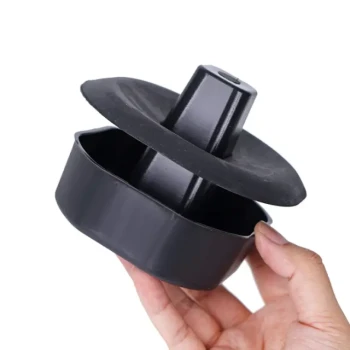
Physical isolation serves as the primary defensive perimeter for an apiary. Specialized beehive stands and protective barriers are necessary because they create a mechanical separation between the hive and ground-dwelling threats. By physically elevating the colony and obstructing access, these structures prevent predators such as ants and honey badgers from breaching the hive, thereby reducing colony mortality and protecting production capacity.
While internal hive health often relies on biological or chemical management, protection against external predators relies on structural engineering. Implementing physical barriers is the most effective method to secure the colony's environment against ground-based attacks without disrupting the bees' daily activities.
The Mechanics of Physical Exclusion
Elevating the Colony
The most immediate function of a specialized stand is to lift the hive off the ground.
This creates a vertical gap that is difficult for non-flying predators to bridge. By removing the hive from the soil surface, you eliminate direct access for ground-dwelling pests like ants and larger predators such as honey badgers.
Creating a Controlled Entry
Barriers force predators to navigate specific, defendable chokepoints.
When a hive is placed directly on the ground, predators can approach from any angle. A stand reduces the points of entry to the stand's legs, which can be easily treated with sticky barriers or oil traps to stop insects like ants from climbing up.
Securing the Internal Environment
The concept of a "barrier" also extends to the hive's construction itself.
Modern Langstroth beehive designs utilize standardized components to ensure a tight seal between hive bodies. This minimizes physical gaps that could serve as entry points for smaller opportunistic pests, such as spiders and termites, securing the internal survival space of the colony.
The Role of Precision in Pest Management
Eliminating Structural Gaps
The effectiveness of a physical barrier depends heavily on the quality of the hive's manufacturing.
Specialized hive-making machinery ensures that components like bottom boards and supers have highly uniform dimensions. Without this industrial-grade precision, mismatched parts create gaps that small pests can exploit to bypass the bees' defenses.
Standardization as Defense
Standardized equipment allows for the seamless interchangeability of parts.
If a hive component is damaged by pests or rot, it can be immediately replaced with a perfectly fitting spare. This capability ensures that the structural integrity of the hive—and its ability to exclude pests—is maintained consistently across the entire apiary.
Understanding the Trade-offs
Initial Infrastructure Costs
Implementing specialized stands and high-precision barriers requires a higher upfront investment compared to placing hives on improvised supports (like cinder blocks or pallets).
Apiary managers must budget for these capital costs during the construction phase. However, this cost is generally offset by the reduction in colony loss and the lowered labor cost of fighting established infestations.
Maintenance Requirements
Physical barriers are not "set and forget" solutions.
Stands can sink into soft soil over time, reducing their height and effectiveness. Furthermore, vegetation growing under the stand can create "bridges" for ants to bypass the legs. Regular maintenance is required to ensure the physical isolation remains compromised.
Making the Right Choice for Your Apiary
When selecting protective infrastructure, align your hardware with your specific environmental threats.
- If your primary focus is large predators (e.g., Honey Badgers): Prioritize heavy-duty, elevated stands that are mechanically anchored to prevent tipping or crushing.
- If your primary focus is small insects (e.g., Ants/Termites): Focus on stands with narrow legs that accommodate oil/grease traps and ensure your hive bodies utilize precision-milled components to eliminate gaps.
Investing in structural defense is an investment in the stability of your production levels.
Summary Table:
| Feature | Purpose | Impact on Pest Management |
|---|---|---|
| Vertical Elevation | Lifts hive off soil | Prevents ground-dwelling predators from direct access |
| Oil/Sticky Traps | Applied to stand legs | Creates a chokepoint to stop ants and termites |
| Precision Milling | Tight seals between supers | Eliminates structural gaps that small pests exploit |
| Heavy-duty Anchoring | Stabilizes elevated stands | Protects against tipping/crushing by large predators |
Maximize Your Apiary’s Defense with HONESTBEE
Protect your investment and ensure long-term production stability with industrial-grade beekeeping infrastructure. HONESTBEE provides commercial apiaries and distributors with high-precision hive-making machinery and specialized hardware designed to eliminate structural gaps and exclude pests.
From durable hive stands to advanced honey-filling machines and essential consumables, our comprehensive wholesale portfolio is built for professionals.
Ready to upgrade your apiary’s structural integrity? Contact our expert team today to discover how our equipment and merchandise can benefit your commercial operations!
References
- Md Akter Faruk Fuad. Potentials and Prospects of Beekeeping Entrepreneurship in Dinajpur Region: A Participatory Analysis. DOI: 10.19080/artoaj.2019.21.556178
This article is also based on technical information from HonestBee Knowledge Base .
Related Products
- Metal Bee Hive Stand Bee Box Stand for Beekeeping
- Plastic Bee Hive Stand for Beekeeping
- Metal Hive Feet Bee Hive Stand for Ant Protection
- Professional Ant-Proof Beehive Stand with Integrated Moat for Beekeeping
- Wooden Bee Hive Frames for Beekeeping and Wholesale
People Also Ask
- What are the potential risks of plastic bee hive stands? Avoid Structural Failure in Your Apiary
- What height should a bee hive stand be? Optimize for Your Back and Hive Health
- What are the essential technical specifications for a high-quality bee hive stand? Maximize Stability and Hive Safety
- What are the benefits of elevating a bee hive with a stand or base? Protect Your Colony and Your Back
- How do professional metal bee hive stands compare to other stand materials? Unlock Superior Load Capacity and Stability