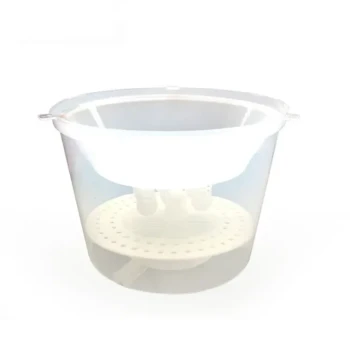
Mechanical in-hive traps function by turning the Small Hive Beetle's (SHB) survival instincts against them. These devices simulate the dark, narrow crevices beetles naturally seek to escape harassment from guard bees. Once the beetles flee into these artificial "safe havens," they are neutralized—typically by drowning in a reservoir of oil or becoming physically entangled—without introducing chemical pesticides to the hive environment.
Core Insight: Mechanical traps are not "lures" in the traditional sense; they are refuge traps. They rely on the pressure exerted by the bees chasing the beetles to force the pests into a containment zone that offers no exit, serving as both a population suppressant and a diagnostic tool.
The Principle of Behavioral Exploitation
Leveraging Evasion Tactics
Small Hive Beetles possess a natural instinct to flee when harassed by worker bees. Mechanical traps exploit this by offering an accessible hiding spot that appears safer than the open comb surfaces.
The Preference for Darkness
Beetles are photophobic (light-avoiding) and gravitate toward dark, tight spaces. In-hive traps are designed to replicate these specific physical cavities, tricking the beetle into entering a confined space to avoid light and aggression.
Types of Capture Mechanisms
Liquid Reservoirs (Oil Traps)
The most common mechanical traps function as drowning pools. They are specialized containers filled with mineral oil, vegetable oil, or vinegar that act as a killing medium.
Selective Exclusion Apertures
Crucially, these oil traps feature apertures (openings) engineered with precise dimensions. These slots are large enough to allow beetles to enter but too narrow for honeybees to pass through, ensuring the trap targets pests without endangering the colony workforce.
Fibrous Entanglement
Some mechanical controls utilize specialized fibrous materials or unscented dryer sheets placed on top of frames. As bees clean and shred this material, it creates a fine, net-like mesh that snags the hooks on the beetles' legs, immobilizing them until they die or are removed.
Physical Barriers and Baffles
Entrance control devices exploit the size difference between bees and beetles. By reducing the hive entrance to a specific width, these barriers create a defensive checkpoint that allows bees to pass while physically blocking larger adult beetles from entering the hive core.
Strategic Placement and Utility
Interception Zones
Traps are strategically placed between hive frames or on the bottom board. These are high-traffic areas for beetles scurrying away from bees, maximizing the probability of interception.
Dual-Purpose Functionality
Beyond killing beetles, these traps serve as vital data collection tools. By counting the number of beetles caught, beekeepers can accurately assess infestation levels and decide if further intervention is required.
Understanding the Trade-offs
Maintenance Requirements
Liquid traps require regular monitoring to ensure they remain effective. They can become filled with debris or propolis, and care must be taken to prevent oil from spilling onto the comb during hive inspections.
Suppression vs. Eradication
While effective at reducing adult beetle density, mechanical traps are primarily a management tool rather than a cure. They significantly lower the population but may not completely eradicate a severe infestation without supplementary measures.
Making the Right Choice for Your Goal
Mechanical traps are a cornerstone of Integrated Pest Management (IPM). To use them effectively, align your choice with your specific management objective:
- If your primary focus is routine monitoring: Use oil-filled traps between frames to gauge beetle density during standard inspections.
- If your primary focus is chemical-free suppression: Implement a combination of bottom-board oil traps and fibrous sheets to maximize physical removal without pesticide risk.
- If your primary focus is prevention: Install entrance baffles to physically exclude new beetles from infiltrating the colony during migration seasons.
Effective control relies on consistency; keep traps clean and positioned correctly to maintain a steady defensive pressure against the beetle population.
Summary Table:
| Trap Component | Function/Mechanism | Targeted Benefit |
|---|---|---|
| Apertures | Precise narrow slots | Allows beetles in, prevents bee entry |
| Oil Reservoir | Liquid drowning medium | Neutralizes pests without chemical pesticides |
| Fibrous Sheets | Physical entanglement | Immobilizes beetles via leg hooks |
| Placement | Frame/Bottom board location | Intercepts beetles in high-traffic escape zones |
| Entrance Baffles | Physical exclusion | Prevents adult beetles from entering the hive core |
Maximize Your Colony Productivity with HONESTBEE Professional Solutions
Don't let Small Hive Beetles compromise your honey yield or colony health. HONESTBEE specializes in supporting commercial apiaries and global distributors with a comprehensive range of high-performance beekeeping machinery and tools.
Whether you need precision-engineered hive-making machines, efficient honey-filling systems, or bulk industrial consumables, we provide the hardware and expertise to scale your operations. From protecting your bees to processing your harvest, our wholesale solutions are designed for reliability and efficiency.
Partner with HONESTBEE today to secure the future of your apiary.
Contact Our Wholesale Experts Now
References
- Jamie Ellis, William H. Kern. Florida Beekeeping Management Calendar. DOI: 10.32473/edis-in848-2018
This article is also based on technical information from HonestBee Knowledge Base .
Related Products
- Reusable Aluminium Beetle Trap for Small Hive Beetles Silver Bullet
- Removable Washable Hive Beetle Trap Attractants for Small Hive Beetles
- Reusable Clear Small Hive Beetle Traps for Beehives Beetle Trapping Tools
- Black Plastic Beetle Barn Hive Beetle Trap for Beehives
- Plastic Beetle Blaster Trap Beekeeping Tools and Supplies
People Also Ask
- How should powdered substances be used in beetle traps for hive beetle control? Expert Guide for Maximum Colony Protection
- Why are beetle traps less effective during winter? Seasonal Shifts in Pest Control Explained
- When is the best time to use small hive beetle traps in cold climates? Protect Your Honeybee Winter Stores Now
- When and how should disposable traps for small hive beetles be removed? Master Hive Hygiene and Efficiency
- How do small hive beetle traps contribute to colony management? Enhance Diagnostic Accuracy and Protect Hive Health